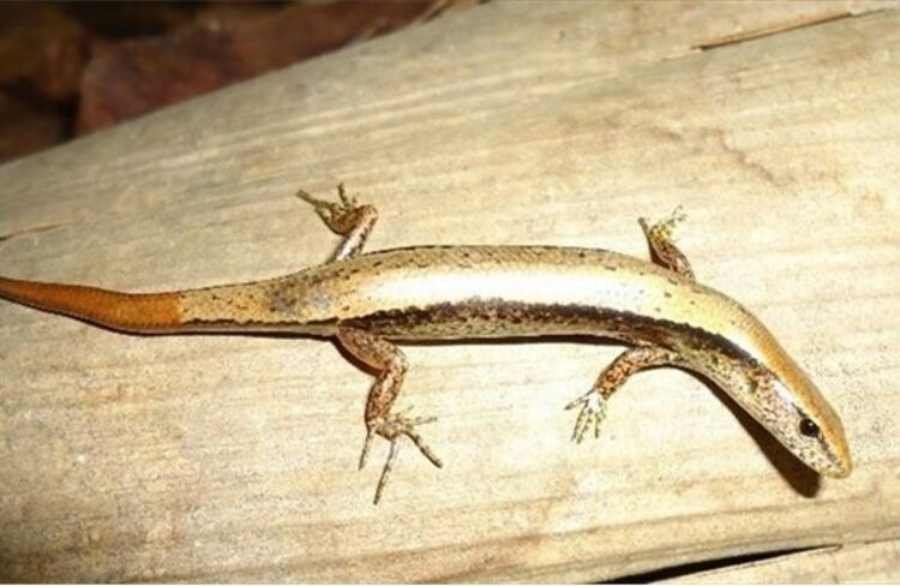
Lizards spiritually symbolize transformation, regeneration, adaptability, survival, intuition, awareness, renewal, letting go, patience, protection, and spiritual growth. Their ability to survive in changing environments, react quickly to threats, and regenerate a lost tail in certain species has made lizards powerful symbols of resilience and personal change. Seeing one can therefore serve as a symbolic reminder to adapt, release what no longer serves you, or pay closer attention to changes taking place in your life.
The spiritual meaning of a lizard encounter depends on its context. A lizard crossing your path may represent a different message from one appearing inside your house, while repeatedly seeing lizards can draw attention to a recurring theme in your personal or spiritual life. The lizard’s behavior, location, color, and your circumstances can all shape how you interpret the encounter.
However, seeing a lizard does not automatically mean that you have received a supernatural message. Lizard symbolism comes from spiritual traditions, cultural beliefs, observations of the animal’s characteristics, and personal interpretation. Understanding these distinctions helps you explore the 11 spiritual meanings of lizards without treating symbolic interpretations as universal predictions.
What Do Lizards Mean Spiritually?
Lizards spiritually represent transformation, regeneration, adaptability, survival, intuition, awareness, and renewal. These meanings are closely connected to characteristics associated with lizards, including their ability to respond rapidly to threats, survive across different environments, and, in certain species, detach and regenerate their tails. In spiritual symbolism, these characteristics become metaphors for responding to change, recovering after loss, and adjusting when circumstances no longer support an old way of living.
A lizard can also symbolize the importance of awareness and instinct. Lizards depend on sensitivity to their surroundings to detect threats and opportunities, so a lizard encounter can be interpreted as a reminder to observe what is happening before taking action. For someone facing a major decision, for example, the symbolism may point toward assessing the environment carefully rather than responding impulsively.
The meaning is not fixed for every encounter. Seeing a lizard during a period of personal change may resonate with transformation, while encountering one after a setback may be interpreted through regeneration or resilience. Spiritual traditions and personal beliefs also influence these interpretations. For this reason, lizard symbolism works best as a framework for reflection rather than as a prediction of a specific future event.
What Are the 11 Spiritual Meanings of Lizards?
There are 11 main spiritual meanings associated with lizards: transformation, regeneration, adaptability, survival, intuition, awareness, renewal, letting go, patience, protection, and spiritual growth. These meanings overlap because several come from the same observable characteristics of lizards, but each represents a different aspect of personal or spiritual experience.
1. Transformation. Lizards can symbolize transformation because survival often requires them to respond to changing conditions rather than remain dependent on one environment or behavior. Spiritually, transformation refers to moving from an existing state into a new one, such as changing a habit, identity, relationship, or direction in life. Seeing a lizard during a major transition can therefore be interpreted as a symbolic prompt to accept necessary change instead of holding tightly to familiar circumstances.
2. Regeneration. Regeneration is one of the most recognizable meanings associated with lizards because certain lizard species can regenerate a lost tail. The replacement is not an exact recreation of the original structure, which makes the symbolism especially relevant to recovery: rebuilding does not necessarily mean returning to exactly what existed before. In a spiritual context, a lizard can represent recovering after loss, disappointment, or disruption while developing a new way to move forward.
3. Adaptability. Lizards symbolize adaptability through their ability to adjust their behavior to environmental conditions and threats. Spiritually, adaptability means changing your approach when circumstances change without abandoning your essential goals. A lizard encounter may resonate with this meaning when an existing strategy no longer works. For example, a person experiencing a career change might interpret the lizard as a reminder that progress sometimes requires a different method rather than continued reliance on an outdated plan.
4. Survival. Survival symbolism focuses on persistence and self-preservation. Lizards use behaviors such as hiding, rapid escape, camouflage, and tail shedding in response to danger, depending on the species. These defensive strategies create a symbolic connection with resilience. Spiritually, seeing a lizard during a difficult period may represent the need to protect your energy, prioritize essential needs, and continue moving through circumstances that cannot be immediately changed.
5. Intuition. Lizards can represent intuition because they rely heavily on sensory information and instinctive responses to navigate their surroundings. In spiritual interpretation, intuition refers to recognizing information that may not yet have been fully processed through deliberate reasoning. The symbolism does not mean every instinct should automatically be followed. Instead, a lizard encounter can serve as a reminder to notice internal reactions alongside observable facts when evaluating a person, situation, or decision.
6. Awareness. Awareness differs from intuition because it emphasizes conscious observation of what is happening around you. Lizards remain responsive to movement, predators, temperature, and other environmental conditions. Symbolically, this vigilance can represent the need to pay closer attention to circumstances that have been overlooked. For example, repeatedly noticing problems in a relationship or workplace may require careful examination rather than continued avoidance.
7. Renewal. Lizards can symbolize renewal because recovery and adaptation create opportunities for a new phase to begin. Renewal differs from regeneration: regeneration emphasizes rebuilding after damage or loss, while renewal emphasizes beginning again with changed conditions, priorities, or energy. A lizard appearing during the end of one life stage may therefore be interpreted as a symbol of preparing for what comes next rather than attempting to preserve a chapter that has already ended.
8. Letting go. Letting go is symbolically connected with the ability of certain lizards to shed their tails when threatened, a defense mechanism known as autotomy. The detached tail can distract a predator while the lizard escapes. Spiritually, this characteristic creates a strong metaphor for releasing something when keeping it creates a greater cost. The thing being released might be an unhealthy attachment, an outdated belief, resentment, or a commitment that prevents further growth.
9. Patience. Lizards can represent patience because effective survival does not always require immediate action. A lizard may remain still while observing its environment or waiting for an opportunity to move or feed. Within spiritual symbolism, patience means recognizing when deliberate waiting is more useful than forced action. Seeing a still lizard can therefore be interpreted as a reminder to gather information and choose the right moment instead of acting simply to escape uncertainty.
10. Protection. Protection is connected with the defensive behaviors lizards use to preserve themselves from threats. Depending on the species, these defenses include camouflage, hiding, rapid movement, defensive displays, and tail shedding. Spiritually, protection is less about expecting an external force to remove every danger and more about recognizing boundaries and protecting what matters. A lizard encounter may encourage reflection on where stronger emotional, personal, or practical boundaries are needed.
11. Spiritual growth. Spiritual growth brings several lizard meanings together, particularly transformation, adaptation, renewal, awareness, and letting go. Growth requires both developing new qualities and releasing patterns that prevent change. In this interpretation, the lizard symbolizes an ongoing process rather than a single dramatic event. Someone moving through a period of self-reflection, changing beliefs, or greater self-awareness may use lizard symbolism as a reminder that meaningful growth involves adjusting, learning, releasing, and rebuilding over time.
The 11 meanings are therefore not separate predictions about what will happen after seeing a lizard. They provide different symbolic lenses for interpreting an encounter. The most relevant meaning depends on what the lizard was doing, where you saw it, whether the encounter keeps happening, and what was occurring in your life at the time.
What Does Seeing a Lizard Mean Spiritually?
Seeing a lizard spiritually can symbolize a need for transformation, adaptability, awareness, or renewal, depending on the circumstances of the encounter. The sighting itself does not have one universal meaning. Its symbolic interpretation becomes more specific when you consider four factors: where the lizard appeared, what it was doing, whether you have seen lizards repeatedly, and what was happening in your life at that time.
Location provides the first layer of context. Seeing a lizard outdoors in its natural environment carries a different symbolic context from unexpectedly finding one inside your home or personal space. An outdoor encounter may draw attention to adaptability and awareness, while a lizard appearing in a personally significant place may encourage reflection on changes occurring within that area of your life. The location does not determine the meaning by itself, but it helps narrow the interpretation.
The lizard’s behavior provides a second clue. A lizard remaining still may be associated with patience, observation, and choosing the right moment to act. One quickly running away can represent self-preservation or the need to respond rapidly to changing circumstances. A lizard shedding its tail, if you actually witness this behavior, has an especially direct symbolic connection with letting go because tail autotomy allows certain species to escape threats.
Frequency also changes the interpretation. A single sighting may simply become a moment that prompts reflection, whereas repeatedly noticing lizards can make their symbolism more personally significant to someone who follows spiritual signs. Repetition may encourage you to examine whether the same themes, such as change, boundaries, recovery, or adaptation, are also recurring in your life.
Your personal circumstances provide the final context. Someone recovering from a setback may connect a lizard with regeneration, while someone entering a new phase of life may identify more strongly with transformation or renewal. If you are facing uncertainty, its symbolism of awareness and adaptability may feel more relevant. This is why the spiritual meaning of seeing a lizard should be interpreted through the relationship between the encounter and your circumstances rather than through a fixed prediction.
What Does It Mean Spiritually When a Lizard Crosses Your Path?
When a lizard crosses your path, its spiritual meaning can represent change, redirection, heightened awareness, and the need to adapt before moving forward. The symbolism comes from the combination of the lizard itself and the act of crossing your path: the animal represents adaptability and survival, while crossing introduces the symbolic idea of movement intersecting with your current direction.
Change is one of the strongest interpretations of a lizard crossing your path. An unexpected crossing interrupts your attention and temporarily changes what you are focused on. Spiritually, this can serve as a symbolic prompt to examine whether something in your current direction also requires adjustment. The relevant change could involve a relationship, career decision, personal habit, belief, or another area in which continuing exactly as before is no longer effective.
A crossing lizard can also symbolize awareness before action. Lizards respond rapidly to changes in their surroundings, but their survival also depends on detecting those changes first. If you encounter one while making an important decision, the symbolism may encourage you to observe the situation more carefully before committing to a direction. This interpretation emphasizes noticing information that has been ignored rather than treating the encounter as an instruction to make a particular choice.
Adaptability becomes especially relevant when an obstacle has disrupted your plans. The lizard symbolizes adjusting your method to suit changing conditions rather than assuming that one route must be followed indefinitely. For example, if a professional or personal plan suddenly becomes impractical, the encounter may resonate as a reminder that changing direction is not necessarily the same as abandoning the goal.
The meaning also depends on what is happening in your life when the crossing occurs. A lizard crossing your path during a major transition may reinforce themes of transformation and adaptability, while the same encounter during a period of uncertainty may resonate more strongly with patience and awareness. A lizard crossing your path is therefore better interpreted as a symbolic invitation to examine your direction than as a prediction that a specific event is about to happen.
What Does a Lizard in Your House Mean Spiritually?
A lizard in your house can spiritually symbolize protection, awareness, personal boundaries, adaptability, and change within your private life. Because a home represents safety, privacy, relationships, and personal routines in symbolic interpretation, a lizard entering this space shifts the meaning from general transformation toward matters that feel closer to your everyday life.
Protection is one possible meaning of a lizard appearing in your house. Lizards survive by remaining alert to threats and using defensive behaviors such as hiding, escaping quickly, camouflage, or tail shedding, depending on the species. Spiritually, these characteristics can represent protecting your energy and recognizing where stronger boundaries are necessary. If the encounter occurs while you are dealing with conflict or unwanted demands from others, the symbolism may encourage you to consider which parts of your personal life require clearer limits.
A lizard inside the home can also represent heightened awareness. Its unexpected presence naturally draws attention to a space that normally feels familiar. Symbolically, this can encourage you to notice something within your home life, relationships, or daily habits that you have stopped examining closely. For example, recurring tension within a household may require attention even when ignoring it temporarily feels easier.
Change within your personal life is another interpretation. The home is commonly associated with stability and established routines, while the lizard carries symbolism connected with adaptation and transformation. Bringing these two symbolic ideas together can represent a period when familiar circumstances are changing. Moving home, changing family responsibilities, ending an old routine, or entering a new relationship stage are examples of situations in which this interpretation may resonate.
The location of the lizard inside the house can add personal context, but it should not be treated as a universal spiritual code. A lizard near an entrance might personally evoke themes of boundaries or transition, whereas seeing one in a room associated with work may draw your attention toward changes in your daily responsibilities. These interpretations depend on the meaning you attach to the space rather than on a fixed rule that applies to every household.
There is also a practical explanation to consider. Lizards may enter houses while looking for food, shelter, warmth, or access through openings. A lizard entering your home is therefore not proof that a spiritual event has occurred. Spiritual interpretation adds symbolic meaning to the encounter; it does not replace the natural reasons for the animal’s behavior.
What Does It Mean When You Keep Seeing Lizards?
Keeping seeing lizards can spiritually represent a recurring theme of transformation, awareness, adaptation, or letting go that deserves closer attention in your life. Repetition makes an encounter more noticeable, which is why people who interpret events spiritually may assign greater personal significance to seeing the same animal repeatedly.
The first step is to identify what is repeating besides the lizard sightings. Consider whether the encounters coincide with a recurring decision, conflict, fear, opportunity, or period of change. If you repeatedly see lizards while resisting a necessary transition, transformation and adaptability may be the most relevant symbolic meanings. If the sightings occur during recovery from a difficult experience, regeneration and renewal may provide a more appropriate interpretation.
Repeated sightings can also symbolize the need for greater awareness. Lizards are strongly associated with responsiveness to their surroundings, so repeatedly noticing them may serve as a personal reminder to observe patterns that have been easy to overlook. For example, encountering lizards during several moments of uncertainty could encourage you to examine the information available before repeatedly making decisions in the same way.
Letting go becomes relevant when the same unresolved issue continues to appear in your life. The tail-shedding behavior of certain lizard species provides a clear symbolic metaphor: preserving yourself can sometimes require releasing something you previously considered important. In personal interpretation, that might mean examining an outdated belief, unhealthy attachment, resentment, habit, or expectation that continues to restrict progress.
However, repeated lizard sightings do not establish that the universe, a spirit, or another supernatural force is deliberately sending a message. Frequency can have ordinary explanations, particularly if lizards are common where you live or environmental conditions make them more visible. The spiritual value comes from using the repeated encounter as a framework for reflection rather than assuming repetition proves supernatural causation.
To interpret repeated sightings, connect frequency with context. Notice where the lizards appear, what they are doing, what you are thinking about at the time, and which circumstances repeatedly surround the encounters. If one theme consistently emerges, such as change, recovery, boundaries, or adaptation, that theme provides a more coherent spiritual interpretation than assigning a predetermined meaning to every lizard you see.
Is Seeing a Lizard a Good or Bad Spiritual Sign?
Seeing a lizard is not inherently a good or bad spiritual sign. Its meaning depends on the circumstances of the encounter, the symbolic tradition being used, and the situation occurring in your life. Positive interpretations generally connect lizards with renewal, resilience, adaptability, and growth, while cautionary interpretations focus on awareness, resistance to change, unhealthy attachments, and weak personal boundaries.
When Is Seeing a Lizard Considered a Positive Sign?
Seeing a lizard can be considered a positive spiritual sign when the encounter reflects renewal, resilience, adaptability, or personal growth. These meanings are particularly relevant during periods of transition because lizard symbolism emphasizes responding to changing circumstances rather than remaining attached to conditions that no longer work.
Renewal is a positive interpretation when you are beginning a new phase after an ending. The lizard’s association with regeneration creates a symbolic connection between loss and rebuilding. For example, someone starting over after leaving a difficult relationship or changing careers may interpret the encounter as a reminder that an ending can create space for a different form of growth.
Resilience becomes relevant after setbacks. Lizards use several survival strategies to escape threats and continue functioning after disruption. Certain species can even regenerate a lost tail after using tail autotomy as a defense. Spiritually, this can represent the ability to recover without requiring life to return to exactly how it was before. The positive message is not that difficulties will disappear, but that recovery and adaptation remain possible.
Adaptability is another favorable meaning when circumstances are changing quickly. A lizard does not symbolically suggest controlling every external condition. Instead, it represents changing your response when the environment changes. Someone facing an unexpected relocation, new responsibility, or altered plan may therefore associate a lizard encounter with flexibility rather than fear of uncertainty.
A lizard can also represent spiritual growth when change is accompanied by greater self-awareness. Growth involves recognizing patterns, releasing what restricts progress, and developing a different response to familiar challenges. In this context, seeing a lizard can function as a positive symbol of movement from an old pattern toward a more conscious one.
When Can Seeing a Lizard Be Interpreted as a Warning?
Seeing a lizard can be interpreted as a spiritual warning when its symbolism draws attention to a lack of awareness, resistance to necessary change, an unhealthy attachment, or inadequate personal boundaries. A warning in this context does not predict danger or misfortune. It functions as an invitation to examine a situation that may require attention.
Awareness is the first cautionary meaning. Lizards depend on detecting changes and threats in their surroundings, which makes vigilance central to their symbolism. An encounter may therefore encourage closer observation when you have ignored important details. For example, repeated warning signs in a relationship, financial decision, or work situation deserve evaluation based on the actual evidence rather than on the lizard encounter itself.
Resistance to change can create a second warning interpretation. Transformation and adaptability are central lizard symbols, so encountering one during a period when you are strongly resisting an unavoidable transition may highlight that resistance. The symbolic question becomes whether maintaining the current situation is genuinely beneficial or simply more familiar.
Unhealthy attachment connects with the symbolism of letting go. Certain lizards can sacrifice a tail to escape a predator, prioritizing survival over retaining something that can later be partially regenerated. As a spiritual metaphor, this can encourage examination of something you continue to hold onto despite its cost. An outdated identity, resentment, harmful relationship, or unrealistic expectation are examples of attachments that may fit this interpretation.
Personal boundaries provide the fourth cautionary meaning. A lizard’s defensive behavior symbolizes self-preservation, making the animal relevant when your time, energy, privacy, or emotional limits are repeatedly being crossed. In this context, the encounter can prompt reflection on whether clearer boundaries are needed and where they should be established.
The difference between a positive sign and a warning therefore depends largely on context. The same lizard symbolism can represent successful adaptation when you are embracing change or highlight resistance when you are avoiding it. Rather than labeling every lizard encounter as good luck or bad luck, interpret the animal according to the specific pattern, decision, or transition that is already present in your life.
What Do Different Lizard Colors Mean Spiritually?
Different lizard colors can represent different symbolic themes when color symbolism is combined with the broader spiritual meanings of lizards. Green is commonly connected with growth and renewal, black with the unknown and introspection, brown with grounding and stability, white with purity and new beginnings, red with energy and action, and yellow with awareness and optimism. These associations are interpretive rather than universal rules, so the context of the encounter remains more important than color alone.
A green lizard can symbolize growth, renewal, and restoration. Green is strongly associated with vegetation, new growth, and the natural world, while lizards already carry symbolism related to regeneration and adaptability. Combining these associations makes a green lizard particularly relevant to periods of personal development or recovery. Someone rebuilding life after a difficult transition, for example, might interpret a green lizard as a symbol of gradual renewal rather than immediate transformation.
A black lizard can symbolize introspection, mystery, and aspects of life that have not yet become clear. Black is frequently associated symbolically with darkness and the unknown, while the lizard contributes themes of awareness and survival. Together, these meanings can encourage closer examination of a situation in which important information is missing. This does not mean that a black lizard predicts danger, death, or bad luck. Its darker coloration should not automatically be interpreted negatively.
A brown lizard can symbolize grounding, stability, and practical adaptation. Brown has a visual association with soil, wood, and the earth, giving it a grounded symbolic quality. When combined with the lizard’s adaptability, the meaning can emphasize remaining practical while circumstances change. This interpretation may resonate when you need to adjust to a new situation without losing sight of basic responsibilities, routines, or long-term priorities.
A white lizard can symbolize clarity, purification, renewal, or a new beginning. White is widely used as a symbolic color for cleanliness and fresh starts in various contexts. Combined with the lizard’s regenerative symbolism, it can represent leaving an old phase behind and approaching the next one with a clearer perspective. The interpretation should still depend on personal and cultural context because white does not carry identical meanings in every tradition.
A red lizard can symbolize energy, urgency, courage, or decisive action. Red is visually associated with blood, heat, and intensity, which gives it a stronger action-oriented symbolism. When combined with the lizard’s themes of survival and rapid response, a red lizard may encourage reflection on where decisive action is necessary. The same symbolism can also serve as a reminder not to confuse urgency with impulsiveness.
A yellow lizard can symbolize awareness, confidence, optimism, or mental clarity. Yellow’s association with sunlight and brightness makes it useful as a symbolic representation of visibility and attention. Combined with lizard symbolism, it may emphasize noticing an opportunity or recognizing information that was previously overlooked. For someone moving out of a confusing period, the encounter might represent a shift toward greater clarity.
Color should therefore be treated as an additional interpretive layer rather than the primary meaning of a lizard encounter. Species, natural coloration, behavior, location, cultural beliefs, and personal circumstances can all change the significance a person assigns to what they see. A naturally black lizard is not inherently a negative omen, just as seeing a green lizard does not guarantee growth or good fortune.
What Does a Lizard Mean in a Dream Spiritually?
A lizard in a dream can spiritually symbolize adaptation, survival, transformation, hidden concerns, or the need to become more aware of a situation. Dream symbolism differs from encountering a physical lizard because the animal appears within a mental experience rather than as an external event. The lizard’s behavior and your emotional reaction in the dream therefore provide important context for interpretation.
Seeing a calm lizard in a dream can represent observation, patience, and adaptability. If the lizard remains still or does not threaten you, the dream may reflect a situation that requires careful assessment rather than immediate action. For example, someone considering a major change may associate the dream with waiting until enough information is available before making a decision.
Being chased by a lizard can symbolize an issue you are avoiding or a change you are resisting. The pursuit creates the central context: something continues to demand attention while the dreamer attempts to escape it. The relevant issue might involve an unresolved conflict, responsibility, fear, or transition. This interpretation does not mean that a specific negative event will occur; it uses the chase as a metaphor for avoidance.
Killing a lizard in a dream can represent ending a pattern, confronting a problem, or rejecting something associated with the lizard’s symbolism. The emotional tone matters. Feeling relieved afterward may suggest release from a persistent concern, while regret or fear may point toward discomfort about a decision or change. Because dream images are highly personal, the action should be interpreted alongside the dreamer’s circumstances rather than assigned a fixed meaning.
A dead lizard in a dream can symbolize an ending, release, or the completion of a period of transformation. Since living lizards are associated with survival and regeneration, seeing one dead can reverse or modify that symbolism. It may represent a phase that has reached its end or an old coping strategy that is no longer useful. It should not be treated as a prediction of physical death or impending misfortune.
Seeing multiple lizards in a dream can emphasize repetition, heightened awareness, or several related pressures occurring at once. The number of lizards makes the symbolism more prominent, but the dream’s emotional context determines whether that prominence feels supportive or threatening. A group of peaceful lizards may reinforce adaptability and renewal, whereas feeling surrounded by them could reflect stress or a sense that several unresolved matters require attention.
The most useful way to interpret a lizard dream is to examine the animal’s behavior, your emotional response, the setting, and events currently occurring in your life. A dream that produces fear should not automatically be classified as a bad omen, and a peaceful dream should not automatically predict good fortune. Spiritual dream interpretation provides a symbolic framework for reflection rather than evidence that the dream predicts future events.
Do Lizards Have Different Spiritual Meanings Across Cultures?
Yes, lizards can have different spiritual meanings across cultures and spiritual traditions. There is no single universal interpretation shared by every belief system. Lizards may be associated with regeneration, protection, dreams, survival, transformation, or other symbolic ideas depending on the tradition and the characteristics of the animal emphasized within it.
One reason these meanings vary is that people interpret animals through their local environment, religious beliefs, folklore, and cultural experiences. A community that regularly encounters lizards may develop different associations from a tradition in which particular reptiles appear primarily in stories, mythology, or symbolic art. The same physical characteristic can also generate different meanings. For example, the ability of certain lizards to shed and regenerate their tails can support symbolism involving renewal, survival, sacrifice, or letting go.
Cultural symbolism should therefore be interpreted within the specific tradition from which it comes. A belief documented within one community should not automatically be presented as the belief of an entire country, religion, Indigenous population, or historical civilization. Traditions can differ between regions and change across historical periods, even when they originate within the same broader culture.
The distinction between cultural symbolism and personal spiritual interpretation is equally important. Cultural symbolism comes from beliefs, stories, practices, or traditions shared within a particular context. Personal interpretation occurs when an individual connects a lizard encounter with themes such as transformation or awareness based on their own circumstances. The two can overlap, but they are not interchangeable.
For this reason, statements such as “all cultures consider lizards lucky” or “seeing a lizard is universally a warning” are too broad. The most reliable interpretation identifies the specific spiritual or cultural tradition first and then examines what the lizard symbolizes within that context. This approach preserves the differences between belief systems instead of combining separate traditions into one supposedly universal spiritual meaning.
How Do You Interpret the Spiritual Meaning of a Lizard Encounter?
To interpret the spiritual meaning of a lizard encounter, examine the location, behavior, frequency, personal circumstances, relevant symbolism, and distinction between symbolic and factual explanations. These 6 factors provide a more coherent interpretation than assigning a predetermined meaning to every lizard sighting.
1. Identify where the lizard appeared. Location establishes the immediate context of the encounter. A lizard appearing in your home may draw attention to themes involving personal space, boundaries, relationships, or domestic change, while one encountered outdoors may have less connection to private life. Consider what the location represents to you before assigning additional meaning.
2. Observe what the lizard was doing. Behavior can change the symbolic emphasis. A motionless lizard can evoke patience and observation, while one rapidly escaping can emphasize survival or quick adaptation. Witnessing tail shedding can create a particularly strong association with letting go because the behavior itself is a survival mechanism. Interpret what actually happened rather than adding details that were not part of the encounter.
3. Determine whether the encounter was isolated or repeated. A single encounter may simply prompt reflection, while repeated sightings can make the symbolism feel more personally significant. When sightings recur, look for patterns in their circumstances. Seeing lizards repeatedly during the same life transition, for example, provides a clearer interpretive context than frequency alone.
4. Consider what is happening in your life. Personal circumstances help determine which symbolism is most relevant. Transformation may resonate during a major transition, regeneration during recovery, protection during a period requiring stronger boundaries, and patience while waiting for an important decision. The meaning should connect logically with your circumstances rather than being selected solely because it sounds desirable or dramatic.
5. Compare the encounter with the most relevant lizard symbolism. Use the animal’s established symbolic themes as interpretive categories rather than predictions. Transformation relates to significant change, regeneration to rebuilding, adaptability to adjusting your approach, survival to resilience, intuition to internal signals, awareness to conscious observation, and letting go to releasing what is no longer useful. Choose the meaning that best matches both the encounter and your current circumstances.
6. Separate spiritual interpretation from factual explanation. Lizards appear for biological and environmental reasons, including access to food, shelter, warmth, suitable habitat, and escape routes. A spiritual interpretation can give personal symbolic significance to an encounter without requiring the natural explanation to be rejected. Seeing a lizard does not by itself prove that a supernatural force deliberately placed the animal in your path.
A useful interpretation should ultimately create reflection rather than fear or certainty about the future. If the encounter reminds you of adaptability, consider where greater flexibility would help. If it evokes letting go, identify what you may need to release and why. If it represents awareness, examine what deserves closer attention. This approach turns lizard symbolism into a structured form of personal reflection without treating the animal as a guaranteed predictor of future events.
What Does a Dead Lizard Mean Spiritually?
A dead lizard can spiritually symbolize an ending, transition, release, or renewal after the completion of a life phase. Because living lizards are associated with survival, adaptability, and regeneration, encountering a dead lizard can shift the symbolism toward something that has reached its end and may need to be released before another stage can begin.
An ending is the most direct symbolic interpretation. The death of the animal represents completion rather than continuation, so the encounter may resonate when a relationship, habit, role, belief, or period of life is already coming to an end. This does not mean the dead lizard predicts that something will end. Instead, it can provide a symbolic framework for recognizing an ending that is already occurring.
Transition is closely connected with this symbolism because endings frequently create movement between two stages. A person leaving a job, moving away from a familiar place, ending a long-term relationship, or changing an established identity may experience a period in which the old situation has finished but the new one is not yet fully established. In that context, a dead lizard can symbolize the transitional space between what has been released and what comes next.
Release becomes relevant when something from the previous stage continues to consume attention or energy. Lizard symbolism already contains a strong association with letting go through tail autotomy in certain species. A dead lizard can intensify this theme by representing finality. Spiritually, the encounter may encourage reflection on whether an outdated attachment, resentment, expectation, or behavior still has a useful role in your life.
Renewal provides the counterpoint to the symbolism of death and completion. An ending can create the conditions required for a new phase, making renewal possible without denying the significance of what was lost. This interpretation connects the dead lizard back to the broader symbolism of regeneration: moving forward does not require recreating the past exactly as it existed.
A dead lizard should not be interpreted as a certain prediction of death, tragedy, or bad luck. Finding one has ordinary biological explanations, and its presence does not establish that a supernatural event will occur. If you choose to interpret the encounter spiritually, its strongest value lies in examining what may already be ending, what needs to be released, and what new stage may be emerging afterward.
Within the broader spiritual meanings of lizards, a dead lizard therefore represents completion followed by the possibility of transition and renewal. The symbolism returns to the central theme that runs throughout lizard encounters: change sometimes requires adaptation, while meaningful renewal sometimes requires allowing an old phase to end.