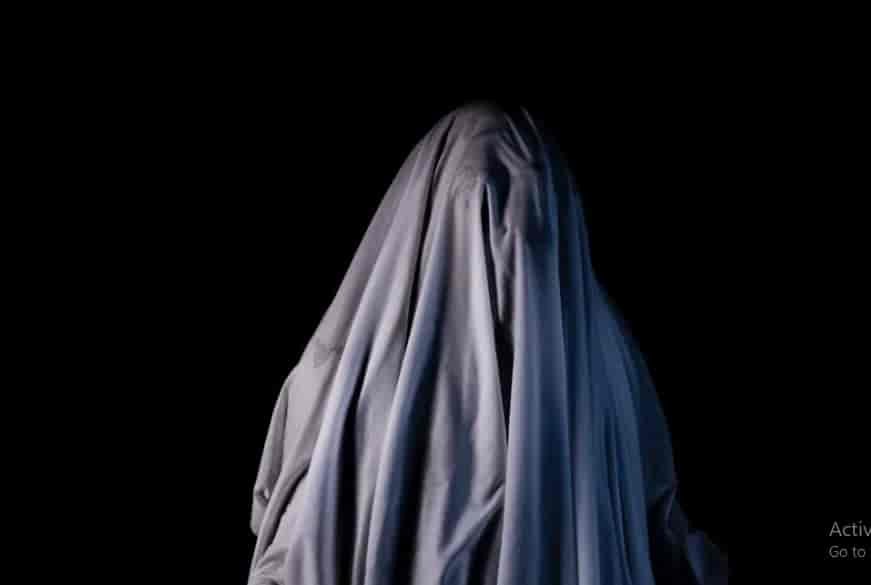
Dreams about ghosts often feel disturbing and emotionally intense. Many people wake up feeling uneasy and immediately ask what do dreams about ghosts mean. These dreams can feel vivid and personal, even when the dreamer does not believe in ghosts or supernatural forces. The fear does not come from the image itself, but from the emotions that surface during the dream.
In most cases, dreams about ghosts do not point to paranormal experiences. Instead, they reflect how the subconscious mind processes unresolved thoughts and emotional tension. The brain uses symbols during sleep to express what the conscious mind avoids. Ghosts appear because they strongly represent the past, absence, and unfinished emotional business. They give form to memories and feelings that remain unacknowledged during waking life.
Emotionally, ghost dreams often connect to guilt, regret, grief, or fear of confrontation. People frequently experience these dreams during stressful periods or major life transitions. Breakups, losses, and unresolved conflicts can trigger the mind to revisit emotional experiences through symbolic imagery. The ghost becomes a reminder rather than a threat.
From a symbolic spiritual perspective, these dreams may signal inner transformation. They often suggest the need to release emotional attachments or outdated beliefs. When interpreted correctly, ghost dreams do not warn of danger. They invite self reflection. Understanding what dreams about ghosts mean allows the dreamer to face hidden emotions, gain clarity, and move toward emotional balance.
Psychological Meaning of Dreams About Ghosts
From a psychological perspective, dreams about ghosts reflect how the subconscious mind handles unresolved mental content. When people ask what do dreams about ghosts mean, psychology offers a grounded explanation. The mind often uses symbolic images to express thoughts and memories that remain unfinished or emotionally charged. Ghosts represent what lingers in the background of awareness but never fully disappears.
The subconscious mind stores experiences that the conscious mind avoids. Stressful events, unresolved conflicts, and suppressed memories often stay inactive during waking life. During sleep, mental filters weaken. The brain then brings these hidden elements forward in symbolic form. Ghosts appear because they embody the idea of something present but ignored. They move without control and mirror thoughts that refuse to stay buried.
Anxiety plays a strong role in ghost related dreams. People who experience chronic stress or emotional pressure often report dreams where ghosts chase them or observe them silently. These scenarios reflect avoidance patterns. The dreamer runs from issues that demand attention or feels watched by unresolved responsibilities. The fear does not come from the ghost itself. It comes from the emotional weight attached to the situation.
Traumatic memories can also influence these dreams. Even mild emotional trauma can resurface when the brain attempts to process it during sleep. A ghost may represent a past version of the self or an experience that never reached closure. The dream acts as a signal rather than a threat.
Psychologically, ghost dreams encourage awareness. They highlight unfinished mental processes and emotional conflicts that require conscious attention. Understanding this meaning helps reduce fear and allows the dreamer to approach the message with clarity instead of panic.
Emotional Meaning Behind Dreams About Ghosts
The emotional meaning behind dreams about ghosts often connects to feelings that remain unresolved or ignored. When people wonder what do dreams about ghosts mean, emotions usually sit at the center of the answer. These dreams tend to surface when the mind struggles to process emotional experiences that feel uncomfortable or overwhelming during waking life.
Ghosts in dreams frequently symbolize guilt or regret. A past decision, a missed opportunity, or words left unsaid can create emotional tension. When these feelings stay unaddressed, the mind gives them form through symbolic imagery. The ghost becomes a reminder of what still weighs on the emotional state. It appears not to scare, but to demand recognition.
Grief also plays a significant role in ghost related dreams. Loss does not always resolve itself through time alone. When emotions remain suppressed, dreams offer a space for expression. A ghost may represent a memory, a relationship, or an emotional connection that the dreamer has not fully accepted or released. The presence of the ghost reflects emotional attachment rather than fear.
Periods of emotional change often trigger these dreams. Breakups, career shifts, relocations, and identity changes place stress on emotional stability. During these transitions, the mind revisits past emotions to regain balance. Ghost dreams appear when the dreamer resists letting go or feels uncertain about moving forward.
Emotionally, these dreams serve a purpose. They encourage reflection and emotional honesty. Instead of signaling danger, they reveal emotional wounds that seek closure. Understanding the emotional meaning behind ghost dreams allows the dreamer to process feelings consciously and regain emotional control.
Spiritual Interpretations of Ghost Dreams
Spiritual interpretations of ghost dreams focus on symbolism rather than superstition. When asking what do dreams about ghosts mean from a spiritual angle, the answer does not involve paranormal messages or external forces. Instead, these dreams reflect internal awareness, personal growth, and transformation.
In symbolic spirituality, ghosts represent unfinished inner chapters. They point to beliefs, identities, or emotional patterns that no longer serve the dreamer but still influence behavior. The ghost appears because the dreamer has not fully acknowledged this internal shift. It signals the need to release outdated attachments and make space for growth.
Ghost dreams often arise during periods of transition. Personal change can create inner conflict between the past and the present. The mind uses spiritual symbols to express this tension. A ghost stands between what was and what is becoming. It reminds the dreamer that growth requires acceptance and closure, not fear or avoidance.
Cultural beliefs also shape spiritual dream symbolism. Stories, traditions, and personal values influence how the mind constructs meaning. While some cultures associate ghosts with warnings, a symbolic approach reframes them as markers of awareness. The dream reflects inner dialogue rather than external signs.
Spiritually, these dreams invite reflection rather than alarm. They encourage the dreamer to examine what needs release and what deserves closure. Understanding this perspective removes fear and replaces it with insight. When interpreted symbolically, ghost dreams support emotional healing and inner alignment instead of superstition.
Common Ghost Dream Scenarios and Their Meanings
Dreams about ghosts take many forms, and each scenario reflects a different psychological and emotional message. Understanding what do dreams about ghosts mean becomes clearer when the specific situation within the dream is examined. The context often matters more than the ghost itself.
Seeing a ghost standing silently often relates to awareness. This type of dream suggests that something important exists in the background of the dreamer’s mind. The issue does not demand action yet, but it seeks recognition. The ghost appears calm because the mind has started to accept the presence of an unresolved thought or emotion.
Being chased by a ghost reflects avoidance. The dreamer may feel pressured by responsibilities, emotions, or decisions they continue to delay. The chase represents inner resistance rather than external danger. The faster the ghost moves, the stronger the emotional tension becomes. These dreams often appear during stressful periods when escape feels easier than confrontation.
Talking to a ghost carries a different meaning. This scenario suggests readiness. The dreamer has reached a stage where reflection feels possible. Conversations with ghosts often represent self dialogue with the past. The dream allows emotional processing and signals progress toward closure.
Dreams about ghosts inside a house connect closely to personal identity. The house symbolizes the inner world. A ghost appearing in familiar rooms suggests emotional patterns rooted in daily life. It may reflect habits, memories, or beliefs that influence behavior without conscious awareness.
Recurring ghost dreams deserve attention. Repetition indicates that the mind has not resolved the underlying message. These dreams continue until awareness increases or emotional action follows. They do not predict harm. They reflect persistence.
Understanding these scenarios shifts fear into insight. Each variation highlights a specific emotional or mental process that seeks clarity.
Should You Be Worried About Dreams About Ghosts?
Dreams about ghosts rarely indicate danger or predict negative events. Many people feel alarmed after these dreams because fear lingers after waking. When asking what do dreams about ghosts mean, concern often comes from misunderstanding the purpose of dreams. In most cases, these experiences reflect internal processing rather than external threats.
Occasional ghost dreams fall within a normal range of emotional response. Stress, fatigue, and emotional overload can trigger symbolic imagery during sleep. The mind uses familiar symbols to express tension. When stress levels decrease, these dreams often fade without effort.
Concern becomes relevant only when ghost dreams appear frequently and disrupt daily life. Persistent nightmares, sleep avoidance, or anxiety during waking hours may signal unresolved emotional stress. In such cases, the dream does not cause the issue. It reflects it. Paying attention to emotional patterns often brings relief.
Self reflection helps reduce fear. Writing down dreams and noting emotional reactions can reveal recurring themes. Patterns often connect to specific stressors or unresolved situations. This process increases awareness and gives the dreamer a sense of control.
Professional support may help when dreams connect to anxiety disorders or trauma. A mental health professional can guide emotional processing and reduce distress. Seeking help does not mean weakness. It reflects self care and emotional responsibility.
Most importantly, ghost dreams invite understanding rather than worry. They encourage emotional awareness and personal insight. When viewed through this lens, fear loses power and clarity replaces confusion.
Conclusion
Dreams about ghosts often feel intense, but their meaning rarely relates to fear or danger. When people ask what do dreams about ghosts mean, the answer points inward rather than outward. These dreams reflect how the mind processes unresolved thoughts, emotions, and personal experiences during sleep. Ghosts act as symbols, not threats. They give shape to what remains unfinished within the subconscious.
Psychologically, ghost dreams highlight suppressed memories and avoided issues. Emotionally, they reveal feelings such as guilt, grief, or regret that still seek acknowledgment. Spiritually, when interpreted symbolically, they suggest transformation and the need to release outdated attachments. Across all perspectives, the message remains consistent. The mind seeks awareness and resolution.
Instead of reacting with fear, reflection offers a healthier response. Paying attention to emotional patterns, life transitions, and recurring themes helps uncover the source of these dreams. Writing thoughts down or practicing mindful self observation can turn confusion into clarity. When understanding grows, fear naturally fades.
Dreams communicate through symbols because emotions do not always use words. Ghosts appear because they represent what still lingers in memory or emotion. Recognizing this allows the dreamer to move forward with greater balance and emotional control.
The next time a ghost appears in a dream, consider what part of the past still asks for attention. The answer often leads to healing, insight, and personal growth rather than fear.