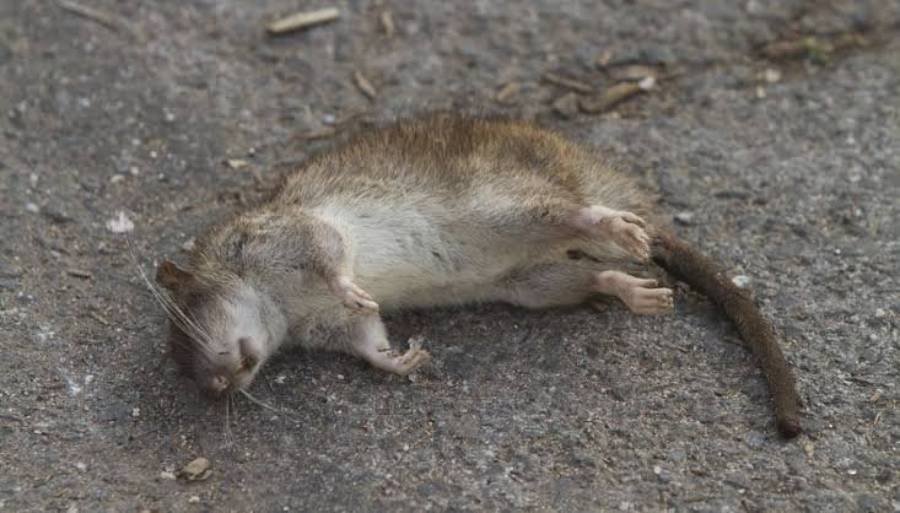
A dead mouse is commonly interpreted spiritually as a symbol of endings, release, transformation, warning, or unresolved issues that need attention. Because death represents the completion of a life cycle, seeing a dead mouse can symbolize the end of a habit, relationship, belief, emotional pattern, or phase of life. It can also represent the transition that follows an ending, making the symbol relevant to both closure and renewal.
The mouse itself adds another layer to this symbolism. Mice are associated with survival, vulnerability, caution, and small details that are easy to overlook. When a mouse appears dead, these qualities can turn the encounter into a symbolic reminder to examine neglected problems, release patterns that no longer serve you, or recognize an important change already taking place in your life.
However, finding a dead mouse does not automatically predict death, misfortune, or another negative event. Spiritual meanings are interpretations rather than universal facts, and the significance of an encounter depends on where you found the mouse, what was happening in your life, how you reacted to it, and your personal beliefs. Examining these factors makes it possible to distinguish between meanings related to endings, warnings, transformation, and new beginnings.
What Is the Spiritual Meaning of a Dead Mouse?
The spiritual meaning of a dead mouse is most closely associated with endings, release, transformation, warnings, unresolved issues, vulnerability, and renewal. These seven interpretations come from combining the symbolism of death with the qualities commonly associated with mice. Death represents completion or the end of a cycle, while a mouse can symbolize survival, caution, vulnerability, and attention to small or easily overlooked matters. Together, these symbols can point toward something minor but significant that has reached an ending or requires recognition.
An ending is one of the clearest interpretations because a dead mouse represents a life cycle that has stopped. In a personal spiritual context, this can symbolize the completion of a habit, relationship, belief, routine, emotional attachment, or stage of life. For example, someone who encounters a dead mouse while moving away from an unhealthy friendship may interpret it as a symbol of closure. The mouse does not cause or predict the ending; instead, the encounter can provide a symbolic framework through which the person reflects on a change already occurring.
Release and transformation develop from the same symbolism. Releasing something means no longer carrying a pattern, attachment, or concern that has completed its purpose. Transformation describes the change that becomes possible afterward. A person who has recently abandoned an old habit, changed priorities, or recovered from a difficult period may therefore associate a dead mouse with leaving an outdated part of life behind.
A dead mouse can also represent a warning or unresolved issue because mice are small, cautious animals that often remain hidden from view. Symbolically, this creates an association with problems that are easy to ignore until they demand attention. The encounter may encourage reflection on a neglected responsibility, recurring fear, strained relationship, or unhealthy pattern. This interpretation is especially relevant when the person already knows that a problem exists but has repeatedly avoided dealing with it.
Vulnerability and renewal complete the seven main interpretations. A mouse is physically small and vulnerable, so its death can draw attention to areas where a person feels unprotected, anxious, or depleted. At the same time, an ending creates space for something different to begin. For this reason, dead mouse symbolism does not need to remain negative: the same image that represents completion can also symbolize the opportunity for renewal after something has been released.
Does a Dead Mouse Symbolize an Ending or Transformation?
A dead mouse can symbolize both an ending and transformation because the two meanings describe consecutive stages of the same symbolic process. An ending marks the completion of an existing cycle, while transformation describes the change that follows it. In this interpretation, the dead mouse represents a boundary between what has finished and what may develop afterward.
The symbolism of an ending does not necessarily refer to physical death. It can represent the completion of a relationship dynamic, recurring behavior, personal belief, fear, responsibility, or period of life. For example, a person leaving a job after several difficult years might connect the encounter with the end of that professional chapter. Someone who has recently changed a destructive habit might instead interpret it as the completion of an old behavioral pattern. The relevant meaning comes from the person’s circumstances rather than from a fixed prediction attached to the animal.
Transformation becomes relevant when the ending changes what comes next. Giving up an old identity can create room for a different sense of self; ending an unhealthy relationship can change emotional priorities; abandoning a harmful habit can alter daily behavior. In each case, the symbolic sequence is ending → release → transition → transformation. The dead mouse represents the completed state within that sequence rather than guaranteeing what the new state will become.
This distinction also explains why seeing a dead mouse should not automatically be treated as a negative omen. Endings can involve discomfort, grief, or uncertainty, but they can also remove something that is no longer useful. A dead mouse encountered during a major transition may therefore be interpreted as an invitation to identify what has already run its course and what needs to be released before the next stage can begin. The spiritual value of the symbol lies in that reflection, not in treating the encounter as proof that a specific future event will occur.
Is Seeing a Dead Mouse a Spiritual Warning?
Seeing a dead mouse can be interpreted as a spiritual warning to pay attention to a neglected, hidden, or unresolved part of your life. This meaning comes from the symbolic qualities associated with mice rather than from the idea that the animal predicts a specific negative event. Mice are small, cautious creatures that often remain unnoticed, so a dead mouse can represent something that has stayed in the background for too long and now requires attention.
The warning may relate to an unresolved emotional issue, unhealthy habit, neglected responsibility, strained relationship, or concern that you have repeatedly dismissed. For example, someone who has been avoiding a growing conflict with a family member may interpret finding a dead mouse as a reminder to address the problem instead of allowing it to remain hidden. In this context, the symbol directs attention toward an existing issue; it does not establish that the encounter caused the issue or predicts its outcome.
A dead mouse can also symbolize the consequences of ignoring small problems. Minor issues can become more difficult when they remain unresolved, and the mouse’s small size reinforces this interpretation. A recurring financial concern, repeated boundary violation, persistent fear, or unhealthy daily behavior may appear insignificant at first but become more disruptive over time. Spiritually, the encounter can therefore serve as a prompt to identify what you have minimized and decide whether it requires action.
Intuition is another part of this interpretation. If you already feel that something in your life needs to change, seeing a dead mouse may reinforce your awareness of that concern. The useful question is not “What bad event is this predicting?” but “What existing issue am I being reminded to examine?” This approach keeps the interpretation focused on reflection rather than fear or certainty about future events.
Is a Dead Mouse a Bad Omen?
A dead mouse is not necessarily a bad omen because death symbolism can represent completion and release as well as loss or difficulty. Interpreting every dead mouse as a prediction of misfortune ignores the broader symbolic relationship between endings, transition, and renewal. The meaning depends on the circumstances surrounding the encounter and the beliefs of the person interpreting it.
A negative interpretation is more likely when the encounter resonates with an existing fear, unresolved conflict, harmful pattern, or situation that feels unstable. Someone who has repeatedly ignored a serious personal problem, for example, might interpret the dead mouse as a symbolic warning to stop avoiding it. Even in this case, the symbolism points toward awareness and action rather than proving that misfortune will occur.
The same encounter can have a different meaning during a period of closure. If you have recently ended a damaging relationship, abandoned an unhealthy behavior, or completed a difficult stage of life, the dead mouse may symbolize something that has finally run its course. The death imagery then represents completion rather than impending danger. What initially appears negative can therefore carry a constructive meaning when viewed within the person’s current circumstances.
For this reason, treating a dead mouse as an automatic sign of death, disaster, or bad luck creates more certainty than spiritual symbolism can support. A more useful interpretation considers three factors: the situation in which the mouse appeared, the changes already happening in your life, and your emotional response to the encounter. These factors provide context for deciding whether the symbol feels connected to warning, closure, release, or transformation.
Can a Dead Mouse Have a Positive Spiritual Meaning?
A dead mouse can have a positive spiritual meaning when it represents release, completion, freedom from an old pattern, or the beginning of renewal. The positive interpretation does not come from death itself being desirable. It comes from recognizing that the completion of one cycle can remove an obstacle to the next stage of development.
Release is one positive meaning. A habit, belief, fear, relationship pattern, or emotional burden can remain part of life even after it stops being useful. Symbolically, a dead mouse may represent the point at which that attachment has lost its influence or needs to be left behind. For example, someone who has finally established boundaries after a draining relationship might interpret the encounter as a symbol of releasing an old dynamic.
Renewal follows the same sequence. An ending creates space; release removes attachment; transition creates movement; renewal establishes what comes next. A dead mouse can therefore symbolize a new beginning indirectly because it represents the completion required before renewal can occur. The new beginning might involve healthier habits, stronger boundaries, different priorities, or a changed understanding of yourself.
The positive and negative interpretations are therefore not contradictions. They describe different sides of the same symbolic process. A dead mouse may feel unsettling because it represents an ending, while that same ending may ultimately represent freedom or change. The surrounding context determines which interpretation carries the strongest personal relevance.
What Does Finding a Dead Mouse in Your House Mean Spiritually?
Finding a dead mouse in your house can spiritually symbolize the ending of a personal issue, the need to release stagnant energy, or an overlooked problem within your private life. The house changes the context of the symbol because a home is commonly associated with safety, family, relationships, routines, privacy, and your inner emotional world. A dead mouse found inside this space may therefore feel more personally significant than one encountered in an unrelated outdoor location.
The meaning of an ending becomes especially relevant when something within your personal life has recently reached completion. This could involve a family conflict, an old routine, a limiting belief, an emotional attachment, or a relationship dynamic that no longer serves its previous purpose. For example, finding a dead mouse during a period when you are establishing new boundaries at home may symbolically correspond with the end of an unhealthy pattern. The encounter does not predict that change; it provides a symbol through which an existing transition can be interpreted.
A dead mouse inside the home can also represent an overlooked issue because mice commonly remain hidden in walls, cupboards, basements, attics, and other concealed spaces. Symbolically, this hidden quality connects the mouse with concerns that exist beneath the surface. The issue might involve unspoken tension, accumulated stress, neglected responsibilities, or an emotional concern you have avoided addressing. Finding the mouse can therefore act as a prompt to examine what has remained unnoticed or deliberately ignored in your personal environment.
Finding a dead mouse at your doorstep adds the symbolism of a boundary. A doorway separates your private space from the outside world, so the encounter may represent a transition between an old state and a new one, or a need to reconsider what you allow into your personal life. Someone changing relationships, priorities, or personal boundaries may find this interpretation particularly relevant. However, the meaning still depends on personal circumstances rather than the location having a fixed supernatural significance.
A practical explanation should remain part of the interpretation. A dead mouse inside a house can indicate rodent activity, access points, traps, poison, or another environmental cause. Addressing that physical explanation does not prevent someone from reflecting on the encounter spiritually. It simply separates what caused the mouse to be there from what the experience personally symbolizes.
What Does Finding a Dead Mouse Outside Mean Spiritually?
Finding a dead mouse outside can spiritually symbolize the completion of a cycle, release of something outside your immediate personal world, or a reminder to observe changes happening around you. Unlike finding one inside your home, an outdoor encounter has a weaker symbolic connection with privacy, family, security, and your inner emotional space. Location therefore changes how much personal significance should reasonably be attached to the encounter.
The specific outdoor setting can shape the interpretation. A dead mouse found directly on your path may symbolically correspond with something you are moving beyond, while one found near a place connected with work, relationships, or a major decision may prompt reflection on that particular area of life. For example, someone encountering one while leaving a place associated with a completed chapter may connect the experience with closure. The location supplies context, but it does not establish a predetermined spiritual message.
An outdoor dead mouse can also represent the natural reality of endings. Animals die because of predators, disease, injury, weather, age, poison, traffic, and other environmental causes. Recognizing these explanations is important because not every unusual encounter needs to be interpreted as a spiritual sign. An event can have an ordinary physical cause while still inspiring personal reflection.
The strongest interpretation therefore comes from examining the relationship between the encounter and your current circumstances. Consider where you found the mouse, what you were thinking about immediately before the encounter, what emotion it produced, and whether an important transition is already occurring in your life. A meaningful connection may support an interpretation involving closure or change; the absence of such a connection may simply mean that you encountered a dead animal outdoors.
What Does It Mean If You Keep Seeing Dead Mice?
Repeatedly seeing dead mice can spiritually symbolize a recurring issue, repeated reminder, or transition that continues to demand your attention. A single encounter may feel coincidental or symbolic depending on its context, while repeated encounters can make the same theme feel more significant. From a spiritual perspective, repetition can encourage you to examine whether an unresolved problem, old pattern, or necessary ending continues to appear in different areas of your life.
A recurring issue is one possible interpretation because the symbolism of a mouse is connected with small, hidden, or easily overlooked matters. If you repeatedly encounter the same symbol while avoiding a particular concern, you may interpret the pattern as a reminder to address what has been neglected. For example, someone who continues postponing an important decision might associate repeated dead mice with a problem that will not disappear simply because it is being ignored. The spiritual value comes from recognizing the pattern and reflecting on it rather than assuming the encounters predict a specific outcome.
Repeated sightings can also represent difficulty letting go. An ending may have already occurred externally while remaining unresolved emotionally. A relationship may be over while attachment remains, a career phase may have ended while uncertainty continues, or an old identity may still influence current decisions. In these situations, repeated dead mouse symbolism can be interpreted as an invitation to recognize what has ended and determine what still prevents complete release.
However, seeing multiple dead mice has practical explanations that should be considered before treating the pattern as a supernatural message. Repeated sightings around the same home or property can result from rodent activity, pest-control measures, predators, environmental conditions, or access to poison. If several dead mice appear in the same physical area, investigating the environmental cause is more useful than assuming repetition alone proves spiritual significance.
Spiritual reflection and practical explanation do not have to exclude each other. The physical cause explains why the dead mice are present, while personal interpretation concerns what the experience means to you. If the encounters consistently coincide with a period of closure, unresolved tension, or major change, you may use them as prompts for reflection without treating them as evidence that an external spiritual force is predicting future events.
What Does Dreaming About a Dead Mouse Mean Spiritually?
Dreaming about a dead mouse can spiritually symbolize the end of a fear, the release of an old concern, vulnerability, unresolved emotions, or a personal transition. Unlike physically finding a dead mouse, a dream occurs within an internal mental experience. Its interpretation should therefore focus more strongly on your emotions, associations, current concerns, and the events taking place within the dream.
The death of the mouse can represent something losing its influence over you. If the mouse feels connected with fear, anxiety, secrecy, or a persistent minor problem, seeing it dead in a dream may symbolize the weakening or completion of that issue. For example, someone who has recently overcome a recurring fear might interpret the dream as representing emotional closure. In this context, the dead mouse symbolizes the end of a psychological or spiritual pattern rather than physical death.
The dream can carry a different meaning when it produces sadness, disgust, anxiety, or guilt. These emotions may point toward vulnerability or an unresolved issue rather than release. A person who feels responsible for the mouse in the dream, for instance, may connect the image with regret about something they have neglected. Someone who feels relieved after seeing it may instead associate the dream with freedom from a burden. The emotional response helps distinguish between interpretations involving loss and interpretations involving release.
Other details can further change the meaning. A dead mouse inside your dream home may connect the symbolism with private life or emotional security, while multiple dead mice may emphasize repetition or the completion of several related concerns. A mouse that suddenly returns to life can shift the symbolism toward recurrence, renewal, or an issue believed to be resolved but now returning. These details work as contextual clues rather than fixed rules with universal meanings.
A dead mouse dream should therefore be interpreted through three elements: the condition and location of the mouse, your emotional response, and the circumstances currently affecting your life. When these elements point toward the same theme, such as ending an unhealthy pattern or confronting an unresolved fear, that theme provides a more coherent personal interpretation than relying on a single universal dream definition.
Does the Spiritual Meaning of a Dead Mouse Change by Culture or Belief?
The spiritual meaning of a dead mouse can change according to cultural traditions, spiritual beliefs, personal symbolism, and the context of the encounter. There is no single universal interpretation that applies to every person or belief system. Meanings such as endings, warnings, transformation, release, and renewal are symbolic associations, so their relevance depends on the framework used to interpret the animal and its death.
Different belief systems can assign different qualities to mice. A tradition that emphasizes the mouse’s ability to survive may associate it with adaptability, resourcefulness, or persistence. Another interpretation may focus on its small size, hidden behavior, or vulnerability and connect it with overlooked problems, caution, fear, or matters occurring beneath the surface. When death is added to these associations, the meaning can shift toward the end of a struggle, loss of something vulnerable, release of an old pattern, or completion of a difficult period.
Personal beliefs also influence which interpretation feels relevant. Someone who already associates mice with anxiety may understand a dead mouse as the symbolic ending of a fear. Another person who associates mice with survival may see the same image as representing the end of a demanding period in which survival and persistence were necessary. The same symbol can therefore produce different meanings because people bring different experiences and associations to it.
Cultural interpretations require particular care because spiritual symbols should not be assigned to a religion, Indigenous tradition, or historical culture without reliable evidence. Claims that a dead mouse has one specific Biblical, Native American, Celtic, Hindu, Buddhist, or other cultural meaning can create false certainty when the relevant tradition does not explicitly support that interpretation. A culturally specific meaning is strongest when it can be connected to documented beliefs about mice, death, omens, or the symbolic context in which the animal appears.
For a personal spiritual interpretation, cultural traditions can provide context without functioning as universal rules. The more useful approach is to distinguish between documented cultural symbolism, broader modern spiritual interpretations, and your own personal associations. Keeping these three levels separate prevents a personal belief from being presented as a historical or religious fact.
Read more: 7 Spiritual Meanings of Seeing a Purple Moon
How Can You Interpret the Spiritual Meaning of a Dead Mouse for Yourself?
You can interpret the spiritual meaning of a dead mouse by examining five factors: where you found it, what was happening in your life, your immediate emotional response, the symbolism that matches your circumstances, and any practical explanation for the encounter. Using these factors creates a contextual interpretation rather than selecting a meaning simply because it appears in a list of spiritual symbols.
First, consider where you encountered the mouse. A dead mouse inside your home may feel connected with private life, family, security, or an issue that has remained hidden. One at a doorway can bring attention to boundaries or transitions. An outdoor encounter may have less direct connection with your personal environment. Location matters because it determines the context in which you experienced the symbol.
Second, identify what was already happening in your life when the encounter occurred. Look for an existing ending, unresolved problem, changing relationship, abandoned habit, difficult decision, or period of transition. For example, finding a dead mouse shortly after deciding to leave an unhealthy situation may make the symbolism of release more personally relevant. The existing event provides the context; the mouse does not predict or cause it.
Third, examine your first emotional reaction. Relief can point toward release, sadness toward loss, fear toward vulnerability, and discomfort toward an issue you would rather avoid. Emotional responses are useful because the same physical symbol can carry different associations for different people. A person who fears mice will not necessarily interpret the encounter in the same way as someone who views them primarily as symbols of adaptability.
Fourth, compare your circumstances with the major symbolic meanings. Ask whether ending, release, transformation, warning, unresolved issues, vulnerability, or renewal most accurately reflects what is occurring in your life. Avoid forcing a connection when none of these meanings fits. A useful spiritual interpretation should clarify an existing experience rather than require increasingly complicated assumptions to make the symbol relevant.
Fifth, identify the practical explanation. A mouse may die because of poison, traps, predators, disease, injury, or environmental conditions. Finding one inside your home can also indicate rodent activity that requires practical attention. A physical cause and a personal symbolic meaning can exist at the same time: the cause explains why the mouse died or appeared there, while the spiritual interpretation describes what the encounter represents to you.
These five questions turn the experience into a structured reflection: Where did I find it? What is changing in my life? What did I feel? Which symbolism matches that situation? What practical explanation exists? If several answers point toward the same theme, such as closure, release, or an unresolved problem, that theme offers the most coherent personal interpretation. If no meaningful connection emerges, there is no need to force the encounter into a spiritual message.
Should You Be Worried After Finding a Dead Mouse?
Finding a dead mouse does not mean that something bad is going to happen to you. Spiritual interpretations may connect a dead mouse with endings, warnings, vulnerability, or unresolved issues, but these meanings are symbolic rather than reliable predictions of death, illness, financial loss, relationship problems, or other future events. The encounter should therefore be treated as an opportunity for reflection rather than a reason to expect misfortune.
Concern may arise because death naturally carries associations with loss and finality. When combined with ideas about omens or spiritual signs, this association can make an ordinary encounter feel threatening. However, the symbolism of death also includes completion, release, transition, and renewal. A dead mouse encountered while you are ending an unhealthy habit, resolving a conflict, or moving into a new phase of life may therefore feel more connected with closure than danger.
The most useful response is to separate symbolic meaning from practical reality. Spiritually, you can consider whether the encounter reflects an ending, neglected issue, personal vulnerability, or transition already present in your life. Practically, a dead mouse in or around your home may indicate rodent activity, poison, traps, predators, disease, or another environmental cause. Repeated dead mice in the same area provide an especially strong reason to investigate the physical environment.
You also do not need to force a spiritual interpretation when the encounter has no meaningful connection with your circumstances. A symbol becomes personally useful when it helps you recognize something that is already relevant, such as a pattern that needs to end or a problem that requires attention. Treating every dead animal as a supernatural warning can instead create unnecessary fear and encourage connections that have little contextual basis.
The spiritual meaning of a dead mouse is therefore best understood through context, reflection, and personal belief rather than fear. It may represent an ending, release, transformation, warning, unresolved issue, vulnerability, or renewal, but none of these interpretations guarantees a future event. Consider what is already changing in your life, address any practical reason for the mouse’s presence, and keep the symbolic meaning that genuinely fits your experience.