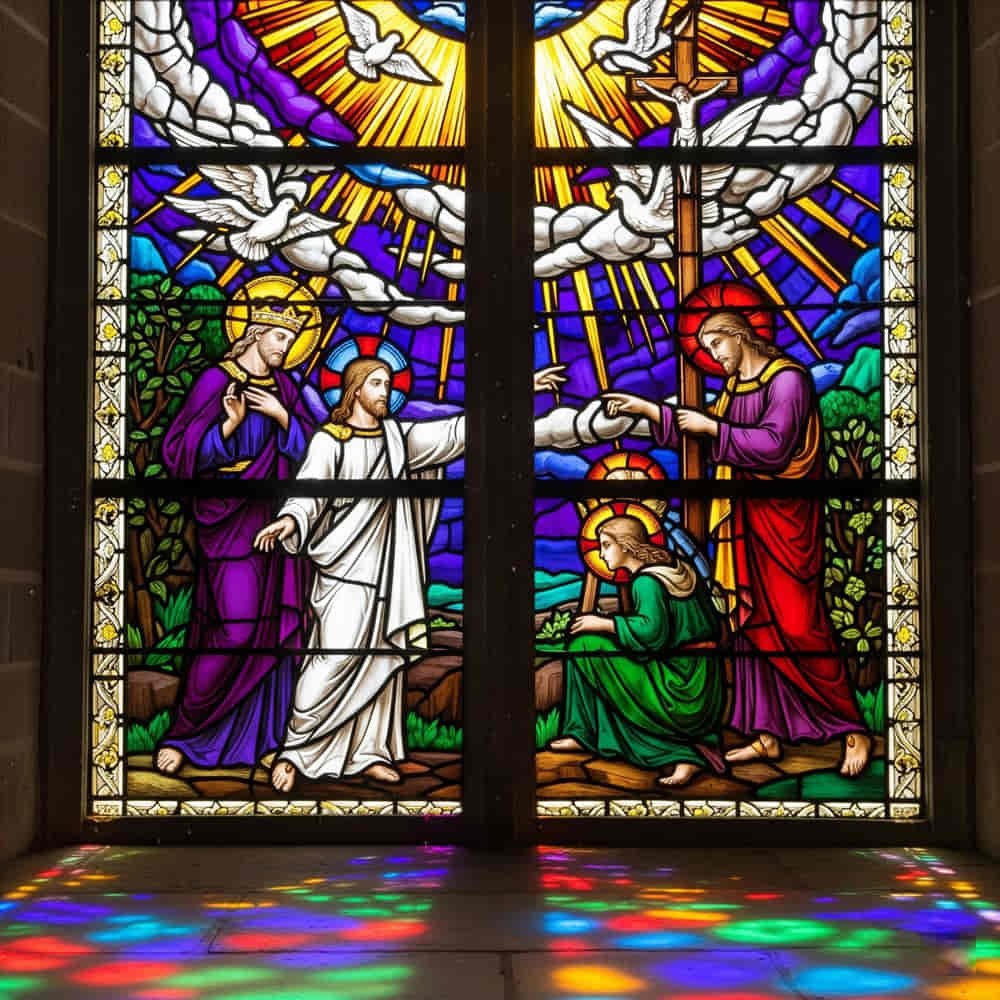
Colors are far more than visual elements in the Bible. Throughout Scripture, they serve as powerful symbols that communicate spiritual truths, reveal aspects of God’s character, and deepen our understanding of biblical events. From the brilliant white garments described in heavenly visions to the royal purple robes associated with kingship, colors appear repeatedly throughout both the Old and New Testaments, carrying meanings that often extend far beyond their physical appearance.
In biblical times, colors were not chosen randomly. They were woven into priestly garments, incorporated into the design of the Tabernacle and Temple, used in sacred ceremonies, and referenced in prophetic visions. Every color carried significance, helping God’s people understand important spiritual concepts such as holiness, redemption, authority, judgment, mercy, and eternal life.
Understanding biblical color symbolism can enrich your study of Scripture by revealing deeper layers of meaning hidden within familiar passages. When readers recognize the spiritual significance behind colors, many biblical narratives become more vivid and meaningful. A simple reference to gold, scarlet, blue, or white often points toward profound spiritual truths that God’s people have reflected upon for centuries.
While the Bible does not always provide explicit definitions for every color, consistent themes emerge throughout Scripture. These recurring patterns have helped theologians, scholars, and believers identify symbolic meanings that continue to inspire Christians today.
In this guide, we will explore the spiritual meaning of the 11 most important colors in the Bible and discover how each one reveals unique aspects of God’s plan, His promises, and His relationship with humanity. From purity and redemption to glory and divine authority, these colors offer valuable insights into the spiritual messages woven throughout Scripture.
Why Colors Matter in the Bible
Biblical colors function as a visual language that helps communicate spiritual realities. Throughout Scripture, colors often appear in places where God reveals His presence, establishes covenants, gives instructions for worship, or communicates prophetic messages.
For example, specific colors were used in the garments of Israel’s high priests, the curtains of the Tabernacle, and the sacred furnishings associated with worship. These colors were carefully selected because they represented important aspects of God’s nature and His relationship with His people.
Colors also help illustrate abstract spiritual concepts. Purity, sacrifice, holiness, redemption, royalty, and judgment are difficult ideas to visualize. Through color symbolism, Scripture provides tangible representations that make these truths easier to understand and remember.
As we explore the eleven most important colors in the Bible, it becomes clear that each one contributes to a larger spiritual narrative. Together, they reveal God’s character, His promises, and His plan for redemption throughout human history.
White: Purity and Righteousness
Among all biblical colors, white is perhaps the most widely recognized symbol of purity, holiness, and righteousness. Throughout Scripture, white is consistently associated with God’s perfection, spiritual cleansing, and victory over sin.
One of the most powerful examples appears in the Book of Revelation, where believers are described as wearing white robes. These garments symbolize spiritual purity and redemption through faith. White robes represent lives cleansed from sin and restored through God’s grace.
White also appears during significant divine encounters. At the Transfiguration of Jesus, His garments became dazzling white, reflecting divine glory and heavenly purity. Angels are frequently described as wearing white garments as well, emphasizing their connection to God’s holy presence.
Spiritually, white reminds believers of forgiveness, renewal, and the transforming power of God’s grace. It symbolizes a heart made clean and a life dedicated to righteousness.
Red: Sacrifice and Redemption
Red is one of the most emotionally powerful colors found in Scripture. It is closely connected to blood, sacrifice, redemption, and the covenant relationship between God and His people.
Throughout the Old Testament, sacrificial blood played a central role in worship and atonement. These sacrifices pointed forward to the ultimate sacrifice of Jesus Christ, whose blood would provide redemption for humanity.
Because of this connection, red often symbolizes both the seriousness of sin and the depth of God’s love. It reminds believers that redemption comes at a cost and that salvation is rooted in Christ’s sacrifice.
The color red also represents spiritual life. Blood sustains physical life, and in biblical symbolism, it points toward the spiritual life made possible through God’s grace and mercy.
When red appears in Scripture, it frequently serves as a reminder of sacrifice, forgiveness, and the power of redemption.
Scarlet: Sin and Salvation
Scarlet carries a unique dual symbolism within the Bible. On one hand, it represents sin and human brokenness. On the other, it points toward God’s willingness to forgive and restore.
One of the most famous references appears in Isaiah 1:18, where scarlet symbolizes sin. Yet the same passage contains a powerful promise that sins can be made white as snow through God’s forgiveness.
Scarlet also appears in the construction of the Tabernacle and in various ceremonial practices, where it becomes associated with cleansing and redemption. This combination of meanings creates a powerful spiritual message. Human sin is real and serious, yet God’s grace is greater.
The symbolism of scarlet reminds believers that redemption is possible regardless of past failures. It highlights the contrast between human imperfection and divine mercy.
Spiritually, scarlet serves as both a warning and a promise. It acknowledges the reality of sin while celebrating the hope of salvation.
Purple: Royalty and Kingship
Purple was one of the most valuable and prestigious colors in the ancient world. Because producing purple dye required significant resources, the color became associated with wealth, authority, and royalty.
In biblical symbolism, purple frequently represents kingship and divine authority. Kings, rulers, and individuals of high status often wore purple garments as symbols of their position.
The spiritual significance of purple becomes especially meaningful in relation to Jesus Christ. Although Roman soldiers mockingly clothed Jesus in a purple robe before His crucifixion, the act unintentionally reflected a deeper truth. Jesus is the King of Kings and the ultimate ruler over all creation.
Purple also symbolizes spiritual authority and divine sovereignty. It reminds believers that God’s kingdom transcends earthly governments and that His authority remains eternal.
When purple appears in Scripture, it often points toward honor, majesty, leadership, and the reign of God. It encourages believers to recognize Christ’s kingship and live under His guidance.
Blue: Heaven and Divine Revelation
Blue is one of the most significant colors in biblical symbolism and is frequently associated with heaven, divine truth, and spiritual revelation. Throughout Scripture, blue points the human heart upward toward God’s presence and eternal realities.
In the Old Testament, blue was prominently featured in the Tabernacle, the garments of the high priest, and sacred objects used in worship. God specifically instructed the Israelites to incorporate blue into many aspects of their spiritual life.
One reason for this symbolism is the connection between blue and the sky. Looking upward naturally reminds people of heaven and God’s sovereignty over creation. Blue therefore became a visual reminder of God’s commandments, His presence, and His divine authority.
Spiritually, blue encourages believers to maintain a heavenly perspective. It symbolizes wisdom, faithfulness, truth, and a deeper relationship with God.
The color reminds us to focus not only on earthly concerns but also on eternal values and spiritual growth.
Green: Life and Spiritual Growth
Green is the color most commonly associated with life, renewal, growth, and flourishing throughout the Bible. It reflects God’s sustaining power and the abundance found in His creation.
Scripture frequently uses images of green pastures, fruitful trees, and flourishing vegetation to illustrate spiritual health and divine blessing. These images communicate peace, provision, and the life that comes from remaining connected to God.
Spiritually, green represents growth in faith and maturity in one’s relationship with God. Just as plants require nourishment to thrive, believers require spiritual nourishment through prayer, Scripture, and obedience.
Green also symbolizes hope. Even after seasons of hardship, growth can return. New opportunities, healing, and restoration remain possible through God’s faithfulness.
When green appears in biblical imagery, it often serves as a reminder that God is the source of life, renewal, and lasting spiritual fruitfulness.
Gold: Glory and God’s Presence
Gold occupies a special place throughout Scripture and is one of the most powerful symbols of divine glory, holiness, and God’s presence. Because of its rarity, beauty, and enduring value, gold was often used to represent what is sacred and eternal.
The Tabernacle and later the Temple contained numerous objects overlaid with gold, including the Ark of the Covenant, lampstands, and sacred furnishings. These items reflected the majesty and holiness of God dwelling among His people.
Gold is also associated with heavenly realities. The Book of Revelation describes the New Jerusalem with streets of pure gold, emphasizing the perfection and splendor of God’s eternal kingdom.
Spiritually, gold symbolizes spiritual wealth, divine wisdom, faith refined through testing, and the glory of God. Just as gold is purified through fire, believers are often strengthened and refined through life’s challenges.
The color reminds Christians that true treasure is found not in earthly possessions but in a relationship with God and the eternal promises He provides.
Silver: Redemption and Truth
Silver is frequently associated with redemption, value, and spiritual truth throughout the Bible. Unlike gold, which often symbolizes divine glory, silver is more commonly connected to the price of redemption and the process of restoration.
In the Old Testament, silver was used in various offerings and transactions related to worship and covenant relationships. It represented something valuable that could be exchanged or used to secure freedom and restoration.
This symbolism became especially significant because redemption often involved a price being paid. Spiritually, silver points toward God’s plan to redeem humanity and restore what has been lost.
Silver also symbolizes purity and refinement. Precious metals were purified through intense heat, removing impurities and increasing their value. This process mirrors spiritual growth, where challenges often strengthen character and deepen faith.
When silver appears in biblical symbolism, it reminds believers of God’s redeeming work, His faithfulness, and the truth that spiritual transformation often occurs through refinement.
Black: Judgment and Mourning
Black is one of the more sobering colors found in Scripture. It is commonly associated with mourning, judgment, suffering, and periods of spiritual darkness.
Throughout the Bible, darkness frequently symbolizes separation from God’s light, times of hardship, or the consequences of sin. Black garments and dark imagery often accompany mourning, grief, and national calamity.
However, biblical symbolism should not be understood as entirely negative. Black also serves an important purpose by highlighting humanity’s need for God’s grace and redemption. Without darkness, the significance of light becomes less apparent.
Spiritually, black reminds believers of the seriousness of sin, the reality of suffering, and the importance of seeking God’s guidance during difficult seasons.
At the same time, Scripture consistently teaches that darkness never has the final word. God’s light, mercy, and redemption remain available even in life’s most challenging circumstances.
Crimson: Atonement and Transformation
Crimson is closely related to scarlet but often carries a stronger emphasis on sacrifice, atonement, and spiritual transformation. The deep richness of crimson has made it a powerful symbol throughout biblical history.
Like scarlet, crimson is connected to blood and redemption. It reminds believers of the sacrificial system established in the Old Testament and ultimately fulfilled through the sacrifice of Jesus Christ.
Crimson represents the reality of sin while simultaneously pointing toward God’s provision for forgiveness. It illustrates how spiritual transformation becomes possible through divine grace.
Many theologians view crimson as a symbol of the journey from brokenness to restoration. The color reflects both the cost of redemption and the beauty of a life transformed by God’s mercy.
Spiritually, crimson encourages believers to remember that no one is beyond God’s ability to restore, heal, and renew.
Amber or Bronze: Strength and Divine Judgment
Amber and bronze often appear in biblical visions associated with power, authority, and divine judgment. These colors carry a sense of strength, endurance, and righteousness.
Bronze was frequently used in the construction of sacred objects, including the altar where sacrifices were offered. Because of its durability and resistance to corruption, bronze became a symbol of strength and stability.
In prophetic visions, figures described with the appearance of glowing bronze or amber often reflect divine authority and holiness. These descriptions emphasize God’s power, justice, and sovereign rule.
Spiritually, bronze symbolizes endurance through trials and the strength that comes from trusting God. It reminds believers that faith can withstand adversity and that God’s justice ultimately prevails.
Amber, with its glowing appearance, is often associated with divine presence, spiritual illumination, and the majesty of God revealed to humanity.
Together, amber and bronze communicate themes of strength, judgment, purification, and unwavering faithfulness.
How Biblical Colors Reveal Spiritual Truths
When viewed together, the colors of the Bible create a remarkable spiritual tapestry. Each color reveals a different aspect of God’s character, His promises, and His relationship with humanity.
White points to purity and righteousness. Red and crimson reveal redemption through sacrifice. Scarlet highlights both sin and salvation. Purple proclaims Christ’s kingship. Blue directs our attention toward heaven and divine truth. Green reflects life and spiritual growth. Gold reveals God’s glory, while silver emphasizes redemption and refinement. Black reminds us of the seriousness of sin and the need for grace. Bronze and amber display God’s strength, justice, and authority.
These colors are not merely decorative details within Scripture. They function as visual symbols that deepen understanding and communicate spiritual realities across generations.
By recognizing biblical color symbolism, readers gain a richer appreciation for the messages woven throughout God’s Word and a deeper understanding of the spiritual truths those colors represent.
Frequently Asked Questions
Why are colors important in the Bible?
Colors help communicate spiritual truths throughout Scripture. They symbolize concepts such as holiness, redemption, authority, judgment, wisdom, and divine glory, making complex spiritual ideas easier to understand.
What is the most important color in the Bible?
Many biblical scholars consider white one of the most significant colors because it consistently symbolizes purity, righteousness, holiness, and spiritual cleansing through God’s grace.
What does purple symbolize in the Bible?
Purple represents royalty, authority, kingship, and honor. It is strongly connected to Jesus Christ as the King of Kings and to God’s sovereign rule.
What does blue mean in biblical symbolism?
Blue symbolizes heaven, divine revelation, truth, faithfulness, and God’s presence. It encourages believers to focus on spiritual and eternal realities.
Why does gold appear so often in Scripture?
Gold represents divine glory, holiness, spiritual wealth, and God’s presence. It was frequently used in sacred spaces because of its beauty and enduring value.
What does black symbolize in the Bible?
Black is commonly associated with mourning, judgment, suffering, and spiritual darkness. It highlights humanity’s need for God’s grace and redemption.
Read more: Spiritual Meanings of Bees Flying Around You
Conclusion
The spiritual meaning of the 11 most important colors in the Bible reveals how deeply symbolism is woven throughout Scripture. Far from being random details, biblical colors communicate profound truths about God’s character, His promises, and His plan for humanity.
Each color contributes a unique message. White speaks of purity and righteousness. Red and crimson point to redemption. Purple proclaims divine authority. Blue directs attention toward heaven. Green celebrates life and growth. Gold reflects God’s glory, while silver emphasizes redemption and truth. Black reminds us of the consequences of sin, and bronze reveals strength and divine justice.
Together, these colors create a visual language that enriches biblical understanding and strengthens spiritual insight. They help believers see familiar passages in new ways and uncover deeper meanings within God’s Word.
The next time you encounter color imagery in Scripture, take a moment to reflect on its symbolic significance. What may seem like a simple descriptive detail often contains a powerful spiritual lesson waiting to be discovered.
By understanding biblical color symbolism, readers can gain a richer appreciation of Scripture and a deeper awareness of the timeless truths God communicates through every page of His Word.