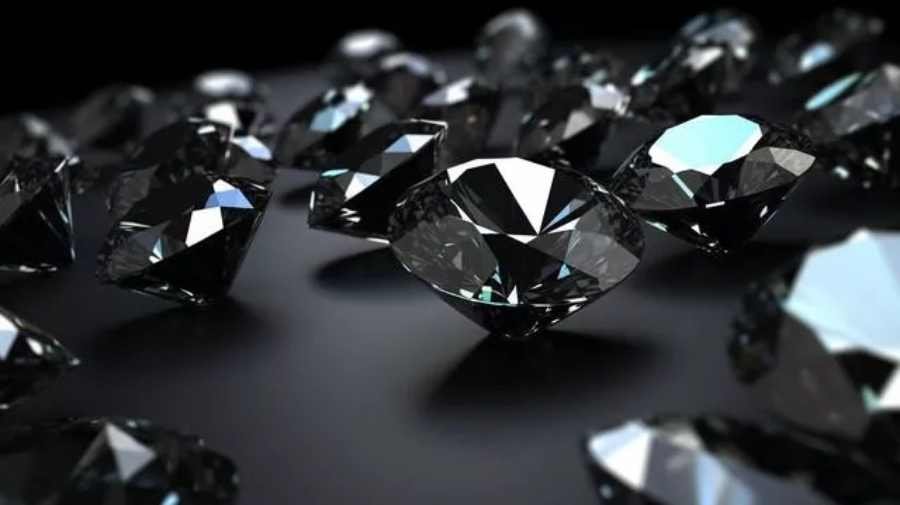
The spiritual meaning of diamond centers on purity, clarity, strength, resilience, love, transformation, and enlightenment. Its exceptional hardness represents inner strength and endurance, while its transparency and brilliance are associated with truth, clear intention, and spiritual awareness. Because a diamond reflects and disperses light, it has also become a symbol of illumination and the pursuit of higher consciousness.
Diamond symbolism extends beyond personal strength. Its durability has made it closely associated with lasting love, fidelity, and commitment, while its formation under intense heat and pressure provides a natural metaphor for transformation through adversity. In spiritual and crystal traditions, diamonds are also associated with energetic amplification, meditation, intention-setting, and the Crown Chakra. These associations are spiritual interpretations rather than scientifically established effects.
Different diamond colors can carry additional symbolic meanings, and interpretations of diamonds also vary across spiritual and cultural traditions. Understanding these distinctions helps separate the diamond’s broad symbolism from meanings connected to specific colors, practices, and belief systems. This guide explains the spiritual meaning of diamond, its main spiritual properties, symbolism, chakra associations, traditional interpretations, and ways it is used in spiritual practices.
What Is the Spiritual Meaning of a Diamond?
The spiritual meaning of a diamond is primarily associated with purity, clarity, strength, resilience, love, transformation, and enlightenment. These meanings are closely connected to the diamond’s physical characteristics. Its transparency represents truth and clear perception, its exceptional hardness represents endurance, and its ability to reflect light represents illumination and higher awareness. Together, these qualities have made the diamond a powerful symbol of an enduring and clarified spiritual state.
Purity and clarity are two of the strongest meanings associated with diamonds. A transparent diamond allows light to pass through and reflect outward, creating a symbolic connection with clear thoughts, honest intentions, and the removal of emotional or spiritual confusion. In this context, purity does not necessarily mean moral perfection. It represents a state in which intentions, values, and perceptions become easier to recognize without distraction or distortion.
Strength is another central element of diamond symbolism because diamond is known for its exceptional hardness. Spiritually, this physical durability provides a metaphor for inner strength, determination, and the ability to remain stable during difficult circumstances. A person who identifies with diamond symbolism may therefore use the stone as a reminder to maintain personal values and continue moving toward a goal despite pressure or adversity.
Diamond is also connected with transformation and enlightenment through two distinct characteristics. Its natural formation under extreme conditions provides a metaphor for personal development through pressure and hardship. Its brilliance creates a second association with light, illumination, and expanded awareness. For this reason, the spiritual meaning of a diamond combines two complementary ideas: developing strength through difficult experiences and gaining greater clarity through that development.
What Are the Main Spiritual Properties of a Diamond?
There are 7 main spiritual properties commonly attributed to diamonds: clarity, strength, resilience, transformation, spiritual awareness, love, and energetic amplification. These properties belong to spiritual and symbolic traditions rather than scientifically demonstrated effects. Their significance comes from the meanings people associate with the diamond’s durability, transparency, brilliance, rarity, and cultural symbolism.
Clarity refers to the diamond’s association with clear thinking, intention, and self-awareness. Its transparent appearance provides the symbolic foundation for this property. In spiritual practice, a diamond may therefore represent the desire to recognize personal intentions more clearly, distinguish important priorities from distractions, or approach a decision with greater awareness.
Strength and resilience derive primarily from the diamond’s hardness and durability. Strength represents the capacity to remain firm, while resilience represents the ability to endure pressure and continue forward. These meanings make diamond symbolism particularly relevant to periods involving challenges, major decisions, or personal change. The stone serves as a physical symbol of remaining internally stable when external circumstances become difficult.
Transformation reflects the contrast between the diamond’s natural formation and its finished appearance. The association between intense pressure and a brilliant gemstone provides a symbolic framework for interpreting hardship as part of personal growth. In a spiritual context, this does not mean that suffering automatically produces growth. Instead, the diamond represents the idea that difficult experiences can become part of a deliberate process of reflection, change, and development.
Spiritual awareness is associated with the diamond’s relationship with light and clarity. Light frequently functions as a symbol of knowledge, insight, and consciousness in spiritual traditions. A brilliant diamond can therefore represent the pursuit of clearer awareness or a deeper understanding of oneself and one’s spiritual values.
Love and commitment are connected with the diamond’s durability. A material recognized for permanence naturally became a symbol of relationships intended to endure. This symbolism is particularly visible in diamond engagement and wedding jewelry, where the stone represents lasting commitment, fidelity, and continuity between partners.
Energetic amplification is another property attributed to diamonds within some crystal-healing and metaphysical practices. Practitioners may interpret the stone as strengthening intentions or the perceived energy of other stones used alongside it. This claim should be understood within the framework of spiritual belief: scientific evidence has not established that diamonds emit or amplify healing energy in the way described by crystal-healing traditions.
These 7 properties form a connected symbolic system rather than separate meanings. Clarity supports awareness, pressure provides the metaphor for transformation, hardness represents resilience, and durability reinforces commitment. The spiritual significance of diamond therefore comes from the relationship between its observable characteristics and the meanings humans have attached to those characteristics.
Why Does a Diamond Symbolize Purity and Clarity?
A diamond symbolizes purity and clarity because its transparency and interaction with light create natural associations with truth, clear perception, and focused intention. In spiritual symbolism, these visible characteristics become metaphors for seeing situations without distortion and recognizing thoughts, emotions, or intentions more clearly.
Purity in diamond symbolism refers primarily to clarity of intention rather than moral perfection. A clear diamond provides a useful metaphor for removing distractions that obscure what a person genuinely values or wants to pursue. For example, someone facing an important life decision may use diamond symbolism as a reminder to separate personal priorities from external expectations. The stone does not create that clarity; it represents the intention to develop it.
Clarity also connects the diamond with truth and self-awareness. Light enters a transparent diamond and is reflected through its structure, creating brilliance. Spiritually, this relationship between transparency and light can represent bringing hidden thoughts, motivations, or uncertainties into conscious awareness. The symbolism therefore moves through a clear semantic sequence: transparency represents clarity, clarity supports truth, and truth supports greater self-awareness.
This meaning also explains why diamonds are sometimes incorporated into meditation or intention-setting practices. A practitioner may focus on the stone while considering a specific question, value, or goal. Within this practice, the diamond functions as a symbolic focal point for clarity rather than as a scientifically proven method for changing cognition or perception.
Why Does a Diamond Symbolize Strength and Resilience?
A diamond symbolizes strength and resilience because its exceptional hardness represents the ability to withstand pressure, maintain integrity, and endure difficult conditions. The symbolism translates a physical characteristic of diamond into a spiritual concept: external pressure does not necessarily have to destroy internal stability.
Strength and resilience have related but distinct meanings. Strength represents firmness and the capacity to withstand difficulty, while resilience represents the ability to continue or recover after adversity. Diamond symbolism encompasses both qualities. Its hardness provides the image of strength, while its natural formation under demanding geological conditions provides a broader metaphor for resilience and development under pressure.
This symbolism becomes especially relevant during periods of personal difficulty. A diamond can represent determination during career changes, emotional challenges, relationship transitions, or demanding personal goals. For example, wearing diamond jewelry after completing a difficult period may give the object a personal meaning connected with perseverance. The significance comes from the relationship between the person’s experience and the established symbolism of the stone.
Pressure is also important to this interpretation, but it should not be understood as meaning that hardship automatically makes a person stronger. Diamond symbolism represents the possibility of responding to pressure with endurance and purposeful transformation. The spiritual lesson lies in maintaining core values, learning from experience, and developing greater stability rather than simply experiencing hardship.
Why Does a Diamond Symbolize Love and Commitment?
A diamond symbolizes love and commitment because its durability and enduring physical structure provide a metaphor for permanence, fidelity, and a relationship intended to last. This association is especially recognizable in engagement and wedding jewelry, where the diamond communicates a promise of long-term commitment between partners.
Durability provides the central mechanism behind this symbolism. Romantic relationships depend on more than attraction; long-term commitment also involves trust, consistency, loyalty, and the willingness to maintain a partnership through changing circumstances. Because diamond is associated with permanence and resistance to wear, it provides a physical symbol for these qualities. The symbolic sequence is therefore durability → permanence → enduring love → commitment.
The meaning of a diamond in a relationship can extend beyond romantic love. A diamond received as a gift may represent recognition, loyalty, gratitude, or an important personal milestone depending on the relationship and occasion. For example, a diamond given to mark an anniversary can symbolize continuity, while one passed through a family can represent an enduring connection between generations. Context determines which aspect of the broader symbolism becomes most relevant.
Spiritually, commitment can also refer to promises made to oneself. A person may associate a diamond with maintaining a personal value, completing a long-term goal, or remaining dedicated to a spiritual practice. In this context, the diamond’s symbolism shifts from commitment between two people to steadfastness toward an intention or principle.
Diamond symbolism therefore connects love with endurance rather than treating the stone simply as a representation of romance. Its deeper spiritual meaning emphasizes relationships and commitments that remain valuable through time, change, and pressure.
Is Diamond Associated With Spiritual Transformation and Enlightenment?
Diamond is associated with spiritual transformation and enlightenment because its formation provides a metaphor for change under pressure, while its brilliance symbolizes illumination, awareness, and the pursuit of truth. These two meanings are related but distinct. Transformation concerns the process of personal change, while enlightenment concerns the clarity or awareness that may emerge from spiritual development.
Why Is Diamond Associated With Transformation?
Diamond symbolizes transformation because the contrast between its natural formation and brilliant finished appearance provides a powerful metaphor for personal development through challenging conditions. Spiritually, pressure represents difficult experiences, while the resulting diamond represents strength, refinement, and a changed state of being.
This symbolism does not mean that hardship automatically produces positive transformation. Personal growth requires a response to experience through reflection, adaptation, learning, or deliberate change. The diamond represents this process rather than the hardship itself. Someone recovering from a difficult period, for example, may view a diamond as a reminder that an experience can influence personal development without permanently defining the person.
Transformation can also involve leaving behind beliefs, habits, or priorities that no longer serve a person’s spiritual direction. In this context, diamond symbolism combines resilience with clarity: resilience provides the strength to continue through change, while clarity helps determine what should be preserved or changed. This connection makes transformation a natural extension of the diamond’s broader spiritual meaning.
Why Is Diamond Associated With Enlightenment?
Diamond is associated with enlightenment because its brilliance and relationship with light symbolize illumination, expanded awareness, and clearer perception. Light has long functioned as a spiritual metaphor for knowledge and insight, so the diamond’s ability to reflect light provides a natural symbolic connection with becoming more aware of oneself, one’s values, or one’s spiritual path.
Enlightenment in this context does not necessarily refer to a specific religious state. In general spiritual symbolism, it can describe movement from confusion toward understanding or from unconscious patterns toward greater awareness. The diamond represents this transition because clarity and illumination are already central to its symbolic identity.
The connection between transformation and enlightenment creates a broader spiritual sequence: pressure represents challenge, transformation represents change, clarity represents understanding, and light represents awareness. Diamond symbolism therefore presents spiritual growth as both an internal process of becoming stronger and a process of seeing more clearly.
What Chakra Is Diamond Associated With?
Diamond is most commonly associated with the Crown Chakra in modern crystal and metaphysical practices. The Crown Chakra, or Sahasrara, is traditionally located at or above the top of the head and is associated in modern chakra systems with higher consciousness, spiritual awareness, connection, and transcendence.
The association follows the diamond’s established symbolism. Its clarity corresponds with clear awareness, while its brilliance corresponds with illumination. These attributes create the symbolic relationship diamond → light → clarity → higher awareness → Crown Chakra. This is why practitioners may select diamond when their spiritual intention concerns consciousness, meditation, or a perceived connection with something beyond ordinary material concerns.
In chakra-focused meditation, a practitioner may keep a diamond nearby or use diamond jewelry as a focal object while directing attention toward an intention related to clarity or spiritual awareness. The stone serves as a symbolic aid within the practice. Its role depends on the beliefs and intentions of the practitioner rather than a demonstrated physiological mechanism.
Chakra associations and claims about gemstone energy belong to spiritual and metaphysical belief systems. Scientific evidence has not established that diamonds activate, open, or balance a physical energy center in the body. This distinction allows diamond’s Crown Chakra symbolism to be understood within its appropriate spiritual context without presenting metaphysical claims as medical or scientific facts.
How Can You Use a Diamond in Spiritual Practices?
You can use a diamond spiritually in 3 primary ways: as a meditation focus, as a symbol for intention-setting, and as wearable jewelry connected with a personal spiritual meaning. Each practice uses the diamond as a symbolic object rather than requiring a specific supernatural effect from the stone.
For meditation, place the diamond where it can be seen or safely held and choose one intention before beginning. For example, focus on clarity when facing uncertainty, resilience during a demanding period, or awareness when examining a personal pattern. Directing attention toward one defined intention gives the diamond a clear symbolic function instead of assigning several unrelated purposes to the same meditation.
For intention-setting, connect the diamond with a specific principle or long-term commitment. A person might associate it with remaining honest in difficult situations, completing an important goal, or maintaining a consistent spiritual practice. Writing the intention before meditation can make the association more explicit. The diamond then acts as a recurring physical reminder of the commitment whenever the person sees or wears it.
Wearing a diamond provides another way to maintain this symbolism during everyday life. A ring may represent commitment, a pendant may serve as a reminder of clarity, and an inherited piece of diamond jewelry may symbolize continuity or connection with family. The spiritual significance depends on the meaning assigned to the object, so two people can wear similar diamonds while associating them with different intentions.
Diamond can also be incorporated into an existing spiritual routine rather than treated as the source of the practice itself. Meditation develops through attention and consistency, while intention-setting requires deliberate action toward the stated goal. The diamond functions as a symbol and focal object; the spiritual practice comes from the person’s intention, reflection, and behavior.
Do Different Diamond Colors Have Different Spiritual Meanings?
Different diamond colors are associated with different spiritual meanings because color adds another symbolic layer to the diamond’s core associations with clarity, strength, permanence, and light. White diamonds are primarily connected with purity and clarity, black diamonds with strength and protection, pink diamonds with love and emotional connection, blue diamonds with truth and wisdom, and yellow diamonds with joy and confidence.
These interpretations come from spiritual, metaphysical, and color-symbolism traditions rather than scientifically measurable properties of colored diamonds. The underlying diamond symbolism remains present regardless of color, while the color changes the attribute receiving the greatest emphasis. For example, both a white diamond and a black diamond can symbolize resilience, but white emphasizes clarity while black places greater symbolic emphasis on strength and protection.
What Is the Spiritual Meaning of a White Diamond?
The spiritual meaning of a white diamond centers on purity, clarity, truth, and illumination. Its colorless or near-colorless appearance strengthens the broader association between diamonds and clear perception. Light passing through the stone also reinforces its symbolism of awareness and spiritual illumination.
White diamond symbolism is particularly relevant to intentions involving mental clarity or personal truth. Someone beginning a new phase of life, for example, may associate a white diamond with approaching that transition with clear values and honest intentions. In spiritual practice, the stone can function as a reminder to identify what matters before making decisions or commitments.
Purity in this context refers to an undistracted intention rather than personal perfection. The white diamond therefore represents clarity about what a person values and the willingness to act consistently with those values.
What Is the Spiritual Meaning of a Black Diamond?
The spiritual meaning of a black diamond is associated with strength, resilience, protection, and mystery. Its dark appearance shifts the symbolism away from visible brilliance and toward stability, endurance, and the ability to remain grounded during challenging circumstances.
Black diamonds are sometimes interpreted as symbols of protection in modern metaphysical practices. Within that belief system, protection can refer to establishing emotional boundaries or maintaining personal stability around difficult influences. These interpretations are symbolic beliefs rather than evidence that black diamonds create a measurable protective energy.
Resilience remains especially relevant because black diamond symbolism combines the inherent hardness of diamond with the symbolic qualities commonly assigned to the color black. A person may therefore choose a black diamond to represent surviving adversity, maintaining independence, or remaining committed to a difficult long-term goal.
What Is the Spiritual Meaning of a Pink Diamond?
The spiritual meaning of a pink diamond centers on love, tenderness, compassion, and emotional connection. While diamonds already represent enduring commitment, the color pink adds associations with affection and emotional warmth.
This combination creates a distinction between pink and white diamond symbolism. A white diamond emphasizes clarity and purity, whereas a pink diamond places greater emphasis on the emotional dimension of love. Pink diamonds can therefore symbolize romantic affection, self-compassion, or a valued emotional bond depending on the context in which the stone is given or worn.
A pink diamond used as meaningful jewelry may represent both emotional connection and durability. The pink color communicates affection, while the diamond itself communicates permanence. Together, these attributes make enduring emotional connection the central spiritual theme.
What Is the Spiritual Meaning of a Blue Diamond?
The spiritual meaning of a blue diamond is associated with truth, calmness, wisdom, and clear communication. Blue symbolism commonly relates to calm reflection and expression, while the diamond contributes its existing associations with clarity and strength.
Truth is particularly relevant to this combination. Because diamond already symbolizes clear perception, adding blue creates a symbolic emphasis on recognizing truth and expressing it clearly. Someone may therefore associate a blue diamond with honest communication, thoughtful decision-making, or the intention to speak with greater clarity.
Wisdom adds another dimension to this meaning. Wisdom requires more than possessing information; it involves interpreting experience and applying understanding appropriately. Within spiritual symbolism, the blue diamond can therefore represent the combination of clarity, reflection, and considered expression.
What Is the Spiritual Meaning of a Yellow Diamond?
The spiritual meaning of a yellow diamond centers on joy, optimism, confidence, and vitality. Its bright color strengthens the diamond’s existing relationship with light while shifting the emphasis toward warmth, positive expression, and personal confidence.
Yellow diamond symbolism can be particularly relevant during periods associated with new goals or renewed motivation. For example, someone beginning a creative project may use a yellow diamond as a personal symbol of confidence and enthusiasm. The stone does not produce these qualities; it serves as a visual reminder of the intention to express them.
The 5 major color associations can therefore be summarized as white for purity and clarity, black for strength and protection, pink for love and compassion, blue for truth and wisdom, and yellow for joy and confidence. Color changes the emphasis, but each interpretation remains connected to the central spiritual symbolism of diamond rather than functioning as an unrelated meaning.
What Does a Diamond Mean in Different Spiritual Traditions?
The spiritual meaning of diamond varies across traditions, but recurring themes include strength, purity, indestructibility, spiritual insight, and divine or elevated qualities. These interpretations developed in different religious and cultural contexts, so they should not be treated as one universal diamond meaning. Hindu, Buddhist, and Christian traditions, for example, use different symbolic frameworks when referring to diamonds, diamond-like qualities, or related imagery.
In Hindu traditions, diamonds have historically carried associations with power, purity, protection, status, and auspicious qualities. Their brilliance and durability contributed to their symbolic value, while particular interpretations could depend on religious, astrological, and cultural contexts. In traditions influenced by Vedic astrology, diamond is also associated with Venus, or Shukra, which connects the gemstone with themes such as beauty, attraction, pleasure, relationships, and material refinement. These associations belong to specific belief systems rather than representing a universal Hindu interpretation of diamonds.
Buddhist symbolism provides another important connection through the Sanskrit term vajra, commonly translated in different contexts as diamond or thunderbolt. The vajra represents qualities such as indestructibility and irresistible spiritual force. In Vajrayana Buddhism, diamond-like indestructibility can serve as a metaphor for the enduring nature of awakened insight or reality. The association therefore emphasizes spiritual firmness and penetrating wisdom rather than the modern idea that wearing a diamond automatically produces enlightenment.
Christian interpretations require greater distinction between scriptural imagery and later gemstone symbolism. Precious stones appear in biblical descriptions associated with sacred objects, beauty, value, and divine imagery, but modern claims that diamonds possess specific Christian spiritual powers should not automatically be treated as Christian doctrine. Within contemporary Christian symbolism, a diamond may be used metaphorically to represent endurance, purity, faithfulness, or a commitment that survives pressure, but the meaning depends on the context in which the symbol is being used.
These traditions demonstrate why diamond symbolism should be interpreted within its original context. The shared attribute is durability or brilliance, while the spiritual meaning assigned to that attribute changes according to the belief system. Buddhism can emphasize indestructible spiritual insight, Hindu-related traditions can connect diamonds with specific religious or astrological associations, and contemporary Christian symbolism may use the stone metaphorically for purity or enduring commitment.
Does a Diamond Have Healing Powers?
Diamond is attributed spiritual and emotional healing properties in some crystal-healing traditions, but there is no established scientific evidence that diamonds can diagnose, prevent, or treat medical conditions. Claims about diamond healing should therefore be understood as metaphysical beliefs rather than demonstrated therapeutic effects.
Within crystal-healing practices, diamonds are commonly associated with clarity, confidence, resilience, and amplification. A practitioner may use a diamond while meditating on a difficult decision because the stone symbolizes clarity, or wear one during a challenging period because its durability represents strength. In these examples, the diamond provides a symbolic focus for an intention rather than a verified biological treatment.
Emotional healing claims follow a similar pattern. Diamond symbolism can be connected with recognizing personal values, strengthening commitment, or maintaining resilience after a difficult experience. For example, a person may assign a diamond personal significance after recovering from a major setback. Seeing or wearing the stone can then serve as a reminder of the resilience developed during that period. The psychological meaning assigned to the object should be distinguished from claims that the mineral itself emits a healing force.
Some metaphysical systems also describe diamond as an energetic amplifier. Within these traditions, practitioners may believe that a diamond strengthens an intention or amplifies the perceived properties of another crystal placed near it. This interpretation is consistent with the broader symbolism of brilliance and intensity, but scientific evidence has not established a measurable gemstone energy responsible for the claimed healing effects.
Diamond healing practices should not replace medical or mental health treatment. A diamond can be used as a personal symbol within meditation, reflection, prayer, or another spiritual practice, but physical symptoms and persistent psychological concerns require appropriate professional evaluation. This distinction allows spiritual symbolism to retain its meaning without presenting a metaphysical belief as a medical fact.
The most useful way to understand diamond’s healing symbolism is therefore through its role as a spiritual object. Its clarity can represent a clear intention, its hardness can represent resilience, and its brilliance can represent awareness. In this framework, the diamond supports the meaning a practitioner brings to a spiritual practice rather than functioning as a clinically established healing treatment.
Is a Diamond a Good Spiritual Stone for You?
A diamond may be a meaningful spiritual stone for you if your intentions center on clarity, resilience, commitment, transformation, or spiritual illumination. These 5 themes connect directly with the diamond’s core symbolism: transparency represents clarity, hardness represents resilience, durability represents commitment, formation under pressure represents transformation, and brilliance represents illumination.
Diamond symbolism is particularly relevant when clarity is your primary intention. A diamond can serve as a physical reminder to identify what you genuinely value before making an important decision. For example, during a career change or major personal transition, the stone may represent the intention to distinguish personal priorities from external pressure. Its spiritual role is symbolic: the diamond does not make the decision but represents the clarity you want to bring to it.
Resilience provides a second reason to connect with diamond symbolism. Diamond’s exceptional hardness makes it a natural symbol of endurance and inner stability. Someone moving through a demanding period may associate a diamond with maintaining personal values despite uncertainty or pressure. A piece of diamond jewelry connected with overcoming a specific challenge can acquire an additional personal meaning because the object becomes linked with that experience.
Diamond may also be appropriate when commitment is the central spiritual theme. This commitment does not have to be romantic. While diamonds are strongly associated with marriage and enduring relationships, the same symbolism can apply to a personal promise, long-term goal, spiritual discipline, or important value. Wearing a diamond can function as a recurring reminder of that commitment.
Transformation becomes relevant when a person wants an object to represent significant personal change. The symbolism comes from the contrast between intense natural formation conditions and the resulting gemstone. A person beginning a new chapter after a difficult experience, for example, may interpret a diamond as a symbol of what was learned or developed through that transition. The emphasis remains on purposeful growth rather than on the idea that suffering itself creates transformation.
Diamond symbolism also fits intentions involving spiritual illumination or greater awareness. Its brilliance and interaction with light create associations with insight, truth, and consciousness. This meaning can make diamond relevant to meditation or reflection practices focused on becoming more aware of personal beliefs, behaviors, or spiritual priorities.
Choosing diamond as a spiritual stone should ultimately depend on the meaning that aligns with your intention rather than on claims that everyone will experience the same effect. Spiritual traditions, metaphysical systems, cultural contexts, and individuals can assign different meanings to the same gemstone. A diamond associated with romantic commitment for one person may represent resilience, family continuity, or spiritual clarity for another.
Consider the source of a diamond’s meaning before incorporating it into a spiritual practice. There is a difference between traditional symbolism, modern metaphysical beliefs, and personal symbolism. Traditional meanings develop within particular religious or cultural contexts. Modern crystal practices may associate diamonds with chakras or energetic properties. Personal symbolism develops through an individual’s experiences, relationships, and intentions. Keeping these categories distinct prevents one interpretation from being incorrectly presented as a universal spiritual belief.
A diamond does not need to be large, expensive, or flawless to function as a personal spiritual symbol. Gemological characteristics that influence commercial value are separate from the symbolic meaning a person assigns to the stone. An inherited diamond with modest monetary value, for example, may carry greater spiritual significance for its owner than a more valuable stone because it represents family continuity, love, or a meaningful life event.
The strongest reason to choose a diamond spiritually is therefore a clear connection between its symbolism and your own intention. Choose it for clarity when you want to see your direction more clearly, resilience when you want to remember your ability to endure, commitment when you want to remain dedicated to something important, transformation when you are marking personal change, or illumination when your practice focuses on greater spiritual awareness.