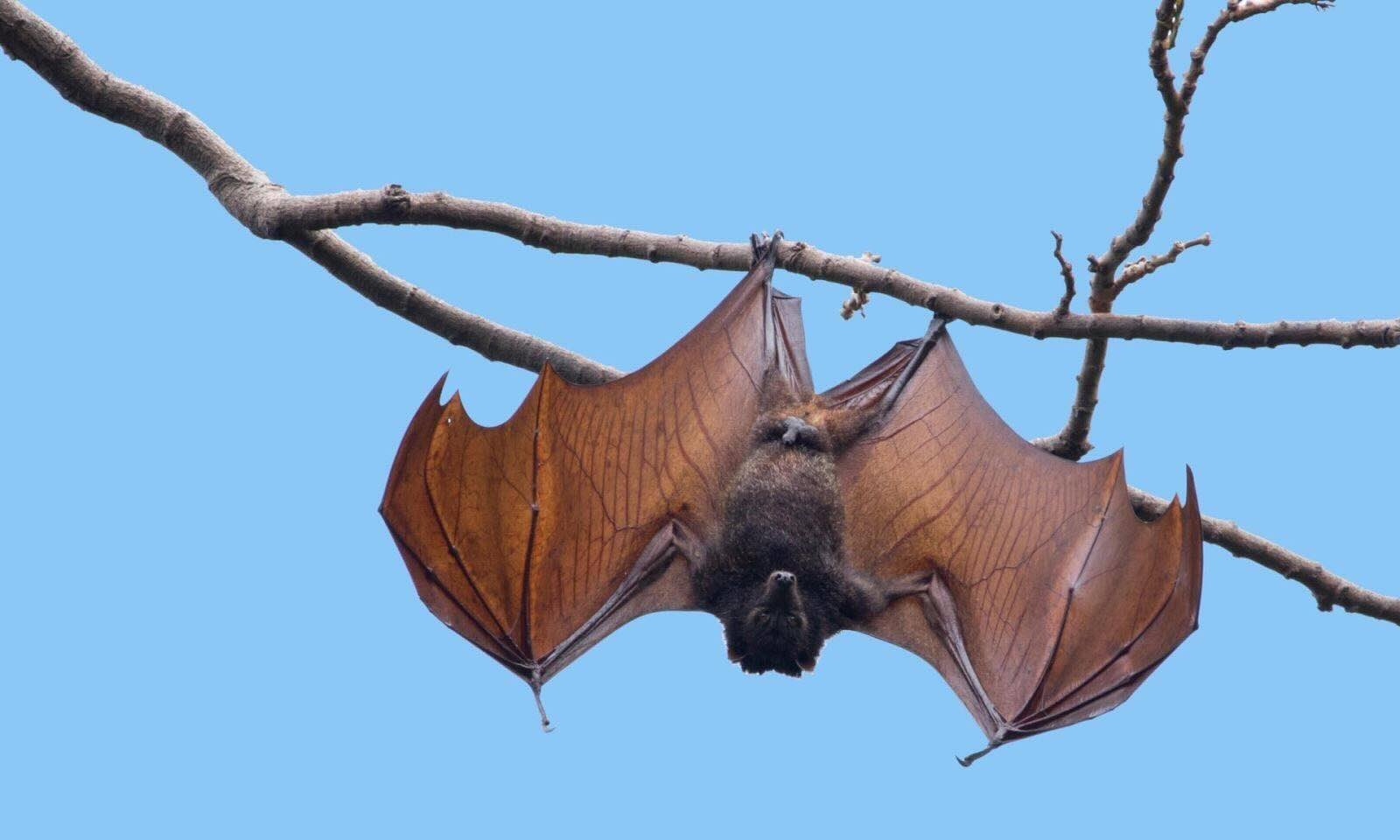
Seeing a bat during the day can spiritually symbolize transformation, heightened awareness, hidden truths coming to light, the end of an old cycle, and the beginning of a new phase. Bats are strongly associated with darkness, transition, and navigating what cannot easily be seen. When a bat appears in daylight instead of its more familiar nighttime setting, the encounter can take on an additional symbolic connection with revelation, clarity, and becoming aware of something previously hidden.
The meaning does not have to be negative. A daytime bat can represent a period when an old habit, relationship pattern, belief, or stage of life is ending so that something new can develop. It can also serve as a symbolic reminder to trust your intuition while paying closer attention to changes already taking place around you.
The specific interpretation depends on the circumstances of the encounter. A bat crossing your path can carry a different symbolic emphasis from one flying around you, appearing near your house, or showing up repeatedly. Your current circumstances also matter. Spiritual meanings are interpretations rather than predictions, so seeing a bat during the day does not guarantee that a particular event will occur.
What Does Seeing a Bat During the Day Mean Spiritually?
Seeing a bat during the day spiritually represents 5 main themes: transformation, revelation, intuition, endings, and new beginnings. The unusual timing of the encounter adds meaning to the symbolism traditionally associated with bats. Because bats are primarily associated with darkness and nighttime activity, seeing one in daylight creates a contrast between what is hidden and what is visible.
Transformation is the central spiritual meaning of a daytime bat encounter. The bat can symbolize movement from one state of life into another, particularly when an established pattern is ending. This transition can involve a relationship, career, personal identity, belief, or daily habit. The symbolism does not mean that change will happen automatically. Instead, the encounter can function as a point of reflection when change is already occurring or becoming necessary.
Hidden truths coming to light are another interpretation of seeing a bat during the day. Darkness symbolically represents what is unknown, concealed, ignored, or difficult to recognize, while daylight represents visibility and awareness. A bat appearing in daylight therefore creates a symbolic contrast between these two states. For example, someone who has been avoiding an uncomfortable relationship problem may interpret the encounter as a reminder to acknowledge what has already become apparent.
Heightened intuition is the third meaning associated with the encounter. Bats navigate effectively under conditions in which human vision is limited, which has contributed to their symbolic association with perception beyond what is immediately visible. In a spiritual context, this symbolism points toward paying attention to instincts, subtle changes, and information that has previously been overlooked. It does not mean that every instinct predicts what will happen; rather, intuition becomes one source of information to consider alongside observable facts.
The ending of an old cycle is the fourth interpretation. An ending can involve letting go of a behavior, belief, relationship dynamic, or identity that no longer fits the person’s current circumstances. In this context, the bat represents transition rather than loss alone. The emphasis is on recognizing that maintaining an outdated pattern can prevent movement into the next stage.
A new beginning is the fifth meaning. Endings and beginnings are connected because completing one phase creates space for another. Seeing a bat during daylight can therefore symbolize renewal after a period of uncertainty or change. A person leaving an unfulfilling job, for example, might interpret the encounter as a symbol of the transition between an established identity and a new professional direction.
Why Is Seeing a Bat During the Day Spiritually Significant?
Seeing a bat during the day is spiritually significant because daylight changes the symbolic context in which the bat appears. A bat encountered at night appears within the environment normally associated with it, while a daytime encounter creates an unusual contrast. Symbolically, that contrast connects darkness with daylight, the hidden with the visible, and uncertainty with awareness.
Daylight commonly represents visibility, clarity, and conscious awareness in spiritual symbolism. The bat, by contrast, is associated with darkness, navigation through uncertainty, transition, and things that remain outside immediate perception. When these two symbolic elements appear together, the encounter can represent something previously hidden becoming easier to recognize. This could involve an emotion that has been suppressed, a relationship pattern that has become obvious, or a decision that can no longer be postponed.
The significance can also involve stepping outside an established pattern. A daytime bat is encountered outside the setting people normally associate with bats, making disruption of routine part of the symbolic interpretation. For someone experiencing a major transition, this can mirror a period when familiar habits or expectations no longer provide the same direction. A career change, relocation, separation, or change in personal priorities are examples of circumstances in which this interpretation may feel relevant.
The daytime element does not make the encounter inherently supernatural or guarantee that a spiritual message has been delivered. Bats can appear during daylight for natural reasons, and the physical event itself does not prove a spiritual cause. Within spiritual practice, its significance comes from using the unusual encounter as a symbolic framework for examining transformation, awareness, and current life circumstances.
Does Seeing a Bat During the Day Symbolize Transformation?
Yes, transformation is one of the strongest symbolic interpretations of seeing a bat during the day. Bat symbolism is closely connected with transition from one state to another, while the daylight setting adds the idea that this transition is becoming visible or conscious. The combination can represent recognizing that an existing phase is ending and that adjustment is required.
Transformation does not necessarily mean a dramatic external event. It can occur through changes in identity, priorities, habits, relationships, or beliefs. For example, someone may remain in the same career while realizing that professional achievement is no longer their primary measure of success. The external circumstances have not changed yet, but the person’s relationship with those circumstances has. A daytime bat encounter can symbolically correspond with this type of internal transition.
The meaning becomes more relevant when a person is already experiencing a recognizable turning point. Starting or ending a relationship, changing careers, moving to a new place, abandoning a long-term habit, or reconsidering a deeply held belief are concrete examples. In each case, transformation involves both releasing an established pattern and adapting to an unfamiliar one.
Seeing the bat should therefore not be interpreted as a prediction that transformation is about to occur. The more useful spiritual interpretation is to examine what is already changing. If an old pattern is becoming difficult to maintain or a new direction is repeatedly demanding attention, the encounter can serve as a symbolic prompt to recognize that transition consciously rather than resist it.
Is Seeing a Bat During the Day a Good or Bad Omen?
Seeing a bat during the day is not inherently a good or bad omen. In spiritual interpretation, the encounter is better understood as a symbol of change, awareness, or transition. Whether that symbolism feels positive, cautionary, or neutral depends on what is happening in the person’s life when the encounter occurs.
A positive interpretation connects the daytime bat with growth, renewal, and greater awareness. The appearance of something associated with darkness in daylight can symbolize recognizing a truth that was previously difficult to see. For example, a person who has spent months questioning a career path may finally recognize which direction fits their priorities. In this context, the bat represents clarity emerging during a period of transition rather than an external event bringing good luck.
A cautionary interpretation focuses on something that requires attention. The encounter can symbolically reflect an ignored problem, repeated behavior, unresolved relationship issue, or decision that has been postponed. This does not mean that seeing a bat predicts misfortune. Instead, the warning interpretation encourages the observer to identify what is already creating tension or uncertainty and address it consciously.
The third interpretation is neutral transition. Change can involve discomfort without being either beneficial or harmful at the moment it begins. Moving to a new city, ending a familiar routine, or changing a long-held belief can create uncertainty even when the eventual outcome is constructive. For this reason, treating every daytime bat as either a blessing or a bad omen oversimplifies its symbolism. The stronger spiritual theme is transition and awareness rather than a prediction of good or bad events.
What Does It Mean When a Bat Flies Around You During the Day?
A bat flying around you during the day can spiritually symbolize a need for heightened awareness of your immediate circumstances. The important modifier in this encounter is proximity. Seeing a distant bat creates a general observation, while a bat moving close to you naturally directs more of your attention toward the encounter.
In symbolic interpretation, this proximity can represent an issue that has become difficult to ignore. The issue might involve a decision, emotional conflict, relationship pattern, or personal responsibility that repeatedly demands attention. For example, someone who continues postponing a necessary conversation may connect the repeated movement of the bat around them with the need to confront an unresolved situation.
The bat’s movement can also reinforce the symbolism of navigating uncertainty. Bats are associated symbolically with finding direction where visibility is limited. When one flies around you, this symbolism can relate to circumstances in which the final outcome is unclear but a decision still has to be made. The spiritual lesson is not to predict the outcome but to observe available information, recognize recurring patterns, and pay attention to intuition without abandoning practical judgment.
The physical behavior of the bat should still be separated from the spiritual interpretation. A bat flying near a person is not evidence that the animal has selected that person to deliver a message. Spiritual meaning comes from how the observer reflects on the encounter and connects its symbolism with current circumstances.
What Does It Mean When a Bat Crosses Your Path During the Day?
A bat crossing your path during the day can spiritually symbolize a change in direction, an approaching decision, or movement between two phases of life. The symbolic relationship comes from the idea of a path representing direction and the bat representing transition. When these elements occur together, the encounter can encourage reflection on where your current choices are leading.
This interpretation is particularly relevant during recognizable turning points. There are 4 common contexts in which the symbolism may resonate: changing careers, reconsidering a relationship, relocating, and changing a long-term personal goal. In each case, the individual is moving away from one established direction while deciding what should replace it.
Crossing your path can also symbolize interruption. An unexpected encounter briefly redirects attention from what you were doing toward something unusual. Spiritually, this can represent the need to reconsider an automatic decision or habitual direction. For example, a person preparing to accept a new opportunity may use the encounter as a prompt to examine whether the choice reflects genuine priorities or simply follows expectations established by other people.
The encounter does not mean that you should reverse your decision simply because a bat crossed your path. A symbolic sign is more useful as a prompt for reflection than as an instruction. Consider the decision you are currently facing, the information available to you, and whether fear or habit is preventing you from evaluating another direction.
What Does Seeing a Bat Near Your House During the Day Mean Spiritually?
Seeing a bat near your house during the day can spiritually symbolize transformation or increased awareness connected with your personal life, family, security, or boundaries. The house changes the context because a home commonly represents the private part of life rather than public identity.
The first interpretation concerns personal change. A bat appearing near the home can symbolically correspond with a shift happening within your private life, such as changing family responsibilities, developing new personal priorities, or leaving an old domestic routine behind. For example, someone preparing for a child, moving in with a partner, or adjusting after a family member leaves home may connect the encounter with a changing sense of stability and identity.
The second interpretation concerns boundaries. A house creates a physical distinction between personal space and the outside environment. In symbolic terms, seeing a bat near that boundary can encourage reflection on what you allow into your private life and what needs to remain outside it. This interpretation can apply when work is consuming personal time, another person’s demands are becoming intrusive, or a relationship lacks clear emotional boundaries.
The third interpretation concerns matters within the home that require greater awareness. Because the daytime bat combines symbolism associated with hidden things and visibility, the encounter may be interpreted as a reminder to recognize a family or personal issue that has been overlooked. Its spiritual meaning comes from the relationship between the bat, the location, and your circumstances rather than from the location alone.
What Does It Mean If You Keep Seeing Bats During the Day?
Repeatedly seeing bats during the day can spiritually symbolize a recurring theme of transformation, awareness, or unresolved change that continues to demand attention. The main difference between a single encounter and repeated sightings is frequency. One unusual encounter may prompt temporary reflection, while several encounters can encourage you to examine whether the same issue, decision, or emotional pattern keeps appearing in your life.
Repeated sightings can be particularly meaningful during an ongoing transition. For example, a person considering a major career change may repeatedly confront the same concerns about security, identity, and uncertainty. In this context, seeing bats several times can become a symbolic reminder of the transformation already occupying that person’s attention. The bats do not determine what decision should be made; instead, their repeated appearance can reinforce reflection on a theme that is already present.
Another interpretation involves patterns that have been recognized but not addressed. If you repeatedly encounter the same symbolic image while avoiding the same personal issue, the experience may encourage closer examination of that issue. This could involve maintaining an unhealthy boundary, postponing a necessary decision, repeating an unproductive habit, or resisting a change that has already begun.
Repeated daytime sightings also require a practical interpretation. Bats may repeatedly appear in the same area because of their roost, food sources, disturbance, seasonal behavior, or other environmental conditions. Frequency alone does not prove that the encounters carry a spiritual message. A balanced interpretation considers both the physical circumstances of the sightings and the personal meaning you associate with them.
What Does a Bat Symbolize Spiritually?
A bat spiritually symbolizes transformation, transition, intuition, adaptability, endings, renewal, and awareness of what is hidden. These meanings form the broader symbolic context behind interpretations of daytime bat encounters. Rather than representing one fixed message, the bat can reflect different aspects of moving through uncertainty and adapting to change.
Transformation and transition are central because bat symbolism frequently revolves around movement between different states. Spiritually, this can represent leaving an established identity, belief, habit, or stage of life and entering another. The transition does not have to involve a visible external change. A person can experience transformation through changing priorities, developing stronger boundaries, or reconsidering beliefs that previously shaped important decisions.
Intuition and hidden awareness form another part of bat symbolism. Bats are capable of navigating in darkness, creating a natural symbolic association with finding direction when ordinary visibility is limited. In spiritual interpretation, this characteristic can represent paying attention to information that is not immediately obvious. For example, subtle changes in someone’s behavior may provide useful information about a relationship before the underlying problem is openly discussed.
Endings and renewal are connected within the same symbolic cycle. An ending creates the conditions for a new phase to begin. Leaving an old role, abandoning an ineffective habit, or accepting that a relationship has changed can initially feel like loss while also creating space for a different direction. This is why bat symbolism does not need to be interpreted as a symbol of literal death or impending misfortune.
Adaptability adds a practical dimension to the symbolism. Transformation requires adjustment rather than simply recognizing that circumstances have changed. A person entering a new career, relationship, community, or stage of life must develop behaviors that fit the new situation. In this sense, the bat can symbolize the ability to move through unfamiliar conditions without having every part of the path visible in advance.
Does Bat Symbolism Have the Same Meaning in Every Culture?
No, bat symbolism does not have the same meaning in every culture or spiritual tradition. The meaning assigned to an animal depends on cultural beliefs, language, religious traditions, folklore, and the historical relationship between people and that animal. As a result, interpreting every bat encounter through a single universal spiritual meaning would ignore important differences between traditions.
Some symbolic systems connect bats with darkness, death, mystery, or the unknown because they are nocturnal animals associated with caves and nighttime activity. Within these contexts, the bat may represent confronting fear, entering an unfamiliar phase, or engaging with aspects of life that remain hidden. These associations also help explain why bats have acquired negative imagery in certain stories and forms of folklore.
Other traditions can give bats more favorable associations, including good fortune, longevity, happiness, or positive transformation. The contrast demonstrates an important principle of animal symbolism: the physical animal remains the same, but the symbolic meaning changes according to cultural context. A bat therefore should not automatically be classified as a bad omen simply because one tradition associates it with darkness.
Personal spiritual interpretation should account for this cultural context. If you follow a specific religious, spiritual, or ancestral tradition, its established symbolism provides a more relevant interpretive framework than combining unrelated beliefs from several cultures. If you do not follow a particular tradition, the encounter can instead be approached as a personal symbol connected with transformation, awareness, intuition, or the circumstances occurring in your life at the time.
Can Seeing a Bat During the Day Have a Non-Spiritual Explanation?
Yes. Seeing a bat during the day can have a natural explanation and does not automatically indicate a spiritual event. Spiritual symbolism describes how a person interprets an encounter, while the physical reason a bat appears in daylight belongs to a different context. Keeping these two explanations separate allows the encounter to have personal meaning without treating symbolism as proof of supernatural causation.
A daytime sighting is unusual because bats are generally associated with nighttime activity, but unusual does not mean supernatural. A bat may be active during daylight because its normal behavior or environment has been disrupted. The circumstances surrounding the sighting therefore matter. Seeing one bat briefly flying during the day is different from repeatedly finding a bat grounded, exposed, or behaving abnormally.
The location also provides useful context. A bat repeatedly appearing around the same building or property may have a physical connection with that environment rather than repeatedly returning as a spiritual sign. This is especially important when several sightings occur in one location. Repeated encounters can have both a practical explanation and a personal symbolic meaning; the two interpretations do not have to contradict each other.
A natural explanation also does not prevent someone from reflecting spiritually on the experience. A rainbow has a physical explanation but can still carry personal symbolism for someone who encounters it during an important moment. The same principle applies to a daytime bat. Its presence can have an ordinary physical cause while the timing of the experience prompts reflection about transformation, awareness, intuition, or change.
Practical safety should take priority when a bat appears unusually close, remains on the ground, enters a living space, or has direct contact with a person or pet. In those situations, the encounter should not be approached only as a spiritual sign. Avoid handling the bat with bare hands and seek appropriate local wildlife or public-health guidance when direct contact has occurred.
How Should You Interpret Seeing a Bat During the Day?
To interpret seeing a bat during the day spiritually, consider 4 factors: location, behavior, frequency, and your current personal circumstances. These factors provide more context than assigning the same meaning to every bat encounter. The goal is to identify which aspect of bat symbolism has the strongest relationship with what is already happening in your life.
First, consider the location. A bat near your home may direct your reflection toward family, security, boundaries, or private life, while an encounter during a journey may feel more connected with direction and transition. Location does not determine the meaning by itself, but it establishes the context in which the symbolism is interpreted.
Second, observe the bat’s behavior. A bat crossing your path can emphasize direction or decision-making, while one flying around you may place greater symbolic emphasis on attention and awareness. A bat that is simply visible at a distance provides less contextual information. The behavior changes the interpretation because it changes the relationship between you and the encounter.
Third, consider frequency. One sighting may simply become a memorable moment, while repeated sightings can encourage you to examine a recurring issue or transition. Ask whether the same concern has repeatedly occupied your attention. A recurring career decision, relationship conflict, boundary problem, or desire for personal change provides more useful interpretive context than assuming repetition automatically means the universe is sending a stronger message.
Fourth, examine your present circumstances. Ask what is ending, what is beginning, what has recently become clearer, and what change you may be resisting. For example, someone preparing to leave a long-term career may connect a daytime bat with transformation and new beginnings. Someone who has recently recognized an unhealthy relationship pattern may connect the same encounter with hidden truths becoming visible. The same symbol can carry different meanings because personal context changes the question being asked.
The most useful interpretation combines reflection with practical judgment. Seeing a bat during the day does not predict death, guarantee good fortune, or prove that a specific future event will occur. Instead, the encounter can serve as a symbolic prompt to examine transformation, awareness, intuition, endings, and new beginnings already present in your life. When one of these themes clearly matches your circumstances, it provides a stronger personal interpretation than relying on a universal good-or-bad omen.