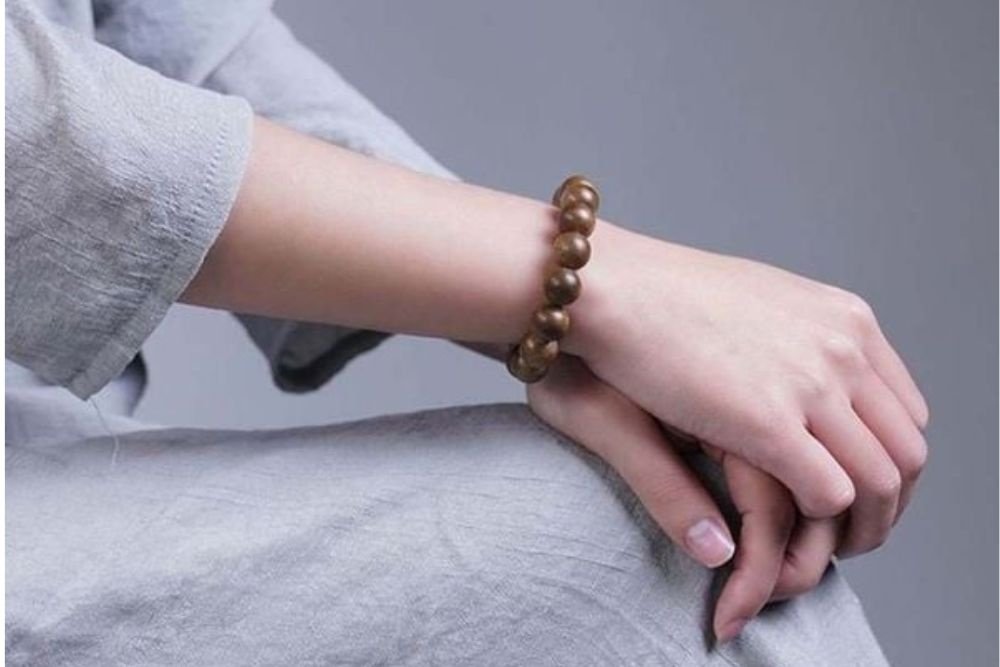
Bracelets can spiritually symbolize protection, intention, connection, healing, luck, and spiritual identity. Their exact meaning depends on factors such as the bracelet’s color, material, symbols, cultural or spiritual tradition, the wrist on which it is worn, and the intention associated with wearing it. A red string bracelet, for example, may represent protection in certain traditions, while a crystal bracelet may be worn as a symbol of a specific intention or spiritual practice.
The spiritual meaning of a bracelet is not universal. The same bracelet can carry different meanings across religions, spiritual traditions, cultures, and personal practices. Wearing a bracelet on the left wrist may be associated with receiving or inward-focused intentions in some belief systems, while the right wrist may represent giving, action, or outward expression. Colors and materials also add layers of symbolism, such as black for grounding, green for growth, or particular gemstones for intentions associated with them.
This guide explains bracelet spiritual meaning through its major symbolic elements, including wrist placement, colors, bracelet types, materials, personal intentions, and events such as a bracelet breaking. It distinguishes traditional or personal spiritual interpretations from claims that require scientific evidence, allowing each meaning to be understood within its appropriate context.
What Does a Bracelet Mean Spiritually?
A bracelet spiritually symbolizes protection, intention, connection, healing, luck, or spiritual identity, depending on the belief system and purpose associated with it. Because a bracelet is worn directly on the body and can remain there throughout the day, it often functions as a visible or personal reminder of a belief, promise, relationship, prayer, or spiritual intention. Its meaning comes from the symbolism assigned to the object rather than from the bracelet simply being jewelry.
There are 6 main spiritual meanings associated with bracelets. Protection bracelets are worn as symbols of safety from negative influences or misfortune. Intention bracelets represent a goal, prayer, affirmation, or commitment that the wearer wants to remember. Connection bracelets can symbolize a bond with another person, community, deity, spiritual tradition, or personal belief. Healing bracelets are associated with emotional, physical, or spiritual well-being within certain belief systems. Luck bracelets represent hopes for favorable circumstances, prosperity, or success. Spiritual identity bracelets indicate participation in or connection with a particular practice, tradition, or worldview.
The symbolism becomes more specific when the bracelet has recognizable attributes. Color, material, symbol, bracelet type, and wrist placement can modify its spiritual interpretation. For example, a red string bracelet is associated with protection in certain traditions, while an evil eye bracelet uses the eye symbol as a protective motif. A bracelet containing crystals or gemstones may instead represent intentions associated with those stones. These meanings are not interchangeable because each symbol can originate from a different cultural or spiritual context.
Bracelets work particularly well as spiritual symbols because they are wearable and repeatedly visible to the wearer. An intention bracelet, for example, can act as a physical reminder of a commitment whenever the wearer notices it on the wrist. In this context, the bracelet connects a physical object with an abstract concept such as protection, mindfulness, love, remembrance, or personal growth. The object therefore gains significance through belief, symbolism, ritual, tradition, or personal intention.
Not every bracelet has a spiritual meaning. A bracelet worn only as jewelry does not automatically become a spiritual object, and identical bracelets can have different meanings for different people. One person may wear a gemstone bracelet because of its spiritual associations, while another may choose the same bracelet solely for its appearance. Spiritual significance depends on the context and meaning attributed to the bracelet by the wearer or the tradition connected to it.
This distinction is important because spiritual symbolism should not automatically be treated as a scientifically established effect. A bracelet can carry genuine religious, cultural, symbolic, or personal significance without proving that it produces a particular supernatural or physical result. Understanding bracelet spiritual meaning therefore requires examining both the bracelet itself and the belief, tradition, or intention that gives it meaning.
What Does Wearing a Bracelet on Your Left Wrist Mean Spiritually?
Wearing a bracelet on the left wrist is associated with receiving, inward-focused energy, intuition, emotional awareness, and protection in some spiritual belief systems. Under this interpretation, the left side represents what a person allows into their inner experience rather than what they express outwardly. A spiritual bracelet worn on this wrist may therefore symbolize an intention to receive support, cultivate inner qualities, or maintain a personal reminder of protection.
The receiving interpretation makes the left wrist a common symbolic choice for bracelets connected with inward intentions. For example, someone using a bracelet as a reminder to develop compassion, emotional balance, self-awareness, or receptivity may choose the left wrist because those goals concern internal experience. A protection bracelet may similarly be placed there when the wearer understands protection as preventing unwanted influences from entering their personal or spiritual space.
A protection bracelet does not universally have to be worn on the left wrist. Wrist-placement rules vary among traditions, practices, and bracelet types. A particular religious or cultural tradition may prescribe a specific wrist, while a personal spiritual practice may allow either side. The meaning of the bracelet should therefore be interpreted according to its original tradition before applying a general left-wrist symbolism to it.
Personal intention also changes the interpretation. Two people can wear visually identical bracelets on their left wrists while assigning different meanings to them. One may use the bracelet as a symbol of protection, while another may associate it with receiving love or maintaining emotional awareness. In both cases, the left wrist provides an additional symbolic layer rather than determining the entire meaning of the bracelet.
What Does Wearing a Bracelet on Your Right Wrist Mean Spiritually?
Wearing a bracelet on the right wrist can symbolize giving, action, outward expression, and the projection of personal intentions in some spiritual belief systems. While the left wrist is often interpreted as the receiving or inward-facing side, the right wrist is associated with how a person acts on intentions and expresses them toward the outside world. A bracelet worn there can therefore serve as a symbol of action, generosity, confidence, or commitment to a specific spiritual goal.
The right wrist is especially relevant when the bracelet represents something the wearer wants to actively express rather than receive. For example, a person may wear a symbolic bracelet on the right wrist as a reminder to practice compassion toward others, communicate more openly, or take consistent action toward a personal intention. In this interpretation, the bracelet does not create the action; it functions as a physical symbol that keeps the intention present during everyday activities.
The right wrist can also represent giving or releasing in spiritual practices that distinguish between receiving and outgoing energy. Under this symbolic framework, wearing a bracelet on the right side may represent sharing love, offering support, expressing gratitude, releasing an unwanted pattern, or directing attention toward an external goal. The interpretation depends on the practice being followed because left-versus-right symbolism is not identical across all religions, cultures, or spiritual traditions.
Choosing between the left and right wrist should therefore begin with the bracelet’s specific tradition and intended meaning. The left wrist generally represents receiving and inward intention in belief systems that use this distinction, while the right wrist represents giving and outward action. Someone focused on receiving emotional support may prefer the left wrist, for example, whereas someone using a bracelet as a reminder to express kindness may choose the right.
There is no universal spiritual rule requiring every bracelet to be worn on one particular wrist. Some bracelets have tradition-specific placement practices, while others are used according to personal intention. For this reason, wrist placement should be treated as one component of bracelet symbolism alongside color, material, symbol, tradition, and personal meaning, rather than as a rule that determines spiritual significance by itself.
What Do Different Bracelet Colors Mean Spiritually?
Bracelet colors can represent different spiritual intentions, with common associations including red for protection, black for grounding, white for purity, blue for calm, green for growth, yellow for confidence, purple for spirituality, and pink for love. These associations provide an additional symbolic layer to a bracelet, but their exact meanings depend on cultural traditions, spiritual practices, and personal interpretation.
There are 8 common bracelet color meanings used in contemporary spiritual symbolism:
Red bracelets symbolize protection, vitality, and courage. Red is strongly associated with life, physical energy, strength, and action because of its visual connection with blood, fire, and intensity. A person may therefore choose a red bracelet to represent courage during a difficult period or as a protection symbol. Red string bracelets also have specific meanings within certain religious and cultural traditions, so their symbolism should not be reduced to color alone.
Black bracelets symbolize grounding, protection, and boundaries. Black is frequently associated with absorbing, blocking, or separating unwanted influences in modern spiritual practices. A black bracelet may consequently represent the wearer’s intention to establish emotional boundaries or remain grounded. Claims that a black bracelet literally absorbs negative energy, however, belong to spiritual belief rather than established scientific evidence.
White bracelets symbolize purity, peace, clarity, and new beginnings. White commonly represents cleanliness and simplicity, making it suitable for intentions centered on inner peace, spiritual clarity, or starting a new stage of life. For example, someone beginning a meditation practice might use a white bracelet as a personal reminder to return to a calm and clear mental state.
Blue bracelets symbolize calm, communication, truth, and emotional stability. Blue’s associations with the sky and water contribute to its symbolism of openness and tranquility. A blue bracelet can represent an intention to communicate honestly, remain composed during difficult conversations, or cultivate emotional calm.
Green bracelets symbolize growth, abundance, renewal, and connection with nature. Green has a direct visual association with plants and natural growth, which supports its symbolic connection with development and renewal. A green bracelet may represent personal growth, prosperity, a new opportunity, or a desire to strengthen one’s relationship with nature.
Yellow bracelets symbolize optimism, confidence, mental clarity, and personal power. The brightness of yellow contributes to associations with sunlight, energy, and positivity. Someone may wear a yellow bracelet as a reminder to approach decisions confidently or maintain an optimistic attitude while pursuing a goal.
Purple bracelets symbolize spirituality, intuition, contemplation, and inner awareness. Purple has long acquired religious, ceremonial, and symbolic associations in different cultures. In contemporary spiritual contexts, it is frequently connected with introspection and spiritual development. A purple bracelet can therefore represent meditation, intuitive awareness, or commitment to a spiritual practice.
Pink bracelets symbolize love, compassion, affection, and emotional connection. Unlike red, which can emphasize vitality and intensity, pink is generally associated with gentler expressions of love and care. A pink bracelet may symbolize self-compassion, romantic affection, friendship, or an intention to approach relationships with greater kindness.
Color alone does not determine a bracelet’s complete spiritual meaning. A red string bracelet connected with a particular tradition, for example, carries more contextual meaning than the general symbolism of the color red. Similarly, a pink rose quartz bracelet combines the symbolic associations attributed to pink with those attributed to rose quartz. The most accurate interpretation therefore considers color, bracelet type, material, symbol, tradition, and the wearer’s intention together.
What Do Different Types of Bracelets Mean Spiritually?
Different types of spiritual bracelets can symbolize protection, intention, balance, connection, healing, or remembrance, depending on their symbols, materials, and traditions. Five common types are red string bracelets, evil eye bracelets, chakra bracelets, crystal bracelets, and beaded or charm bracelets. Their meanings should be interpreted individually because each type can originate from a different religious, cultural, or contemporary spiritual context.
Red string bracelets commonly symbolize protection, connection, and intention. The red string appears in more than one religious and cultural tradition, so there is no single meaning that applies to every red bracelet. In some practices, the string is associated with protection from harmful influences; in others, it represents a spiritual bond, blessing, promise, or intention. The meaning can also depend on who ties the bracelet, which wrist receives it, and whether a ritual accompanies the act of wearing it.
Evil eye bracelets primarily symbolize protection against the evil eye. The evil eye refers to an ancient belief that an envious or harmful gaze can bring misfortune to another person. Wearing an eye-shaped symbol is consequently understood as a protective practice in cultures where this belief exists. The bracelet’s spiritual significance comes from this protective symbolism, although wearing one should not be presented as scientifically proven to prevent misfortune or harmful energy.
Chakra bracelets symbolize balance and awareness of the chakra system. They commonly contain several colored beads corresponding to chakras used within particular spiritual and yogic frameworks. A wearer may use the bracelet during meditation or as a visual reminder to focus on areas such as grounding, emotional awareness, communication, or spiritual reflection. Its meaning therefore comes from its relationship with chakra symbolism rather than from the colored beads alone.
Crystal bracelets symbolize intentions associated with the gemstones they contain. Different stones are assigned different meanings in crystal-based spiritual practices. Rose quartz, for example, is commonly associated with love and compassion, while amethyst is associated with spiritual awareness and calm. Clear quartz is frequently connected with clarity or intention. These associations describe spiritual and symbolic beliefs; they do not establish that gemstones medically heal the body or produce scientifically verified changes in human energy.
Beaded and charm bracelets derive their spiritual meanings from the individual beads, charms, symbols, or memories attached to them. A bracelet containing a cross, lotus, moon, religious symbol, protective symbol, or meaningful gemstone can communicate a more specific belief than an undecorated bracelet. Personal charms can also represent people, places, milestones, prayers, or promises. As a result, two visually similar charm bracelets may carry entirely different spiritual meanings for their wearers.
Bracelet type is therefore only one part of the interpretation. The clearest spiritual meaning comes from considering the bracelet’s type, symbol, material, color, cultural context, and intended purpose together. This approach also prevents symbols from separate traditions from being treated as though they have the same origin or meaning.
Does the Material of a Bracelet Change Its Spiritual Meaning?
Yes, the material can change the spiritual meaning attributed to a bracelet within symbolic and spiritual belief systems. Crystal, metal, wood, beads, and string carry different associations, while the bracelet’s color, symbols, and intended purpose can further modify the interpretation. Material is therefore best understood as one layer of meaning rather than a complete definition of the bracelet.
Crystal and gemstone bracelets are generally interpreted according to the symbolic properties assigned to their stones. A rose quartz bracelet may represent love or compassion, while an amethyst bracelet may represent contemplation or spiritual awareness. A bracelet containing several gemstones can combine multiple intentions. These interpretations belong to crystal and spiritual practices and should be distinguished from medical claims about treating diseases or physical conditions.
Metal bracelets can symbolize strength, durability, value, commitment, or spiritual identity. Their meaning may also depend on the specific metal and the tradition in which it is used. Gold, for example, can be associated with value, light, status, or sacred objects in different cultural and religious contexts, while silver can carry different symbolic associations. A religious symbol attached to the metal bracelet can be more important to its meaning than the metal itself.
Wooden bracelets can symbolize nature, simplicity, grounding, or connection with a spiritual practice. Wooden beads are used in various forms of prayer and meditation jewelry, where the beads can support repetitive practices such as counting prayers, recitations, or mantras. In these cases, the spiritual significance comes from both the natural material and the function assigned to the beads.
String bracelets often represent intention, connection, vows, blessings, or protection. Their physical simplicity allows the act of tying or receiving the string to become an important part of the symbolism. For example, a string tied during a religious, cultural, or personal ritual may represent a commitment that remains symbolically present for as long as the bracelet is worn.
Beads can carry meaning through their number, material, color, arrangement, or use in a specific practice. Prayer beads provide a clear example because the physical beads can help structure repeated prayers or contemplative actions. Decorative beads, by contrast, do not automatically acquire spiritual significance merely because they appear in bracelet form.
The complete interpretation can therefore be expressed as material + color + symbol + tradition + intention = contextual spiritual meaning. A black gemstone bracelet used for protection, for example, combines the symbolism assigned to its stone and color with the wearer’s protective intention. Changing one of these attributes can change the interpretation even when the basic bracelet design remains similar.
What Does It Mean Spiritually When a Bracelet Breaks?
A bracelet breaking can spiritually symbolize completion, transition, release, or the end of an intention, depending on the belief system and personal meaning attached to the bracelet. Some spiritual practices also interpret a broken protection bracelet as a sign that its symbolic purpose has been fulfilled. These interpretations describe spiritual beliefs rather than a universal rule about what a broken bracelet means.
Completion is one common interpretation when a bracelet was worn for a specific intention. A person may associate a bracelet with a period of healing, personal growth, protection, or commitment. If the bracelet breaks after that period, the wearer may interpret the event as marking the completion of that intention. For example, someone who wore an intention bracelet throughout a difficult life transition may view its breaking as a symbolic end to that stage.
Transition and release provide a second interpretation. Because a bracelet can represent a relationship, identity, habit, or spiritual commitment, losing or breaking it may be understood as a signal to release what it represented. This interpretation does not mean the physical break caused the transition. Instead, the event can provide a symbolic moment through which the wearer reflects on a change that is already occurring.
Protection bracelets have an additional interpretation in certain spiritual beliefs. A broken protection bracelet may be understood as having completed its protective role or as symbolically representing protection from an unwanted influence. This idea is especially common in discussions surrounding protective strings, amulets, and similar spiritual objects. However, a broken bracelet does not provide objective evidence that it absorbed negative energy or prevented a harmful event.
Physical explanations should also be considered before assigning spiritual significance. Bracelets break because of worn string, weakened clasps, stretched elastic, impact, moisture, repeated movement, and deterioration of materials. A bracelet worn every day naturally experiences more mechanical stress than one worn occasionally. A physical cause and a personal spiritual interpretation can also exist at the same time: the bracelet may break because its material failed while the wearer still chooses to treat the event as symbolically meaningful.
What to do with a broken bracelet consequently depends on its significance. A person may repair it if the original intention remains important, keep part of it as a reminder, respectfully dispose of it according to a particular tradition, or stop wearing it to mark the end of that intention. The bracelet’s original tradition should take priority when that tradition provides specific instructions for broken spiritual objects.
What Does It Mean When Someone Gives You a Bracelet Spiritually?
Receiving a bracelet as a gift can spiritually symbolize connection, commitment, protection, friendship, remembrance, or a shared intention. The specific meaning depends on the relationship between the giver and recipient, the type of bracelet, its symbols, and the intention behind the gift. A bracelet given deliberately as a spiritual object therefore carries more contextual meaning than a bracelet given solely as decorative jewelry.
There are 6 common symbolic meanings associated with receiving a bracelet. Connection represents the continuing bond between two people. Commitment can represent a promise, shared value, or relationship. Protection occurs when the giver intentionally chooses a protective symbol for the recipient. Friendship represents affection and loyalty. Remembrance allows the bracelet to represent a person, event, or period of life. Shared intention connects both people to a prayer, goal, belief, or spiritual practice.
The giver’s intention is one of the strongest clues to the bracelet’s meaning. A friend who gives a bracelet before a major life change may intend it as a reminder of friendship and support. A family member may choose a bracelet containing a meaningful religious symbol as an expression of faith or protection. A partner may give one to symbolize affection or commitment. The same physical object therefore develops different meanings according to the relationship and circumstances surrounding the gift.
The bracelet’s design can make that intention more specific. Symbols, colors, gemstones, charms, and inscriptions can add identifiable layers of meaning. A heart charm may emphasize love or affection, for example, while a protective symbol can communicate a wish for safety. A bracelet containing a birthstone or personalized charm may focus more strongly on identity, remembrance, or a particular relationship.
Receiving a spiritual bracelet does not require the recipient to adopt every belief associated with it. A person can value a bracelet as a symbol of another person’s love, blessing, or intention without believing that the object itself possesses supernatural power. In this case, its spiritual significance comes primarily from human connection, memory, ritual, and the meaning assigned to the gift.
A bracelet received through a specific religious or cultural practice should be interpreted within that practice rather than through generic spiritual symbolism. This distinction prevents traditions with different beliefs from being combined into a single universal explanation. Context determines whether a gifted bracelet represents protection, faith, friendship, commitment, remembrance, or another spiritual meaning.
How Do You Choose a Bracelet for Your Spiritual Intention?
Choose a spiritual bracelet by defining your intention first, then matching that intention with an appropriate symbol, color, material, and spiritual tradition. The bracelet should represent a specific purpose that matters to you rather than being selected only because a particular stone or color is described as “spiritual.” Protection, love, luck, abundance, grounding, and spiritual growth are 6 common intentions that can guide the choice.
For protection, bracelets containing established protective symbols are the most contextually relevant choices. Evil eye bracelets and red string bracelets, for example, are associated with protection within particular cultural or spiritual traditions. Black bracelets are also connected with protection and grounding in contemporary spiritual symbolism. These options do not all originate from the same tradition, so their meanings should remain distinct rather than being treated as interchangeable protective objects.
For love and emotional connection, choose symbolism associated with affection, compassion, or relationships. Pink bracelets commonly represent love and gentleness, while rose quartz bracelets are associated with love and compassion in contemporary crystal practices. A bracelet received from a partner, family member, or friend can carry an additional layer of meaning because the relationship itself becomes part of its symbolism.
For luck and abundance, choose a bracelet whose color, material, or symbol represents favorable circumstances, prosperity, or growth within the practice you follow. Green, for example, is commonly associated with growth and abundance. A symbolic charm may also represent good fortune within a particular cultural tradition. The relevant meaning comes from the symbol and its context rather than from a universal rule that one bracelet guarantees luck.
For grounding, the bracelet should represent stability, presence, or connection with the physical world. Black and natural materials are commonly used for this intention in contemporary spiritual practices. Wooden bracelets can also represent simplicity and connection with nature. The bracelet can then serve as a physical reminder to return attention to the present during stressful or distracting situations.
For spiritual growth, choose symbolism that supports the practice you already follow. Purple bracelets may represent spirituality or introspection, while chakra bracelets can be used as reminders of chakra-based practices. Prayer or meditation bracelets can have a more specific function by helping structure repeated prayers, recitations, or contemplative exercises.
Personal intention should not override the original context of culturally or religiously specific symbols. Learn what a bracelet means within its originating tradition before assigning it a new personal interpretation. This is particularly important for religious symbols, protective amulets, red strings, prayer beads, and other objects whose meanings extend beyond general color symbolism.
A practical selection process therefore follows 4 steps: define the intention, identify appropriate symbolism, understand its cultural or spiritual context, and choose how the bracelet will support your practice. For example, someone seeking a daily reminder to practice compassion might choose a symbol personally associated with compassion and consciously connect it with that intention each time the bracelet is noticed.
Can You Wear More Than One Spiritual Bracelet at the Same Time?
Yes, you can wear more than one spiritual bracelet at the same time unless a specific religious tradition or spiritual practice provides different guidance. Wearing several bracelets can represent multiple intentions, relationships, beliefs, or practices. There is no universal spiritual rule establishing that two symbolic bracelets automatically conflict with each other.
The clearest approach is to combine bracelets whose meanings you understand. A person might wear one bracelet representing protection and another representing compassion, for example. Another person might combine a gifted bracelet representing friendship with a personal intention bracelet. In both cases, each bracelet retains a distinct purpose instead of becoming part of an undefined collection of spiritual objects.
Three factors should guide a combination: intention, tradition, and personal meaning. Intention determines what each bracelet represents. Tradition determines whether a specific object has rules concerning placement, handling, or combination with other objects. Personal meaning determines why wearing the bracelets together is relevant to the individual. Considering all three prevents general spiritual advice from overriding the requirements of a specific practice.
Claims about incompatible bracelet “energies” should be treated according to the belief system from which they come. There is no general scientific basis for stating that two bracelets physically create conflicting spiritual energies when worn together. If a particular spiritual system teaches specific combinations, those rules can be followed within that system rather than presented as universal facts.
Wearing several bracelets can also reduce their symbolic usefulness if the wearer no longer remembers what each one represents. A spiritual bracelet works most clearly as a personal symbol when its purpose remains identifiable. Choosing two meaningful bracelets with distinct intentions, for example, may provide a clearer personal practice than wearing ten bracelets without understanding their symbols or origins.
Does a Spiritual Bracelet Have Power on Its Own?
A spiritual bracelet does not have scientifically established supernatural power on its own. Its spiritual significance comes from the belief system, cultural or religious tradition, symbolism, ritual, and personal intention associated with it. A bracelet can therefore have substantial spiritual or personal meaning without its claimed supernatural effects being scientifically demonstrated.
There are 5 main sources of meaning behind a spiritual bracelet: tradition, symbolism, intention, ritual, and personal association. Tradition provides an established context for interpreting an object. Symbolism connects elements such as colors, materials, and charms with particular concepts. Intention defines what the wearer wants the bracelet to represent. Ritual can mark the bracelet as part of a spiritual practice. Personal association connects the object with an individual experience, relationship, memory, or commitment.
Tradition can give a bracelet meaning that extends beyond the individual wearer. A protective string, prayer bracelet, or symbolic amulet may have established interpretations within a particular religious or cultural practice. In such cases, understanding the bracelet requires examining the tradition that uses it. Applying a generic interpretation such as “positive energy” can remove important context and inaccurately combine beliefs that have different origins.
Personal intention gives a bracelet an individual layer of spiritual meaning. Someone may wear a bracelet to remember a commitment to compassion, maintain awareness during meditation, commemorate an important relationship, or represent a period of personal growth. Each time the wearer sees or touches the bracelet, the object can function as a reminder of that intention. The significance comes from the relationship between the object and the person’s practice rather than from the physical bracelet alone.
Ritual can strengthen this symbolic role. A bracelet may be received during a ceremony, tied while making an intention, used during prayer or meditation, or given by someone important to the wearer. These actions create a specific context around the object. For example, a simple string received during a meaningful spiritual ceremony may carry greater significance for its wearer than an expensive gemstone bracelet purchased without any spiritual purpose.
Spiritual meaning and scientifically demonstrated effects should remain separate concepts. Statements that a bracelet symbolizes protection, healing, balance, or luck describe beliefs and symbolic associations. Statements that a bracelet can cure an illness, physically alter the body’s energy, or guarantee protection require evidence beyond spiritual tradition. This distinction allows spiritual symbolism to be discussed without presenting belief-based claims as scientific facts.
The meaning of a bracelet ultimately comes from the relationship between the object, its symbolism, its tradition, and the person wearing it. For one person, a bracelet may simply be jewelry. For another, the same object may represent protection, faith, remembrance, love, or a commitment practiced every day. This context explains why bracelet spiritual meaning can vary substantially even when two bracelets look identical.