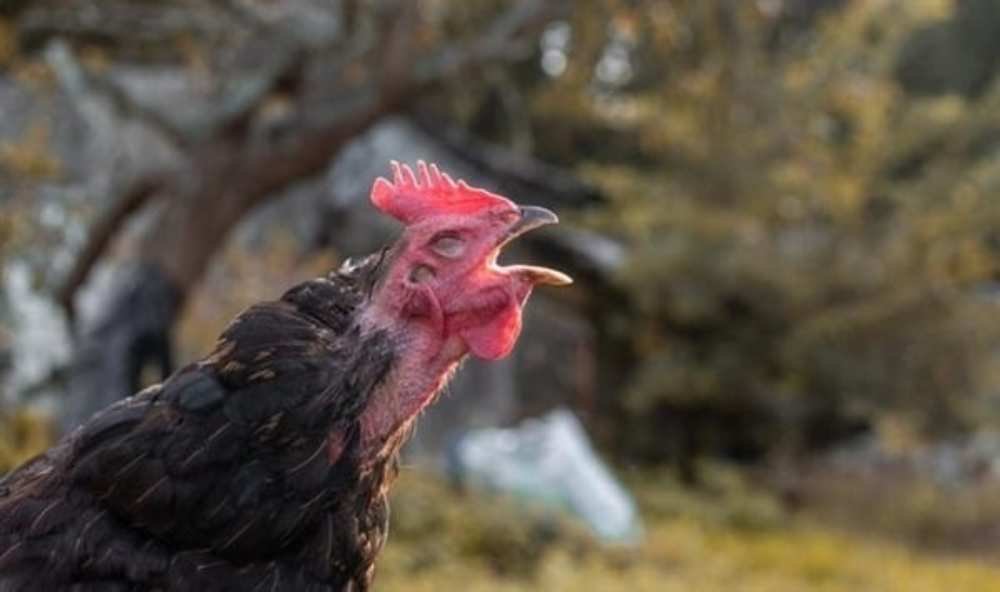
Guinea fowl spiritual meaning centers on vigilance, protection, community, communication, and personal boundaries. The bird’s alert nature, loud calls, and tendency to move in groups provide the behavioral foundation for these symbolic interpretations. Spiritually, encountering a guinea fowl can therefore serve as a reminder to notice what is happening around you, protect what matters, communicate clearly, and recognize the value of support from others.
The meaning of a guinea fowl encounter depends on its context. Seeing a single bird can draw attention to independence or awareness, while encountering a flock can emphasize cooperation and collective strength. A guinea fowl repeatedly appearing around your home may also invite reflection on security, family relationships, or personal boundaries. These meanings should be treated as symbolic interpretations rather than fixed predictions or universal spiritual rules.
Guinea fowl symbolism can also vary across cultural traditions, dreams, and personal experiences. Examining the bird’s behavior alongside the circumstances of an encounter provides a more useful interpretation than assigning one meaning to every sighting. This guide explores guinea fowl symbolism, spiritual messages, encounters, omens, dreams, cultural associations, and the behavioral traits behind these interpretations.
What Is the Spiritual Meaning of a Guinea Fowl?
The spiritual meaning of a guinea fowl centers on vigilance, protection, community, communication, and maintaining healthy boundaries. These meanings reflect the bird’s recognizable behaviors: guinea fowl remain attentive to changes around them, produce loud calls when disturbed, and commonly stay close to other members of their flock. In spiritual interpretation, these characteristics turn the guinea fowl into a symbol of staying aware while maintaining strong connections with others.
Vigilance is one of the strongest themes associated with guinea fowl symbolism. Guinea fowl respond noticeably to unfamiliar movement, sounds, animals, or changes in their surroundings. Symbolically, this behavior represents the importance of paying attention before acting. Seeing a guinea fowl can therefore be interpreted as a reminder to notice details, recognize changes in a situation, and avoid ignoring warning signs that are already visible.
Protection is another important spiritual meaning of the guinea fowl. Its alert behavior and vocal responses can function as an early warning within a group. In a spiritual context, protection does not necessarily predict approaching danger. Instead, the symbolism emphasizes preparedness: protect your personal space, recognize potential problems early, and respond before those problems become more difficult to manage.
Guinea fowl also represent community because they are strongly associated with group behavior. A flock creates a symbolic connection between individual awareness and collective support. The spiritual message is not simply to depend on others, but to recognize when cooperation provides greater security or strength than acting alone. This symbolism can apply to families, friendships, partnerships, or other communities where members share information and support one another.
What Does a Guinea Fowl Symbolize?
A guinea fowl symbolizes five primary qualities: vigilance, protection, community, communication, and personal boundaries. These qualities are interconnected rather than separate meanings. Awareness helps identify potential problems, communication allows that information to be shared, boundaries protect what matters, and community provides collective support.
Vigilance and awareness are represented by the guinea fowl’s attentiveness to its environment. Spiritually, vigilance means remaining conscious of what is changing around you instead of moving through a situation without observing it. This symbolism becomes particularly relevant during periods of uncertainty, when small changes in relationships, work, or personal circumstances may require attention.
Protection represents the ability to recognize and respond to potential threats. The guinea fowl’s symbolic lesson is therefore proactive rather than fearful. Protection can mean defending your time from unnecessary demands, protecting emotional well-being in a difficult relationship, or paying closer attention to an environment that does not feel secure. The central theme is awareness followed by an appropriate response.
Community and cooperation come from the guinea fowl’s social nature and flock behavior. A group of guinea fowl can symbolically represent the strength created when individuals remain connected while contributing to the security of the whole group. For a person interpreting this symbolism, the message may involve accepting support, participating more actively in a community, or recognizing that independence does not require isolation.
Communication is associated with the guinea fowl because vocalization is one of its most noticeable characteristics. In spiritual symbolism, its conspicuous calls can represent speaking clearly when something needs attention. This interpretation can apply when a person has noticed a problem but has remained silent, when expectations need to be communicated, or when information needs to be shared with people who will be affected by it.
Personal boundaries combine the guinea fowl’s themes of vigilance and protection. Healthy boundaries define what behavior, responsibilities, and demands a person is willing to accept. In this context, guinea fowl symbolism can serve as a reminder to identify where a boundary has become unclear and communicate it rather than allowing frustration to accumulate. The symbolism emphasizes awareness and clear action rather than defensiveness or withdrawal.
What Spiritual Messages Can a Guinea Fowl Represent?
A guinea fowl can represent five spiritual messages: stay alert, protect your boundaries, communicate clearly, value your community, and balance independence with cooperation. These messages come from symbolic interpretations of the bird’s alertness, vocal behavior, social structure, and responses to changes in its surroundings. The message that matters most depends on what the guinea fowl was doing and what was happening in your life when you noticed it.
The first message is to pay closer attention to your surroundings. Guinea fowl symbolism emphasizes vigilance rather than fear. If you have been overlooking changes in a relationship, postponing an important decision, or ignoring information that deserves attention, an encounter with this bird can symbolically prompt greater awareness. The practical lesson is to observe before reacting and distinguish genuine warning signs from assumptions.
The second message is to protect your personal boundaries. Protection in guinea fowl symbolism concerns recognizing what deserves access to your time, attention, energy, and personal space. For example, repeatedly accepting responsibilities that belong to someone else can indicate a boundary that needs clarification. In this interpretation, the guinea fowl represents recognizing the intrusion and communicating a limit instead of silently tolerating it.
The third message is to communicate when something needs attention. Guinea fowl are conspicuous vocal birds, making communication a natural symbolic theme. Spiritually, their calls can represent the need to voice a concern, share important information, or make your position understood. The message is especially relevant when silence allows an avoidable misunderstanding or unresolved problem to continue.
The fourth message is to recognize the strength of community. Guinea fowl are commonly associated with flock behavior, which creates a symbolic connection with cooperation and collective awareness. This message can apply when excessive self-reliance prevents you from accepting useful support. Asking family members for help during a difficult period or collaborating with others on a shared problem reflects the community aspect of guinea fowl symbolism.
The fifth message is to remain individual without becoming isolated. Community does not require surrendering independence. Guinea fowl symbolism combines awareness of the individual with participation in a group, creating a useful spiritual theme of interdependence. The message is to preserve your judgment and boundaries while recognizing when connection, communication, and cooperation provide greater strength.
What Does Seeing a Guinea Fowl Mean Spiritually?
Seeing a guinea fowl spiritually means that themes of awareness, protection, communication, or community may deserve your attention. The encounter does not have one fixed meaning because its interpretation changes according to the bird’s behavior, the location of the encounter, your emotional response, and your current circumstances.
A calm guinea fowl may invite a different interpretation from a bird calling loudly or reacting to something nearby. A solitary bird can place greater symbolic emphasis on independence and individual awareness, while several guinea fowl together strengthen themes of community and collective vigilance. Context therefore provides more information than the sighting alone.
Your response to the encounter also matters. Feeling unusually attentive may connect the experience with awareness, while immediately thinking about family or relationships may make community symbolism more personally relevant. These associations do not prove that the encounter carries an external supernatural message. They provide a framework for using animal symbolism as a form of reflection.
What Does It Mean When a Guinea Fowl Crosses Your Path?
A guinea fowl crossing your path can symbolize a need to stop, observe, and pay attention before moving forward. Crossing-path symbolism creates an interruption: something enters your immediate direction and temporarily becomes the focus of your awareness. Combined with the guinea fowl’s association with vigilance, the encounter can represent the value of noticing information before taking your next step.
This interpretation is particularly relevant when you are already facing a decision or changing circumstances. For example, someone considering a major commitment may use the encounter as a prompt to review details that have received insufficient attention. The symbolic message is not that the guinea fowl predicts whether the decision will succeed or fail. It is that careful observation should precede action.
The bird’s behavior can refine the interpretation. A guinea fowl that simply crosses the path supports a general awareness theme, while conspicuous calling or agitation may strengthen the symbolic idea of a warning that deserves examination. The appropriate response is reflection rather than assuming that an unfavorable event is certain to occur.
What Does It Mean When You Keep Seeing Guinea Fowl?
Repeatedly seeing guinea fowl can symbolize a recurring theme that has not yet received enough attention. Within spiritual interpretation, repetition increases the prominence of the symbol rather than automatically proving that a supernatural message is being delivered. The recurring theme may concern vigilance, boundaries, communication, community, or another meaning associated with the circumstances of the sightings.
Patterns provide the most useful context for interpreting repeated encounters. Notice whether the guinea fowl repeatedly appears in the same place, whether it is alone or in a flock, what it is doing, and what thoughts or situations consistently surround the encounters. For example, repeated sightings near home may make themes of family, security, or personal boundaries more relevant than themes connected with work or independence.
Repeated encounters can also have ordinary environmental explanations. Guinea fowl may inhabit or regularly travel through the area where you live or work. Spiritual interpretation does not require ignoring this practical explanation. Instead, the repeated sighting can function as a personal symbol if its themes provide a useful framework for reflecting on a situation already present in your life.
What Does Seeing a Flock of Guinea Fowl Mean Spiritually?
Seeing a flock of guinea fowl can spiritually symbolize community, cooperation, collective awareness, and strength through connection. The flock adds an important dimension to guinea fowl symbolism because the message shifts from individual vigilance toward the way people protect, inform, and support one another within a group.
Community is the strongest interpretation of a guinea fowl flock. A group can represent family members, friends, colleagues, or another social circle in which individual actions affect collective well-being. If you encounter a flock during a period of isolation or conflict, the symbolism may encourage you to examine the quality of your relationships. The relevant question is whether you have a supportive community and whether you are contributing to that support yourself.
A flock can also represent collective awareness. One individual may notice a problem, but communication allows the entire group to respond. Applied spiritually, this symbolism emphasizes sharing useful information instead of keeping important observations to yourself. For example, recognizing a problem that affects your family but refusing to discuss it prevents the group from responding together. The guinea fowl flock symbolizes awareness becoming more useful when it is communicated.
Cooperation is another part of this interpretation. Cooperation does not mean following a group without judgment; it means recognizing situations where coordinated action produces a stronger result than isolated effort. A flock sighting can therefore be used as a prompt to consider whether independence is helping you or preventing you from receiving appropriate support.
The condition of the flock can further shape the interpretation. A calm, cohesive group may symbolize belonging and stability, while a noisy or scattered group may draw attention to communication problems, disruption, or a need for greater awareness. These interpretations remain symbolic rather than predictive, so the encounter should be considered alongside the circumstances already present in your life.
What Does a Guinea Fowl Near Your House Mean Spiritually?
A guinea fowl near your house can symbolize protection, awareness, family relationships, and the boundaries surrounding your personal life. Because a home commonly represents safety, privacy, family, and personal space in spiritual symbolism, the location of the encounter makes these themes more prominent.
Protection is especially relevant when the bird appears around the entrance, yard, garden, or another boundary of the property. Combined with guinea fowl symbolism, this setting can serve as a reminder to consider what you allow into your personal environment. The boundary may be physical, but it can also involve relationships, responsibilities, habits, or demands on your time.
The encounter can also direct attention toward family and household relationships. Guinea fowl symbolism emphasizes community, while the home provides a more specific social context. If communication within a household has become unclear or tension remains unresolved, seeing the bird near home can be interpreted as a prompt to address those issues openly. The symbolic value comes from applying the bird’s themes of awareness and communication to the place where the encounter occurs.
A guinea fowl repeatedly appearing near your house does not automatically indicate danger or a supernatural warning. Guinea fowl can return to locations for ordinary environmental reasons. Spiritually, repetition is better treated as an opportunity for reflection. Consider whether security, privacy, family cooperation, or personal boundaries have already become significant concerns in your life.
The bird’s behavior also matters. A calm bird near the home supports a different interpretation from a group producing conspicuous alarm calls. Rather than assigning a fixed meaning to either situation, use the behavior to identify which symbolic theme is most relevant: community when the birds gather together, communication when they are highly vocal, or vigilance when they appear particularly alert.
Is Seeing a Guinea Fowl a Good or Bad Omen?
Seeing a guinea fowl is not inherently a good or bad omen. Its spiritual symbolism includes positive themes such as protection, community, cooperation, and awareness, while its vigilant and vocal behavior can also be interpreted as a warning to pay attention. The meaning depends on context rather than the bird representing guaranteed good fortune or misfortune.
As a positive sign, a guinea fowl can represent support, preparedness, protection, and strong social connections. Seeing several birds together may emphasize the value of community, while a calm encounter can encourage confidence in remaining observant without becoming fearful. Someone entering a new stage of life, for example, might interpret the bird as a reminder to stay connected with trusted people while adapting to unfamiliar circumstances.
As a warning symbol, the guinea fowl points more naturally toward attention than impending harm. A warning asks you to notice something; it does not predict a negative outcome. If an encounter occurs while you are overlooking a conflict, ignoring unclear boundaries, or delaying an important conversation, the symbolism can encourage you to address the existing issue before it develops further.
This distinction matters because interpreting every unusual animal encounter as a bad omen can turn spiritual symbolism into fear-based prediction. Guinea fowl symbolism is more useful when it encourages observation and reflection. A loud or unexpected encounter may prompt you to examine what requires attention without assuming that something harmful will happen.
Cultural and personal context can also change whether an encounter feels positive, cautionary, or neutral. Spiritual traditions do not assign identical meanings to every animal, and individual experiences influence how symbols are understood. For this reason, the most grounded interpretation considers three elements together: the guinea fowl’s behavior, the circumstances of the encounter, and the symbolic theme that genuinely relates to your current situation.
What Does Dreaming About a Guinea Fowl Mean?
Dreaming about a guinea fowl can symbolize heightened awareness, communication, social relationships, protection, or a need to pay attention to something you have overlooked. The specific interpretation depends on what the guinea fowl does in the dream, how you respond to it, and whether the bird appears alone or as part of a flock. A dream involving this bird should therefore be interpreted through its context rather than through one fixed meaning.
An alert or vocal guinea fowl can represent something demanding your attention. The symbolism may relate to an unresolved conversation, a boundary that needs to be reinforced, or a situation in which you need more information before acting. For example, hearing guinea fowl calling repeatedly in a dream can symbolically reflect a concern that has become difficult to ignore. The interpretation centers on awareness and communication rather than predicting a specific future event.
A calm guinea fowl can carry a different meaning. It may represent being observant without becoming anxious or maintaining awareness while feeling secure in your environment. If the bird remains close to you without displaying agitation, the dream can be interpreted through themes of protection, confidence, and balanced vigilance.
A flock of guinea fowl in a dream places greater emphasis on relationships and community. The flock can represent your family, friendships, workplace, or another group to which you belong. A cohesive flock may reflect support and cooperation, whereas scattered or agitated birds can symbolize tension, poor communication, or uncertainty within a group. Your position in relation to the flock also matters: standing comfortably among the birds creates a different symbolic context from watching them disappear into the distance.
What Do Different Guinea Fowl Dreams Mean?
Different guinea fowl dreams can represent different aspects of awareness, relationships, boundaries, and change. Four scenarios are particularly useful for interpreting the dream: being chased by a guinea fowl, seeing a dead guinea fowl, seeing a flock, and seeing a guinea fowl around your home.
Being chased by a guinea fowl can symbolize an issue that continues demanding your attention. The pursuit does not necessarily represent external danger. Instead, it can reflect avoidance: a difficult conversation, responsibility, decision, or boundary problem may remain unresolved despite attempts to ignore it. The emotional tone provides additional context. Fear can point toward pressure or avoidance, while irritation may indicate frustration with a recurring problem.
Seeing a dead guinea fowl can symbolize the end or weakening of something associated with the bird’s primary themes. Depending on the dream context, this could involve lost connection with a community, ignored intuition, weakened boundaries, or the end of a period requiring constant vigilance. Death symbolism in dreams should not automatically be interpreted as literal death or impending misfortune; it frequently functions as imagery associated with endings and transitions.
Seeing a flock strengthens themes of belonging, cooperation, and social dynamics. A guinea fowl near your house, by contrast, shifts the symbolic focus toward family, privacy, security, and personal boundaries. These scenarios demonstrate why the same animal can produce different interpretations depending on setting and behavior.
What Does the Guinea Fowl Symbolize in African Traditions?
Guinea fowl symbolism in African traditions cannot be reduced to one universal spiritual meaning because Africa contains many distinct cultures, religions, and symbolic systems. Interpretations should therefore identify a specific tradition and reliable source before presenting a cultural association as an established belief.
The guinea fowl has strong geographic and cultural connections with Africa, but geographic association alone does not establish a spiritual meaning. A modern interpretation such as “guinea fowl always represent protection in African spirituality” would incorrectly treat diverse African traditions as a single belief system. The more accurate approach is to distinguish documented cultural meanings from contemporary spiritual symbolism.
This distinction also applies to the broader symbolism discussed in this guide. Associations such as vigilance, communication, and community can be interpreted from recognizable characteristics of guinea fowl, but that does not prove that every historical culture assigned those exact meanings to the bird. Behavioral symbolism and documented traditional symbolism are two different forms of evidence.
For spiritual interpretation, this distinction creates a clearer framework. Modern readers can use the guinea fowl’s alertness, vocal behavior, and social nature as symbolic prompts for reflection while recognizing that these interpretations are not automatically inherited from a specific African tradition. Cultural claims should be connected to identifiable communities, traditions, stories, or documented practices rather than attributed broadly to “African spirituality.”
How Does Guinea Fowl Behavior Influence Its Spiritual Symbolism?
Guinea fowl behavior influences its spiritual symbolism by providing observable traits that people can translate into symbolic themes. Four behaviors are particularly relevant: alertness supports vigilance symbolism, vocalization supports communication symbolism, flocking supports community symbolism, and defensive responses support protection symbolism. These behavioral connections help explain why particular meanings are associated with the bird instead of treating each spiritual interpretation as an arbitrary label.
Alert behavior provides the clearest connection with vigilance and awareness. Guinea fowl pay close attention to changes in their surroundings and can react conspicuously when something unfamiliar appears. Symbolically, this behavior represents noticing changes before deciding how to respond. Applied to personal circumstances, vigilance can mean examining an uncertain situation carefully, recognizing warning signs in a relationship, or gathering more information before making an important decision.
Vocal behavior supports the symbolism of communication and warning. Guinea fowl are known for noticeable calls, particularly when reacting to their environment. The symbolic connection is straightforward: awareness becomes more valuable when important information is communicated. In personal interpretation, this can represent speaking about a concern instead of remaining silent or communicating a boundary before repeated frustration develops.
Flock behavior provides the foundation for community and cooperation symbolism. Guinea fowl commonly associate with other members of their group, making the flock a useful representation of collective awareness and social support. Spiritually, this behavior can symbolize the balance between functioning as an individual and remaining connected to others. A person facing a difficult situation, for example, might use this symbolism as a prompt to consider whether trusted friends, relatives, or community members can provide perspective or assistance.
Defensive and alarm responses support protection symbolism. Protection in this context does not mean that a guinea fowl encounter predicts danger. It represents recognizing a potential problem and responding appropriately. The distinction is important: vigilance identifies what requires attention, communication alerts others, and protective action establishes the necessary response. These connected behaviors explain why awareness, communication, community, and protection repeatedly appear together in guinea fowl spiritual symbolism.
Behavior also helps prevent overinterpretation. A guinea fowl calling loudly may simply be responding naturally to its environment, while a flock near a house may be there because the location provides suitable conditions. Spiritual symbolism does not require denying these ordinary explanations. Instead, observable behavior provides a metaphor that a person can use for reflection when the corresponding theme is relevant to their circumstances.
How Should You Interpret a Guinea Fowl Encounter in Your Own Life?
Interpret a guinea fowl encounter by examining four factors: the bird’s behavior, the location of the encounter, your emotional response, and your current life circumstances. Using these factors together produces a more specific interpretation than assuming every guinea fowl sighting carries the same spiritual message.
First, consider what the guinea fowl was doing. A solitary, calm bird can place greater emphasis on individual awareness, while a vocal bird may make communication or warning more relevant. A flock shifts attention toward relationships, cooperation, and community. Behavior provides the first layer of context because different actions highlight different symbolic attributes.
Second, consider where the encounter occurred. Location changes the context of the symbolism. A guinea fowl near your home can direct reflection toward family, privacy, security, or personal boundaries. An encounter during a journey can make direction and awareness more relevant. Seeing the bird around a group of people may strengthen the connection with community and communication.
Third, identify your immediate emotional response. Feeling calm, curious, cautious, surprised, or uncomfortable creates different interpretive contexts. For example, an encounter that immediately makes you think about personal safety may connect more naturally with protection symbolism, whereas one that reminds you of a strained friendship may make communication and community more relevant. The emotion does not prove the meaning, but it helps identify why the encounter felt significant to you.
Fourth, connect the symbolism with a situation that already exists in your life. Ask which of the guinea fowl’s main themes—vigilance, protection, community, communication, or boundaries—corresponds most closely with a real issue you are facing. Someone postponing a difficult conversation may find communication symbolism useful, while someone taking on excessive obligations may connect more strongly with boundaries.
The strongest interpretation is one that produces useful reflection without requiring a prediction. A guinea fowl does not need to forecast an event for the encounter to feel spiritually meaningful. Its symbolism can instead prompt a practical question: What in my life requires greater awareness, clearer communication, stronger boundaries, or more support from my community right now? This approach keeps the interpretation connected to both the bird’s symbolic characteristics and the circumstances in which you encountered it.