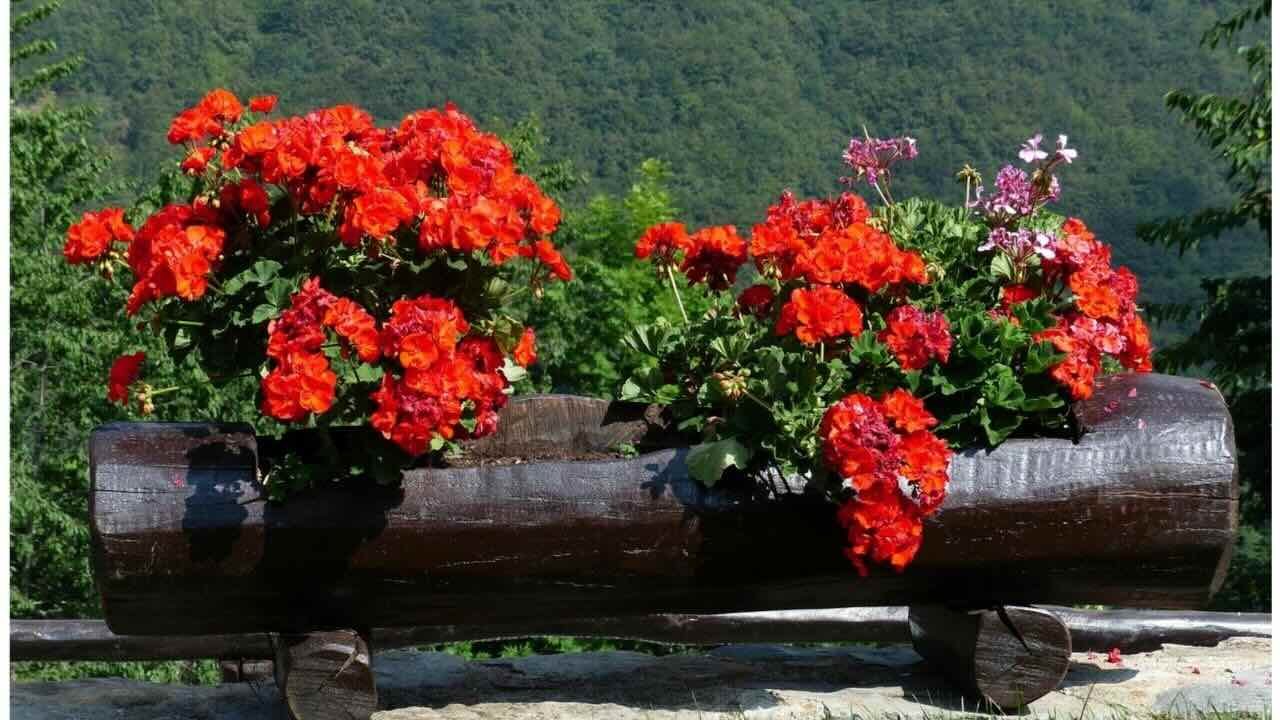
Geraniums spiritually symbolize protection, healing, love, friendship, positive energy, and emotional balance. These meanings connect the flower with supportive relationships, emotional renewal, and the desire to create a peaceful environment. However, geranium symbolism is not universal. Its meaning can change according to the flower’s color, cultural tradition, historical context, and the circumstances in which it is given or used.
Geranium colors add another layer to this symbolism. Red geraniums are associated with strong affection and vitality, while pink varieties are linked with tenderness and friendship. White geraniums commonly represent purity and peace, whereas purple geraniums can carry associations with dignity and spiritual awareness. These color meanings help explain why the same flower can communicate different messages in a romantic relationship, friendship, gift, or spiritual setting.
The spiritual meaning of geranium also extends beyond flower color. Geraniums have acquired cultural and symbolic associations through their use in homes, gardens, gifts, and traditional practices. Understanding these contexts makes it easier to distinguish documented flower symbolism from modern spiritual interpretations. This article explores what geraniums symbolize spiritually, what different geranium colors mean, and how their meaning changes across relationships, cultures, and spiritual practices.
What Is the Spiritual Meaning of Geranium?
The spiritual meaning of geranium centers on protection, healing, love, friendship, positive energy, and emotional balance. Together, these meanings present the geranium as a flower associated with supportive connections, emotional well-being, and creating a positive environment. The exact interpretation depends on the flower’s color, the context in which it appears, and the symbolic tradition being followed.
Protection is one of the meanings associated with geraniums in modern spiritual interpretations. In this context, protection refers to creating or maintaining a sense of safety and positive energy rather than protection from a scientifically measurable threat. Keeping geraniums around a home or incorporating them into symbolic practices can therefore represent an intention to establish a peaceful, protected space.
Geraniums are also connected with healing and emotional balance. Here, healing refers primarily to emotional or symbolic restoration rather than medical treatment. A geranium can represent moving beyond emotional difficulty, restoring inner stability, or supporting a period of personal renewal. This interpretation also explains its connection with positive energy: the flower represents a movement toward a more balanced and uplifting emotional state.
Love and friendship add an interpersonal dimension to geranium symbolism. Rather than representing only romantic passion, geraniums can signify affection, companionship, and supportive relationships. The relationship between the giver and recipient, as well as the color of the flower, determines which interpretation is most appropriate.
These meanings should be understood as symbolic associations rather than universal spiritual facts. Flower symbolism changes between cultures, historical periods, and modern spiritual traditions. Geranium therefore does not have one fixed spiritual meaning that applies to every person or situation.
What Does a Geranium Flower Symbolize?
A geranium flower symbolizes protection, healing, affection, friendship, positivity, and emotional balance in spiritual and symbolic contexts. Each meaning emphasizes a different attribute of the flower, so its symbolism is better understood through context than through a single definition.
Protection connects geraniums with the idea of maintaining a safe and harmonious environment. When a geranium is grown or displayed with symbolic intention, it can represent the desire to keep a home or personal space peaceful. This meaning concerns spiritual symbolism; the physical presence of the plant does not establish that it can remove negative energy or provide supernatural protection.
Healing represents recovery and renewal. In symbolic use, geraniums can mark a transition away from emotional difficulty and toward stability. Someone going through a significant life change, for example, might interpret the flower as a reminder of emotional recovery. This meaning does not imply that geraniums can treat psychological or physical conditions.
Love and friendship represent another major part of geranium symbolism. Geraniums can communicate affection without being limited to romantic love, making their meaning relevant to partners, relatives, and friends. A pink geranium given to a close friend, for example, can carry a different message from a red geranium given in a romantic context. The flower, color, recipient, and occasion work together to determine the intended symbolism.
Positive energy is associated with the geranium through ideas of cheerfulness, vitality, and an uplifting environment. In spiritual contexts, this symbolism can make geraniums suitable for spaces intended to represent optimism or renewal. “Positive energy” in this sense describes a spiritual or symbolic interpretation rather than a scientifically established form of energy produced by the plant.
Emotional balance connects these meanings. Protection provides a sense of security, healing represents restoration, and supportive relationships provide connection. Together, these associations allow the geranium to function as a broader symbol of emotional harmony and personal renewal.
Geranium symbolism is therefore contextual rather than absolute. The flower’s color, relationship between people, occasion, and cultural background can all change what a geranium represents. This is particularly important when interpreting red, pink, white, and purple geraniums because color adds a more specific layer of meaning to the flower’s general symbolism.
What Do Different Geranium Colors Mean Spiritually?
Different geranium colors carry distinct spiritual meanings, with red associated with strong affection and vitality, pink with tenderness and friendship, white with purity and peace, and purple with dignity and spiritual awareness. Color adds a specific symbolic layer to the general meanings of geraniums, allowing the same flower to communicate different intentions depending on its appearance and context.
These associations should not be treated as universal definitions. Flower meanings develop through cultural traditions, historical symbolism, and modern spiritual interpretations, so the same color can carry different meanings in different contexts. The relationship between the giver and recipient also affects the interpretation. A pink geranium between friends, for example, does not necessarily communicate the same message as a pink geranium given to a romantic partner.
What Does a Red Geranium Mean Spiritually?
A red geranium spiritually symbolizes strong affection, vitality, emotional intensity, and passionate connection. Red naturally gives the flower a more energetic interpretation than softer colors, making red geraniums suitable symbols for relationships or situations involving strong feelings.
In relationship symbolism, a red geranium can represent deep affection and emotional attachment. Its meaning is not identical to that of a red rose, which has a particularly established association with romantic love. A red geranium can communicate warmth and strong connection without necessarily functioning as an explicit declaration of romance.
Vitality is another interpretation associated with red geraniums. Within a spiritual context, vitality describes qualities such as enthusiasm, strength, and active engagement with life rather than a measurable physical effect produced by the flower. A red geranium can therefore serve as a symbolic reminder of energy and determination during a period of personal change.
What Does a Pink Geranium Mean Spiritually?
A pink geranium spiritually symbolizes affection, tenderness, friendship, and gentle emotional connection. Its symbolism is softer than that of a red geranium, which makes pink particularly relevant to relationships based on warmth, care, and companionship.
Friendship is an important context for interpreting pink geraniums. Giving one to a close friend can symbolize appreciation for an established bond rather than romantic attraction. Within a romantic relationship, however, the same flower can communicate gentle affection and emotional closeness. The recipient and occasion therefore provide essential context for interpreting its meaning.
Pink geraniums can also represent kindness and emotional support. In spiritual symbolism, these qualities connect the flower with relationships that provide comfort and encouragement. Giving pink geraniums during an important personal transition, for example, can symbolize supportive affection without requiring a romantic meaning.
What Does a White Geranium Mean Spiritually?
A white geranium spiritually symbolizes purity, peace, sincerity, and a desire for harmony. White gives the geranium a calmer symbolic character and is particularly relevant when the flower represents peaceful intentions or emotional clarity.
Purity in this context refers to symbolic sincerity or clarity rather than physical purity. A white geranium can therefore represent honest intentions, a fresh emotional beginning, or the desire to approach a situation without hostility. This interpretation also connects naturally with the broader geranium symbolism of emotional balance.
Peace and harmony make white geraniums relevant to spaces or occasions centered on calmness. A person may keep white geraniums in a home as a personal symbol of peaceful surroundings, for example. The flower represents that intention; its presence does not scientifically demonstrate that it changes the spiritual energy of the space.
What Does a Purple Geranium Mean Spiritually?
A purple geranium can symbolize dignity, personal reflection, spiritual awareness, and inner growth in modern symbolic interpretations. Purple is widely used in spiritual symbolism, but this does not mean every historical tradition assigned the same spiritual meaning to purple geraniums.
The distinction matters because general color symbolism should not automatically be presented as documented geranium symbolism. When purple geraniums are interpreted through a modern spiritual framework, their color can support associations with contemplation, introspection, and spiritual development. These meanings describe how the flower may be used symbolically rather than establishing a universal historical definition.
A purple geranium can consequently serve as a personal symbol during meditation, reflection, or periods of inner development. In this context, the flower does not cause spiritual growth. Instead, it represents an intention to become more reflective, attentive, or connected with one’s spiritual values.
Color provides useful context, but it does not determine geranium symbolism by itself. The most accurate interpretation considers the geranium’s color together with the relationship, occasion, cultural background, and intention behind the flower. This becomes especially important when geraniums are used to communicate love, friendship, or other relationship meanings.
What Does a Geranium Mean in Love and Relationships?
In love and relationships, geraniums symbolize affection, friendship, emotional connection, loyalty, and supportive companionship. Their relationship meaning is broader than romantic love because geraniums can represent bonds between partners, friends, and family members. The flower’s color and the relationship between two people provide the context needed to determine its specific message.
Romantic symbolism is strongest when the geranium is connected with affection and emotional attachment. Red geraniums are better suited to expressing intense feelings, while pink geraniums communicate a gentler form of affection. Unlike flowers with a strongly established romantic identity, geraniums do not need to represent romantic passion exclusively. They can instead symbolize a relationship built around warmth, care, and continued emotional connection.
Friendship is another important part of geranium relationship symbolism. Pink geraniums in particular can represent appreciation, tenderness, and companionship between friends. In this context, the flower communicates the value of the relationship without requiring romantic intent. A person might give geraniums to a close friend to acknowledge emotional support, celebrate an important occasion, or simply express appreciation for the friendship.
Geraniums can also represent supportive relationships during periods of personal change. This interpretation connects their relationship symbolism with the broader spiritual meanings of healing and emotional balance. Giving geraniums to someone beginning a new stage of life, for example, can represent encouragement and continued support. The symbolic message comes from the intention behind the gift rather than from an inherent spiritual power of the plant.
The meaning becomes more precise when color and relationship are considered together. Red geraniums emphasize stronger affection and vitality, pink geraniums emphasize tenderness and friendship, white geraniums emphasize sincerity and harmony, and purple geraniums can emphasize reflection and personal growth. These meanings provide interpretive context rather than fixed rules, so the giver’s intention remains important.
What Does It Mean When Someone Gives You Geraniums?
Receiving geraniums can symbolize affection, friendship, encouragement, appreciation, or a wish for emotional well-being. The most appropriate interpretation depends on four factors: the color of the geranium, your relationship with the giver, the occasion, and the cultural or personal meaning attached to the flower.
The relationship with the giver provides the strongest context. Geraniums from a romantic partner may communicate affection or attachment, particularly when the flowers are red or pink. The same flowers from a close friend are more naturally interpreted as friendship, appreciation, or emotional support. Geraniums from a family member can instead emphasize familial affection, encouragement, or the importance of maintaining a close connection.
The occasion can change the message further. Geraniums given during a birthday or celebration can represent appreciation and positive wishes. Flowers given during a difficult transition can symbolize encouragement, renewal, or emotional support. A geranium given as a housewarming gift can carry a different symbolic intention, with the plant representing harmony, positivity, or a welcoming home environment.
Color adds another level of specificity. Receiving red geraniums can emphasize strong affection or vitality, while pink geraniums can communicate tenderness and friendship. White geraniums are more closely suited to messages involving peace, sincerity, or harmony. Purple geraniums can be interpreted through themes of dignity, reflection, or spiritual growth, particularly when the giver intentionally chooses the color for that purpose.
Personal intention ultimately takes priority over a generalized flower dictionary. Someone may choose a geranium because of a shared memory, the recipient’s favorite color, or a personal association that has nothing to do with traditional symbolism. The meaning of a geranium gift is therefore best understood through color, relationship, occasion, and the giver’s intention rather than through one universal definition.
Do Geraniums Have Different Meanings Across Cultures?
Geraniums can have different meanings across cultures because flower symbolism is shaped by historical period, local tradition, social customs, and the context in which flowers are used. Protection, affection, friendship, healing, and positivity should therefore be treated as symbolic interpretations rather than meanings that every culture assigns to geraniums.
Historical context is particularly important. Flower meanings have changed as plants have moved between regions and acquired new social uses. A flower used primarily as an ornamental plant in one place can acquire associations with hospitality, remembrance, affection, or domestic life elsewhere. Modern spiritual interpretations can add another layer of meaning that was not necessarily present in earlier traditions.
The language of flowers provides an example of why historical context matters. During periods when flowers were used to communicate social messages, individual plants could be assigned specific meanings. However, these meanings were not always consistent between flower dictionaries or communities. A historical association should therefore not automatically be presented as the universal spiritual meaning of geraniums today.
Modern spiritual symbolism operates in a similar way. Geraniums may be associated with protection, emotional healing, positive energy, or harmony in contemporary spiritual contexts, but these interpretations can reflect modern practices rather than a single ancient tradition. A person using geraniums as a symbol of protection today is not necessarily following the same symbolic system as someone who encountered the flower in a different historical or cultural setting.
Personal and family traditions can further change the flower’s meaning. A household that has grown geraniums for several generations may associate them with family, remembrance, or home regardless of meanings found in spiritual guides. In this situation, personal history creates a symbolic association that can be stronger than a generalized interpretation.
Geranium symbolism is therefore culturally and historically contextual rather than universal. When a specific meaning is attributed to a particular culture or tradition, it should be supported by evidence from that tradition instead of being inferred from modern color symbolism or general spiritual associations.
Can Geraniums Be Used in Spiritual Practices?
Geraniums can be used symbolically in spiritual practices involving meditation, personal intention, reflection, rituals, and spiritually meaningful spaces. Their role in these practices is primarily representational: the flower can stand for an intention such as protection, emotional renewal, affection, harmony, or personal growth.
Meditation provides one practical context. A person who associates geraniums with emotional balance can place the flower within a meditation space as a visual reminder of that intention. The geranium does not create emotional balance by itself. Instead, its symbolic meaning gives the practitioner an object on which to focus an existing intention or spiritual value.
Geraniums can serve a similar purpose in personal rituals. For example, someone marking the end of a difficult period might use a geranium to represent renewal or emotional recovery. Another person could use white geraniums as symbols of peace when creating a space for quiet reflection. In both cases, the flower functions as a symbolic component of the practice rather than as proof that a supernatural effect has occurred.
The plant can also be incorporated into a spiritual garden or dedicated reflective space. Geraniums associated with protection or positivity may be placed in an area intended to represent those qualities, while colors can refine the symbolism. Pink can emphasize affection and supportive relationships, white can represent peace, and purple can support themes of reflection or spiritual awareness.
Intent determines how meaningful this use becomes. A geranium used in spiritual practice represents the meaning assigned to it by a person or tradition; it should not be assumed to possess objectively measurable spiritual powers. This distinction allows geranium symbolism to be discussed without presenting spiritual beliefs as scientific facts.
Specific claims about traditional ritual uses require evidence from the culture or spiritual system being described. A modern practice involving geraniums should not be labeled an ancient or culturally established tradition unless historical sources support that connection. This distinction preserves the difference between documented tradition, contemporary spiritual practice, and personal symbolism.
What Does It Mean to Keep Geraniums in Your Home?
Keeping geraniums in your home can symbolize protection, harmony, positive intentions, emotional warmth, and a welcoming environment. The plant’s meaning depends on the symbolism a person associates with it, so displaying geraniums should be understood as a symbolic choice rather than a method of producing a measurable spiritual effect.
Protection is one interpretation connected with keeping geraniums around the home. Under this spiritual interpretation, the plant represents the intention to maintain a safe and harmonious personal space. A geranium placed near an entrance, window, or shared living area can therefore function as a personal symbol of protection. This does not establish that the plant physically blocks negative energy or prevents harmful events.
Geraniums can also represent warmth and positive relationships within a household. Their broader associations with affection, friendship, and emotional connection make them suitable symbols for a home where companionship and supportive relationships are valued. For example, a geranium received from a family member may develop an additional personal meaning because the plant becomes associated with that person and the relationship.
Flower color can refine the symbolism within the home. Red geraniums can represent vitality and strong affection, while pink geraniums can emphasize tenderness and friendship. White geraniums can represent peace, sincerity, and harmony, while purple varieties can support themes of reflection and spiritual awareness. A person creating a quiet reflective space may therefore interpret a white or purple geranium differently from a red geranium displayed in a lively communal area.
Personal associations can be as significant as generalized spiritual meanings. Geraniums traditionally grown by a parent or grandparent, for example, may represent family, memory, continuity, or belonging to someone who associates the flowers with childhood. These meanings arise from lived experience and do not need to match a standardized interpretation of flower symbolism.
The spiritual meaning of keeping geraniums at home ultimately comes from the relationship between the plant, its symbolic associations, and the intention of the person displaying it. Geraniums can represent protection or harmony within a spiritual framework, but their presence should not be presented as scientific evidence that the energy of a home has changed.
Is Geranium Spiritual Meaning the Same as Geranium Flower Meaning?
Geranium spiritual meaning and geranium flower meaning overlap, but they are not exactly the same concept. Geranium flower meaning is the broader category because it can include historical, cultural, social, romantic, and spiritual symbolism. Geranium spiritual meaning focuses specifically on interpretations connected with spiritual values, intentions, and practices.
Flower meaning can describe messages communicated through a geranium without requiring a spiritual interpretation. Affection and friendship provide clear examples. Someone can give geraniums to express appreciation for a friend without assigning any spiritual significance to the flowers. In this situation, the geranium still has symbolic meaning, but that meaning is primarily interpersonal.
Spiritual meaning becomes more relevant when geranium symbolism is connected with concepts such as protection, emotional renewal, harmony, reflection, or spiritual growth. A person who places a geranium in a meditation area as a reminder of inner balance is using the flower within a spiritual context. The same plant displayed simply because its owner enjoys its appearance does not automatically carry that meaning.
Historical and cultural flower meanings form another part of the broader category. A documented association from a particular period should be identified as historical symbolism rather than automatically classified as spiritual symbolism. Similarly, a modern spiritual interpretation should not be described as an ancient cultural belief unless reliable historical evidence establishes that connection.
The distinction can be summarized through context: geranium flower meaning describes what the flower can symbolize broadly, while geranium spiritual meaning describes the spiritual interpretations within that larger symbolic system. Protection, healing, love, friendship, positive energy, emotional balance, and personal growth can overlap across these categories, but their specific meaning depends on how and why the geranium is being interpreted.
Understanding this distinction also explains why geraniums do not have one universal meaning. Color, relationships, gifts, cultural traditions, personal experiences, and spiritual practices each provide a different context for interpreting the same flower. The most accurate meaning is therefore the one supported by the specific context in which the geranium appears.