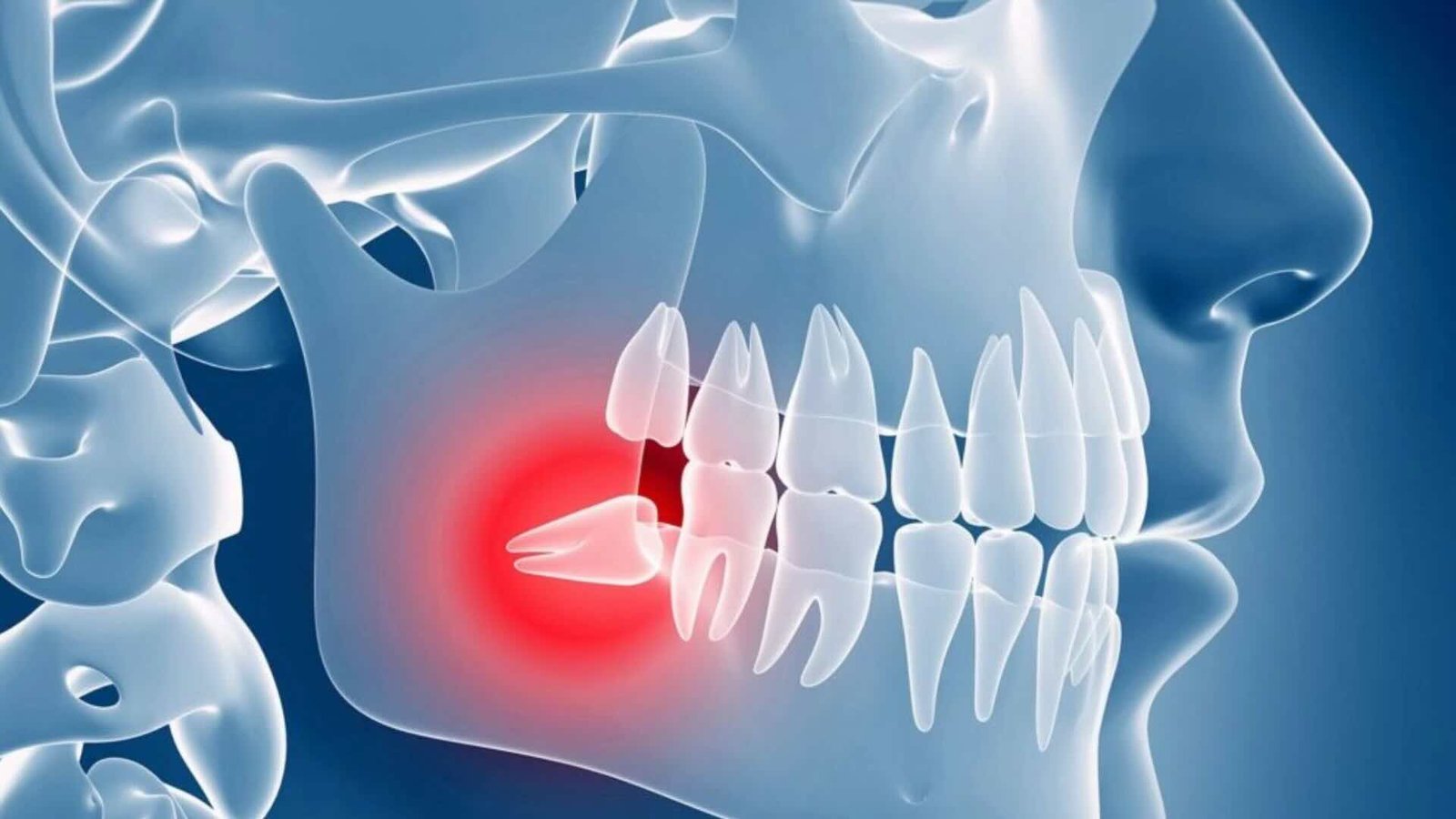
Wisdom teeth are commonly associated with wisdom, maturity, personal growth, life transitions, and transformation in spiritual interpretations. Because these third molars typically emerge later than other permanent teeth, their arrival can symbolically represent entering a stage of life marked by greater experience, responsibility, and self-awareness. The connection is symbolic rather than scientific: there is no established evidence that wisdom teeth themselves carry a specific spiritual meaning.
The spiritual meaning can also change according to what happens with the wisdom teeth. Wisdom teeth growing in may represent emerging wisdom or movement into a new phase of personal development. Pain may be interpreted symbolically as discomfort associated with growth, change, or resistance, although physical pain has dental causes that should not be replaced by a spiritual explanation. Wisdom teeth removal can carry a different symbolism, including letting go, releasing something that no longer serves you, or creating space for a new stage of life.
These meanings are not universal across spiritual traditions. They are better understood as symbolic frameworks that connect the physical experience of wisdom teeth with broader themes of maturity and transformation. This article examines those interpretations while distinguishing spiritual symbolism from medical fact.
What Is the Spiritual Meaning of Wisdom Teeth?
The spiritual meaning of wisdom teeth centers on 5 main themes: wisdom, maturity, personal growth, life transition, and transformation. These meanings come from symbolic interpretations of when wisdom teeth appear and what that stage of physical development represents. Wisdom teeth are the third molars and emerge later than most permanent teeth, which has helped connect them symbolically with moving beyond childhood and gaining greater life experience.
Wisdom is the most direct symbolism associated with wisdom teeth. Their name connects these teeth with a period when a person is expected to have accumulated more knowledge and experience than during childhood. From a spiritual perspective, wisdom refers not only to intellectual knowledge but also to self-awareness, judgment, intuition, and the ability to learn from experience. The appearance of wisdom teeth can therefore serve as a symbolic marker of developing inner wisdom rather than evidence that the teeth themselves create or contain wisdom.
Maturity and personal growth form a second layer of this symbolism. Physical development provides a natural metaphor for internal development: as the body reaches another developmental milestone, a person may also be facing new responsibilities, relationships, decisions, or changes in identity. In this interpretation, wisdom teeth symbolize the process of becoming more independent and consciously deciding how to respond to new experiences.
Life transition and transformation complete the symbolism. Wisdom teeth can appear during a period when a person’s circumstances, responsibilities, and understanding of themselves are changing. Their emergence may therefore be interpreted as a reminder that growth involves moving from one stage into another. This meaning is personal rather than universal; the significance depends on the individual’s spiritual beliefs and the circumstances surrounding the experience.
Why Do Wisdom Teeth Symbolize Wisdom and Maturity?
Wisdom teeth symbolize wisdom and maturity because they develop later than the other permanent teeth and are associated with a later stage of human development. The symbolic connection follows a simple relationship: later physical development becomes associated with greater age, greater life experience, and eventually greater wisdom. This relationship also explains why spiritual interpretations frequently connect wisdom teeth with adulthood and personal maturation.
The term “wisdom teeth” itself reinforces this association. Third molars received a name connected with wisdom because they appear considerably later than the teeth that develop during childhood. The name does not prove that wisdom teeth possess spiritual properties, but it provides a linguistic and cultural foundation for interpreting them as symbols of accumulated experience. In spiritual contexts, this association can extend from practical maturity to inner qualities such as discernment, self-knowledge, and awareness.
Maturity also involves responsibility. A person moving toward adulthood encounters decisions about relationships, work, independence, values, and personal identity. Wisdom teeth can symbolically coincide with this broader movement toward taking responsibility for one’s choices. The teeth therefore function as a metaphorical milestone: physical maturation occurs alongside a period in which emotional and psychological maturation may also be taking place.
Spiritual maturity adds another dimension to this interpretation. It can involve examining existing beliefs, learning from difficult experiences, recognizing recurring patterns, and developing a clearer sense of personal values. Wisdom teeth do not cause these changes. Instead, their later appearance provides a physical event that some people use to reflect on the transition from receiving guidance from others to developing wisdom through their own experiences.
What Do Wisdom Teeth Symbolize During Personal Growth?
Wisdom teeth can symbolize 3 aspects of personal growth: entering a new life stage, developing greater self-awareness, and accepting greater responsibility. This interpretation connects a visible physical milestone with internal development. Because wisdom teeth emerge later than most permanent teeth, their appearance can become a symbolic marker for the transition from earlier dependence toward greater independence and personal agency.
Entering a new life stage is the most direct connection. Personal growth often occurs when established routines, relationships, responsibilities, or beliefs begin to change. A person may be leaving education, beginning a career, becoming financially independent, forming serious relationships, or reconsidering long-held values. Within a spiritual framework, wisdom teeth can represent this movement from one phase of identity into another.
Greater self-awareness is another interpretation. Spiritual growth involves recognizing personal values, emotional patterns, strengths, limitations, and the consequences of individual choices. Wisdom teeth can symbolically represent this developing awareness because wisdom is built through experience rather than acquired at a single moment. In this context, the teeth serve as a reminder to examine what previous experiences have taught you and how those lessons influence current decisions.
Accepting responsibility completes the connection between wisdom teeth and personal growth. Maturity requires making decisions without relying entirely on external direction and accepting the results of those decisions. The symbolism therefore extends beyond becoming older. It represents the development of judgment, discernment, and accountability. Wisdom teeth do not cause these changes, but their emergence can provide a meaningful physical milestone for reflecting on them.
What Is the Spiritual Meaning of Wisdom Teeth Growing In?
Wisdom teeth growing in may spiritually symbolize emerging wisdom, increasing maturity, and movement into a new stage of personal development. The central idea is emergence: something that has been developing beneath the surface becomes visible. This physical process creates a natural metaphor for knowledge, awareness, or personal qualities that have developed gradually through experience.
Emerging wisdom does not mean suddenly possessing greater knowledge when a wisdom tooth erupts. Instead, the event can represent recognition of lessons already acquired. Experiences involving relationships, mistakes, responsibilities, achievements, and setbacks can gradually change how a person understands themselves and the world. Within a spiritual interpretation, a wisdom tooth breaking through the gum can symbolize bringing that accumulated understanding into conscious awareness.
Wisdom teeth growing in can also represent a life transition. Transitions involve leaving a familiar condition while adapting to something new, such as greater independence, a changing identity, new responsibilities, or a different direction in life. The eruption process provides an appropriate symbolic parallel because it involves development followed by emergence. The spiritual significance comes from connecting that physical event with what is happening in the person’s life at the same time.
The experience may also encourage reflection on inner growth. A person noticing wisdom teeth during a significant period can ask what has recently changed, which lessons have become clearer, and which responsibilities now require greater judgment. These questions make the symbolism personally relevant without treating it as a predetermined spiritual message. The meaning comes from the relationship between the experience, the person’s beliefs, and their current stage of development.
What Is the Spiritual Meaning of Wisdom Teeth Pain?
Wisdom teeth pain may symbolically represent resistance to change, a difficult transition, or emotional tension associated with personal growth. These interpretations treat physical discomfort as a metaphor for an uncomfortable period of development. They do not establish a spiritual cause for wisdom tooth pain, which can have physical explanations that require dental assessment.
Resistance to change is one common symbolic interpretation. Personal development can require leaving familiar habits, beliefs, relationships, or identities behind. A person may recognize that change is necessary while simultaneously wanting to preserve what feels familiar. Within a spiritual framework, discomfort around a wisdom tooth can become a symbol of this tension between remaining in an established state and moving toward a new one.
A difficult transition provides a second interpretation. Growth is not always experienced as a smooth process because greater independence, responsibility, or self-awareness can require difficult decisions. For example, changing careers, ending an important relationship, moving away from home, or questioning a long-held belief can create uncertainty even when the change ultimately supports personal development. Wisdom tooth pain occurring during such a period may therefore be used as a symbolic prompt to examine what transition is taking place.
Emotional tension is a third possible meaning. A painful wisdom tooth may encourage reflection on emotions or decisions that have been difficult to address. The useful spiritual question is not “What hidden message is this tooth definitely sending?” but rather “What is changing in my life, and how am I responding to that change?” This approach keeps the interpretation reflective rather than presenting symbolism as an objective diagnosis.
Physical causes should remain separate from spiritual interpretation. Wisdom tooth pain can occur when a tooth is erupting, lacks sufficient space, becomes impacted, or develops problems in the surrounding tissue. Spiritual reflection should therefore complement rather than replace appropriate dental care. Persistent, severe, or worsening pain requires a physical explanation regardless of the personal symbolism attached to the experience.
What Is the Spiritual Meaning of Wisdom Teeth Removal?
Wisdom teeth removal can spiritually symbolize letting go, releasing what no longer serves you, ending a life stage, and creating space for change. The symbolism comes from the act of removing something that has become difficult or unnecessary, making removal a natural metaphor for release and transition.
Letting go is the most direct interpretation. People accumulate habits, expectations, relationships, fears, and beliefs that may once have served a purpose but no longer support their development. Removing a wisdom tooth can become a symbolic opportunity to identify something that has reached a similar point. The physical act does not automatically create emotional or spiritual release; instead, it can provide a meaningful event around which a person chooses to reflect on release.
Wisdom teeth removal can also represent the end of a life stage. Endings are an essential part of transformation because moving forward frequently requires accepting that a previous identity, routine, or relationship has changed. Someone undergoing removal during a major transition may connect the experience with completing one period of life and preparing for another. In this interpretation, the emphasis is not on loss but on recognizing that development sometimes involves leaving something behind.
Creating space for change adds a complementary meaning. Removing something physically creates an intuitive metaphor for making room mentally, emotionally, or spiritually. A person might use the experience to reconsider priorities, release an outdated expectation, or become more receptive to a new direction. The symbolism becomes especially relevant when removal coincides with another significant change in the person’s circumstances.
Wisdom teeth removal can therefore represent both an ending and a beginning. The removal itself marks release, while recovery can symbolize adjustment and renewal. This interpretation remains personal rather than universal: the procedure has a dental purpose, while meanings such as letting go, transformation, and new beginnings arise from the spiritual framework a person chooses to apply to the experience.
Do Different Spiritual Traditions Give Wisdom Teeth Different Meanings?
Different spiritual traditions do not share one established meaning for wisdom teeth. Meanings such as wisdom, maturity, transformation, and letting go are better treated as symbolic interpretations unless a specific belief can be traced to a documented religious or cultural tradition. This distinction prevents modern spiritual ideas from being incorrectly presented as ancient or universal teachings.
Cultural symbolism can influence how wisdom teeth are interpreted because cultures assign different meanings to adulthood, physical development, pain, loss, and rites of passage. A physical milestone may therefore become associated with a psychological or spiritual transition. However, the existence of a cultural concept of maturity does not automatically mean that the culture historically assigned that meaning to wisdom teeth themselves.
Modern spiritual interpretation is more flexible. Rather than relying on a fixed doctrine, it often connects an experience with broader symbolic themes. Wisdom teeth growing in can represent emerging maturity, pain can represent a challenging transition, and removal can represent release. These interpretations form a coherent symbolic framework, but they should not be attributed to Buddhism, Hinduism, Christianity, Indigenous traditions, or another belief system without reliable evidence for that specific association.
Personal belief creates another layer of meaning. Two people can experience the same wisdom tooth event and interpret it differently because their circumstances differ. Someone entering a major new stage of life might associate the experience with transformation, while another person completing a difficult period might associate removal with closure. The most useful interpretation is therefore one that fits the person’s spiritual framework and life context without being presented as a universal spiritual rule.
What Does Dreaming About Wisdom Teeth Mean Spiritually?
Dreaming about wisdom teeth can symbolize concerns about maturity, personal change, difficult transitions, or letting go, depending on what happens to the teeth in the dream. There is no single fixed spiritual meaning for a wisdom teeth dream. The action, emotions, and circumstances within the dream provide the context needed for a symbolic interpretation.
Dreaming about wisdom teeth growing in can represent something developing or becoming conscious. Because wisdom teeth are associated symbolically with maturity, their emergence in a dream may reflect a new responsibility, realization, or stage of personal development. A dream of painless growth may fit a transition that feels natural, while uncomfortable growth may correspond symbolically with a change the dreamer finds difficult to accept.
Dreaming about wisdom teeth falling out or being removed creates a different symbolic relationship. Losing or removing a tooth can represent release, closure, or separation from an earlier stage of life. For example, a person who is leaving a relationship, changing careers, or abandoning an outdated belief may interpret removal as a representation of letting go. The dream does not predict that these events will occur; its meaning comes from how its imagery relates to the dreamer’s current experiences.
Painful wisdom teeth in a dream may represent tension surrounding growth or a decision that feels difficult to resolve. The emotional response matters because fear, relief, frustration, and calm point toward different interpretations. Rather than assigning a universal definition, examine what happened to the wisdom teeth, how you felt during the dream, and which current life situation most closely reflects those emotions.
How Can You Interpret the Spiritual Meaning of Your Wisdom Teeth?
You can interpret the spiritual meaning of your wisdom teeth by examining 4 factors: your current life stage, recent transitions, emotional response, and personal spiritual beliefs. These factors provide context for deciding whether themes such as maturity, growth, resistance, or letting go have personal significance. The goal is not to discover a predetermined message but to use the experience as a structured opportunity for reflection.
Start with your current life stage. Consider what was happening when your wisdom teeth began growing, became painful, or required removal. A person becoming independent, starting a career, changing relationships, or accepting greater responsibility may connect wisdom teeth with maturity. Someone experiencing the teeth during a less significant period may find that this interpretation has little personal relevance. Timing provides context, but it does not establish a spiritual cause.
Next, identify any transition occurring alongside the experience. Wisdom teeth symbolism becomes particularly relevant when an old stage is ending and another is beginning. Examples include leaving home, completing education, changing careers, ending a relationship, or reconsidering an established belief. Wisdom teeth growing in may represent emergence during such a transition, while removal may represent closure or release.
Your emotional response provides a third source of context. Fear may point toward uncertainty about change, frustration may reflect resistance, and relief after removal may resonate with letting go. These associations are reflective rather than diagnostic. Instead of assuming that a particular emotion proves a spiritual message, compare the emotion surrounding your wisdom teeth with emotions arising elsewhere in your life.
Finally, interpret the experience within your existing spiritual beliefs. A useful interpretation should fit your worldview rather than requiring you to adopt an unfamiliar belief system. Ask what you have learned recently, what responsibility you are being asked to accept, what you may need to release, and which change requires greater awareness. These questions turn wisdom teeth symbolism into a tool for self-reflection while keeping personal meaning separate from universal claims.
Is the Spiritual Meaning of Wisdom Teeth Scientifically Proven?
No scientific evidence establishes a specific spiritual meaning for wisdom teeth. Meanings involving wisdom, transformation, personal growth, resistance, or letting go belong to symbolic and spiritual frameworks rather than established dental science. Separating these two categories makes it possible to explore spiritual meaning without presenting personal beliefs as biological facts.
The physical identity of wisdom teeth is different from their symbolism. Wisdom teeth are third molars that develop later than most other permanent teeth. Their later development provides a logical foundation for cultural and linguistic associations with age and maturity. The connection between later development and “wisdom,” however, does not demonstrate that these teeth possess spiritual properties or directly influence a person’s spiritual development.
Spiritual symbolism operates through interpretation rather than biological mechanism. A wisdom tooth growing in can represent emerging maturity because both processes involve development. Removal can represent letting go because both involve separation from something previously present. Pain can become a metaphor for a difficult transition because both experiences involve discomfort. These parallels explain why the symbolism can feel personally meaningful without requiring a scientifically measurable spiritual effect.
The distinction becomes especially important when physical symptoms are involved. Pain, swelling, difficulty opening the mouth, or other problems involving wisdom teeth should not be attributed solely to spiritual transformation. A person can seek an appropriate physical explanation while also reflecting on what the experience represents personally. The two perspectives serve different purposes: dental evaluation addresses the physical condition, while spiritual interpretation explores personal meaning.
Wisdom teeth therefore do not have one scientifically proven or universally accepted spiritual meaning. Their symbolism is most useful as a framework for examining wisdom, maturity, growth, transition, and release in relation to your own experiences. Keeping that boundary clear allows spiritual reflection to remain meaningful without turning symbolic interpretation into a factual medical claim.