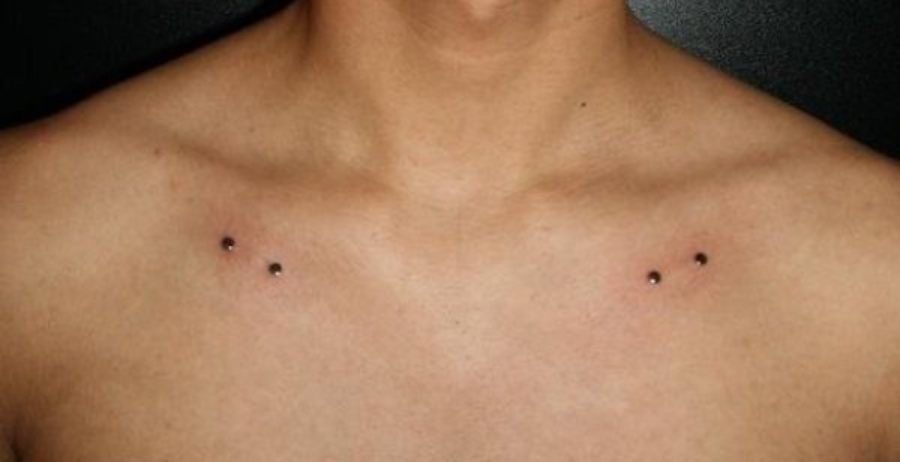
A sternum piercing can symbolize self-expression, protection, self-love, empowerment, transformation, emotional healing, and spiritual balance. These 7 meanings come from the symbolic associations people place on the chest, heart, body modification, and the personal intention behind choosing this piercing. A sternum piercing does not have one universal spiritual meaning, so its significance can differ from one person to another.
Its location plays an important role in these interpretations. The sternum sits at the center of the chest, close to the heart, which is commonly associated with love, emotions, vulnerability, and the inner self. In chakra traditions, this area is also associated with Anahata, or the heart chakra, an energy center linked with love, compassion, connection, and emotional balance. This association does not mean that getting a sternum piercing automatically opens or heals the heart chakra. Instead, the piercing can serve as a personal symbol of qualities connected with this area.
The spiritual meaning of a sternum piercing ultimately depends on why you chose it, what the chest and heart represent to you, and what intention you attach to the jewelry. Understanding these factors makes it easier to determine which of the 7 spiritual meanings best reflects your piercing.
What Does a Sternum Piercing Mean Spiritually?
Spiritually, a sternum piercing can represent a personal connection to identity, the heart, inner strength, and intentional transformation. Unlike a symbol with one established religious definition, a sternum piercing does not carry a single spiritual meaning for everyone. Its symbolism develops through three main factors: where the piercing is placed, what the wearer associates with that part of the body, and why they chose to get the piercing. For example, someone who gets a sternum piercing after an important life change may associate it with transformation, while another person may see the same piercing as an expression of body autonomy.
The placement of the piercing contributes strongly to its symbolism because the sternum is located in the central chest area. The chest is commonly associated with the heart, and the heart is widely used as a symbol of love, emotion, vulnerability, and connection. A person may therefore choose a sternum piercing to represent something they want to keep close to their heart, such as self-love, emotional resilience, or commitment to personal values. In this interpretation, the physical location gives the piercing symbolic context rather than creating a fixed spiritual meaning by itself.
Personal intention ultimately determines which spiritual meaning is most relevant. A piercing chosen to mark recovery from a difficult period carries a different meaning from one chosen to celebrate independence or personal identity. Jewelry can add another layer of symbolism when its shape, design, or associated meaning reflects the wearer’s intention. This combination of placement, symbolism, and intention explains why sternum piercings can represent several spiritual ideas without having one universally accepted interpretation.
What Are the 7 Spiritual Meanings of a Sternum Piercing?
There are 7 common spiritual interpretations of a sternum piercing: self-expression, protection, self-love, empowerment, transformation, emotional healing, and spiritual balance. These meanings are not automatic properties of the piercing. They describe ways a person may interpret the piercing based on its position near the heart, the experience of intentionally modifying the body, and the personal significance attached to the jewelry.
1. Self-expression
A sternum piercing can symbolize self-expression by turning a personal choice about the body into a visible representation of identity. Body modification allows a person to make deliberate decisions about how their body looks, and the sternum offers a particularly personal location because it can remain private or be displayed selectively. This gives the wearer control over when and how the piercing becomes part of their outward identity.
The spiritual dimension of self-expression comes from authenticity rather than appearance alone. A person may use the piercing as a reminder to live according to personal values instead of shaping every choice around external expectations. For example, someone who previously avoided expressing an unconventional style may choose a sternum piercing to mark a decision to become more comfortable with their individuality. In that context, the jewelry represents an intentional expression of the self rather than simply decoration.
2. Protection
A sternum piercing can symbolize protection because of its position over the central chest and its symbolic proximity to the heart. The chest physically surrounds vital organs, while the heart carries strong symbolic associations with emotions and personal vulnerability. Placing meaningful jewelry in this area can therefore be interpreted as creating a symbolic guard around something the wearer considers emotionally valuable.
The protective meaning becomes more specific when the wearer intentionally chooses jewelry associated with protection within their own spiritual belief system. A protective symbol, meaningful motif, or personally significant object can turn the piercing into a reminder to maintain emotional boundaries or protect personal values. For example, someone who has learned to establish healthier boundaries after a difficult relationship might view sternum jewelry as a personal symbol of guarding their emotional well-being. This is symbolic protection, not evidence that a sternum piercing physically or supernaturally protects a person from harm.
3. Self-love
A sternum piercing can represent self-love when the wearer connects its heart-centered placement with acceptance, personal worth, and care for the self. The symbolic relationship between the heart and love makes the chest a natural location for this interpretation. Instead of directing that symbolism toward romantic love, the wearer can direct it inward and use the piercing to represent a commitment to valuing their own body, emotions, and needs.
Self-love symbolism can also emerge from the decision to decorate a part of the body on one’s own terms. The meaning does not depend on meeting a particular beauty standard; it comes from the intention attached to the choice. For example, a person may get a sternum piercing after becoming more accepting of their body and use the jewelry as a reminder of that change in perspective. The piercing then marks self-acceptance rather than creating it by itself.
4. Empowerment
A sternum piercing can symbolize empowerment through body autonomy, personal agency, and ownership of individual choices. Choosing a body modification requires the wearer to decide what they want to do with their own appearance. When that decision carries personal significance, the piercing can become a physical marker of the person’s ability to make choices for themselves.
This meaning is especially relevant when empowerment is connected to reclaiming personal agency. Someone who has spent a period allowing other people’s expectations to determine their choices may intentionally make a body-related decision for themselves. A sternum piercing can then serve as a reminder of independence and self-determination. In this context, empowerment comes from the meaning assigned to the decision, while the piercing provides a tangible symbol of that decision.
5. Transformation
A sternum piercing can represent transformation when it is used to mark the transition from one stage of life to another. Physical changes are often easy to associate with internal changes because they create a visible distinction between a person’s previous and current self. A new piercing can therefore function as a personal marker for a new identity, changed priorities, or the end of a significant chapter.
Transformation does not have to involve a dramatic event. It can represent personal growth, a change in relationships, greater independence, or a deliberate shift in how someone wants to live. For example, a person may choose a sternum piercing after leaving an old environment and beginning a new phase of life. If the piercing is intentionally connected to that transition, it can symbolize the boundary between who the person was and who they are becoming.
6. Emotional healing
A sternum piercing can symbolize emotional healing when the wearer uses it to represent recovery, acceptance, or moving forward after an emotionally significant experience. Its location near the heart makes this interpretation particularly relevant to experiences associated with love, grief, heartbreak, forgiveness, or emotional renewal. The piercing can give a person a physical reminder of an internal process that would otherwise be difficult to represent.
The distinction between symbolizing healing and causing healing is important. Getting a piercing does not itself treat grief, trauma, depression, or another mental health condition. Instead, a person who has already been moving through an emotional transition may attach that experience to the piercing. For example, someone who chooses the jewelry after moving forward from a painful breakup may view it as a reminder that the experience no longer defines their emotional life. The spiritual meaning comes from the intention and memory attached to the piercing.
7. Spiritual balance
A sternum piercing can symbolize spiritual balance because its central placement can visually represent centeredness, symmetry, and inner alignment. The sternum runs along the middle of the chest, giving jewelry placed in this area a strong connection with the body’s visual centerline. A wearer may interpret this centered position as a reminder to maintain balance between emotions, personal needs, relationships, and outward actions.
Spiritual balance in this context refers to personal symbolism rather than a measurable effect on the body’s energy. For example, someone working to balance caring for others with maintaining their own boundaries might use sternum jewelry as a reminder to return attention to their inner needs. The piercing does not automatically balance spiritual energy; instead, its centered placement can provide a meaningful symbol for the balance the wearer intends to cultivate.
Why Is a Sternum Piercing Associated With the Heart Chakra?
A sternum piercing is associated with the heart chakra because the piercing sits in the central chest area, close to the location symbolically connected with Anahata. In chakra traditions, Anahata is commonly described as the heart chakra and is associated with love, compassion, emotional connection, and the relationship between the self and others. This overlap in body location creates a natural symbolic connection between sternum jewelry and heart-centered spiritual themes.
The association becomes more meaningful when a person intentionally chooses the piercing to represent qualities connected with the heart chakra. For example, someone may associate their sternum jewelry with becoming more receptive to love, practicing compassion, developing self-love, or creating healthier emotional relationships. In this case, the jewelry acts as a personal reminder of the qualities the wearer wants to cultivate. Its spiritual significance comes from the intention attached to the piercing rather than from its physical presence alone.
A sternum piercing should not be treated as a traditional method for opening, activating, or healing the heart chakra. The connection between the two is better understood as a modern symbolic interpretation based partly on their overlapping placement. Chakra traditions and modern body piercing practices are separate contexts, so sharing a body location does not establish that sternum piercing historically formed part of traditional chakra practices.
This distinction also explains why a sternum piercing can have heart chakra symbolism for one person and no chakra meaning for another. Someone who follows a chakra-based spiritual practice may use the piercing as a symbol of love, compassion, or emotional balance. Another wearer may associate the same piercing entirely with aesthetics, empowerment, or self-expression. The heart chakra provides one possible spiritual framework for interpreting a sternum piercing, not a universal definition of what the piercing means.
Does Sternum Piercing Placement Affect Its Spiritual Meaning?
Yes, sternum piercing placement can affect its spiritual interpretation because different characteristics of the chest area create different symbolic associations. Three associations are especially relevant: proximity to the heart can represent love and emotional connection, the central position of the sternum can represent balance and centeredness, and the relatively intimate placement can represent vulnerability or private self-expression. These associations provide symbolic context, while the wearer’s intention determines whether any of them actually apply.
Proximity to the heart can give a sternum piercing symbolism related to love, emotions, and personal connection. The heart has long functioned as a recognizable symbol of affection and emotional life, so jewelry positioned near it can take on similar meaning for the wearer. A person might use this placement to represent self-love after a period of low self-worth, while someone else might connect it with an important emotional bond. The physical placement remains the same, but the intention changes the specific meaning attached to it.
The central position of the sternum can represent centeredness and balance. Because the sternum follows the middle of the chest, jewelry placed along this area can emphasize symmetry and the body’s centerline. A person seeking greater balance between personal needs, relationships, and responsibilities might interpret this visual centeredness as a reminder to remain aligned with their values. This symbolism explains the connection without claiming that the placement physically changes or balances spiritual energy.
The intimate nature of sternum placement can also represent vulnerability and personal identity. Unlike a facial or ear piercing that is routinely visible, sternum jewelry can often be shown or concealed according to clothing and personal preference. That control can make the piercing feel more private and intentional. For example, a wearer may view it as a symbol that exists primarily for themselves rather than for public recognition, strengthening its connection with inner identity and personal self-expression.
There is no established spiritual rule in which every exact position along the sternum corresponds to a different meaning. The placement provides a symbolic framework, but personal intention gives that framework its specific significance. Assigning fixed meanings to upper, middle, or lower sternum positions without a defined spiritual tradition would turn a personal interpretation into an unsupported universal rule.
Does Sternum Piercing Jewelry Affect Its Spiritual Meaning?
Yes, sternum piercing jewelry can add another layer of spiritual meaning when its shape, material, gemstone, or design has personal significance. The placement of the piercing provides one symbolic context, while the jewelry can provide another. A sternum piercing associated with self-love, for example, may carry additional meaning when the wearer deliberately chooses jewelry that represents love or an important personal experience.
The design of the jewelry is one way to make the symbolism more specific. A heart-shaped motif can reinforce themes of love, emotional connection, or self-love, while a protective symbol can represent the wearer’s intention to maintain emotional boundaries. Personalized jewelry can also commemorate a relationship, achievement, period of personal growth, or important life transition. In each case, the design helps communicate an intention that the location of the piercing alone cannot define.
Gemstones can carry an additional symbolic association when the wearer follows a spiritual tradition or personal belief system that assigns meaning to particular stones. For example, a person may choose a stone because they associate it with love, protection, grounding, or emotional balance. The gemstone does not give every sternum piercing the same meaning; it adds symbolism according to the belief and intention of the person wearing it. This distinction prevents the symbolic properties attributed to a piece of jewelry from being presented as universal effects.
The spiritual meaning of sternum jewelry therefore comes from the combination of placement, design, and intention. Two people can wear visually identical jewelry while assigning completely different meanings to it. One person might associate a piece with protection after establishing stronger personal boundaries, while another might use the same design to commemorate transformation after a major life change. Jewelry can strengthen a spiritual interpretation, but the wearer’s intention remains the factor that defines what the symbol means personally.
How Can You Find the Spiritual Meaning of Your Sternum Piercing?
You can find the spiritual meaning of your sternum piercing by examining why you chose it, what the heart and chest symbolize to you, which life experiences you connect with it, and whether your jewelry carries a separate meaning. These 4 questions help distinguish personal symbolism from meanings that are simply associated with sternum piercings by other people.
1. Why did you choose a sternum piercing? Your original motivation provides the clearest starting point. Choosing the piercing to express individuality points toward self-expression, while choosing it after reclaiming control over personal decisions may connect more strongly with empowerment. If the original decision was purely aesthetic, there is no need to assign a spiritual explanation afterward.
2. What do the heart and chest symbolize to you? The sternum’s location can make themes such as love, vulnerability, compassion, emotional connection, and self-love relevant, but only when those associations reflect your own beliefs. Someone who considers the heart an important spiritual symbol may interpret sternum jewelry differently from someone who sees the chest only as an aesthetically appealing piercing location.
3. Does the piercing represent a specific life experience? A major transition can give the piercing a meaning that extends beyond its appearance. Getting it after ending an important chapter, becoming more independent, recovering from heartbreak, or changing a long-held part of your identity can turn the piercing into a marker of transformation. For example, a person who chooses the piercing at the beginning of a new stage of life may use it as a permanent reminder of the decision to move forward.
4. Does your jewelry have a separate symbolic meaning? Consider why you selected its particular shape, motif, stone, or design. A piece connected with an important memory can make remembrance more significant than any general spiritual interpretation of sternum placement. Similarly, jewelry deliberately chosen to represent protection can make protection the dominant meaning even when other interpretations, such as self-love or balance, could also apply.
Your sternum piercing does not need to represent all 7 spiritual meanings at the same time. One meaning may accurately describe your intention, several meanings may overlap, or your interpretation may fall outside the 7 common themes discussed here. For example, a person who chose the piercing after a major personal transition may primarily associate it with transformation, while someone who made the same choice to reclaim authority over their body may identify more strongly with empowerment.
The most useful interpretation is therefore the one supported by your own intention and experience. General spiritual meanings provide a framework for reflection, but personal significance determines what your sternum piercing represents to you.
Read more: Spiritual Meanings of Snake Eyes Piercing
Does a Sternum Piercing Have a Universal Spiritual Meaning?
No, a sternum piercing does not have one universally accepted spiritual meaning. Meanings such as self-love, protection, empowerment, transformation, emotional healing, and spiritual balance are interpretations that people can attach to the piercing. They should not be treated as fixed meanings that apply to every person who wears sternum jewelry.
Three different sources of meaning should be distinguished: traditional spiritual beliefs, modern spiritual symbolism, and personal interpretation. Traditional beliefs belong to established religious or spiritual systems and should be described according to what those traditions actually teach. Modern symbolism develops when people connect an existing spiritual concept with a contemporary practice. Personal interpretation is created when an individual gives an object or experience significance based on their own values, memories, or intentions.
The connection between a sternum piercing and the heart chakra illustrates this distinction. Anahata is associated with the heart area within chakra traditions, but this does not establish sternum piercing as a traditional chakra practice. Connecting modern sternum jewelry with love, compassion, or emotional balance is therefore better understood as a contemporary or personal symbolic interpretation rather than an ancient meaning inherent to the piercing.
Personal intention is what makes one interpretation more relevant than another. A person who gets a sternum piercing after becoming more independent may associate it with empowerment. Someone who chooses it during an important transition may see transformation as its primary meaning. Another person may connect the same placement with self-love because of its proximity to the heart. The piercing remains physically similar in each case, while the intention changes its symbolic significance.
This distinction also prevents spiritual symbolism from being presented as objective fact. A sternum piercing can represent protection without providing supernatural protection, symbolize emotional healing without causing psychological healing, and represent balance without automatically changing a person’s spiritual energy. Its spiritual meaning describes what the piercing represents to the wearer, not a guaranteed effect produced by the piercing itself.
Can a Sternum Piercing Have No Spiritual Meaning?
Yes, a sternum piercing can have no spiritual meaning at all. A person can choose this piercing simply because they like its appearance, prefer the placement, enjoy body jewelry, or want a particular form of body decoration. Spiritual significance is not required for a sternum piercing to have personal value.
Aesthetic motivation and spiritual motivation can also exist separately or overlap. Someone may initially choose a sternum piercing because they like the jewelry and later associate it with an important period of personal growth. Another person may intentionally choose the piercing as a symbol of transformation from the beginning. A third person may continue to view it entirely as an aesthetic feature. None of these interpretations changes what the piercing must mean for other wearers.
Meaning comes from the context and intention attached to the piercing rather than from the sternum piercing alone. The 7 spiritual meanings of self-expression, protection, self-love, empowerment, transformation, emotional healing, and spiritual balance provide useful frameworks for interpreting it, but they are not mandatory definitions. If none reflects the reason you chose your piercing, it can simply represent your individual style and preference.