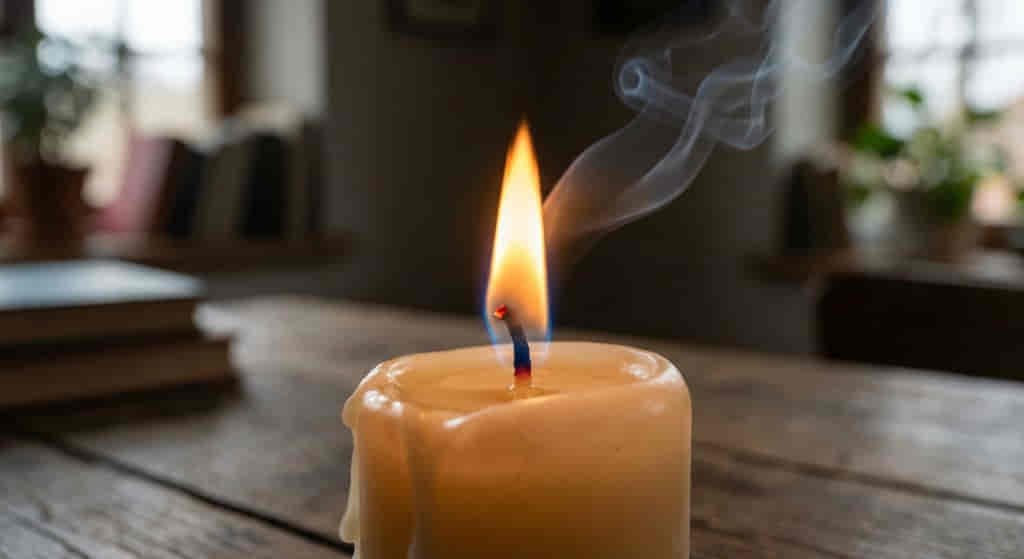
Have you ever lit a candle and found yourself mesmerized by the way the flame moved? Perhaps it flickered unexpectedly, burned higher than usual, or seemed to dance across the wick without any apparent reason. While many people see these behaviors as simple physical reactions to air currents or candle quality, others believe candle flames can carry deeper spiritual symbolism.
For centuries, candles have played an important role in religious ceremonies, meditation practices, manifestation rituals, and spiritual traditions around the world. The flame itself is often viewed as a bridge between the physical and spiritual realms, making it a powerful symbol of transformation, guidance, and energy. Because of this connection, many practitioners pay close attention to the way a candle burns, believing that different flame behaviors may offer insight into intentions, emotions, and unseen influences.
The spiritual meanings of candle flames have fascinated people for generations. A strong, steady flame may be interpreted as a sign of alignment and positive energy, while a flickering or weak flame might suggest challenges, resistance, or changing circumstances. Although there is no universal interpretation that applies to every situation, understanding these common symbols can help deepen your spiritual awareness and encourage meaningful reflection.
In this guide, we will explore some of the most common candle flame meanings and what they may reveal spiritually. Whether you are new to candle reading or simply curious about the symbolism behind unusual flame behaviors, these interpretations can help you approach your observations with greater understanding and intention.
Small or Weak Candle Flame
A small or weak candle flame is one of the most commonly observed behaviors during candle work. Instead of burning brightly and confidently, the flame appears low, fragile, or struggles to maintain its strength. While physical factors such as a short wick or poor-quality candle can sometimes explain this behavior, many spiritual practitioners believe there may also be symbolic meanings worth exploring.
From a spiritual perspective, a weak flame is often associated with resistance. It may suggest that the energy surrounding your intention is not flowing as freely as expected. This does not necessarily indicate failure or a negative outcome. Rather, it can serve as a reminder that certain obstacles, distractions, or unresolved issues may need attention before progress can occur.
Many people encounter a weak flame when working on goals that involve significant personal growth. Whether the intention relates to love, career advancement, healing, or manifestation, the flame may reflect the effort required to overcome challenges along the way. In this sense, the candle acts as a symbolic mirror, highlighting areas where patience and persistence are needed.
Some spiritual traditions also interpret a small flame as a sign of depleted energy. If you have been feeling emotionally exhausted, overwhelmed, or disconnected from your goals, the flame may simply be reflecting your current state. Rather than forcing immediate action, this interpretation encourages self-care, reflection, and restoration.
It is important to remember that a weak flame is not always a warning. Sometimes it represents slow but steady movement. Just as a seed grows beneath the soil long before it becomes visible, meaningful changes can develop quietly before producing noticeable results.
When encountering a small or weak candle flame, consider reviewing your intentions, reconnecting with your purpose, and allowing events to unfold naturally. Often, the greatest transformations begin with subtle shifts that are not immediately obvious.
Steady and Calm Candle Flame
Among all candle flame behaviors, a steady and calm flame is often considered one of the most reassuring signs. The flame burns consistently with very little movement, maintaining a balanced shape and brightness throughout the ritual. Many spiritual practitioners view this type of flame as a reflection of harmony, stability, and energetic alignment.
Spiritually, a calm flame is frequently interpreted as confirmation that your intention is clear and focused. Unlike a flickering or erratic flame that may suggest competing influences, a steady flame often indicates that energy is flowing smoothly without significant resistance. This can create a sense of confidence for those seeking guidance, healing, or manifestation.
Many traditions associate this flame behavior with inner peace. If you have been struggling with uncertainty, emotional stress, or difficult decisions, a stable flame may symbolize a period of clarity and balance. It can serve as a reminder that not every spiritual message arrives through dramatic signs. Sometimes the most meaningful indication is the quiet presence of stability itself.
A steady flame is also commonly linked to trust and patience. In a world that often encourages immediate results, this flame suggests that progress is occurring naturally and at the appropriate pace. There may be no need to force outcomes or constantly search for additional confirmation.
For those practicing meditation or prayer, a calm flame can help reinforce feelings of connection and mindfulness. Its unwavering presence encourages focus and reminds practitioners to remain grounded in the present moment.
Ultimately, a steady and calm candle flame is often viewed as a positive symbol of balance, confidence, and alignment. It suggests that energies are working together harmoniously and that your intentions are being supported by a stable foundation.
Crackling or Popping Candle Flame
A candle that crackles, pops, or produces unusual sounds can be both fascinating and surprising. While physical explanations such as moisture in the wick or impurities in the wax may account for these noises, many spiritual traditions believe that audible activity from a candle carries symbolic significance.
In candle reading practices, a crackling flame is often associated with communication. Some practitioners interpret the sounds as energetic messages attempting to break through and gain attention. This belief has led many people to view popping candles as indicators that spiritual forces are actively engaging with the intention being set.
The volume and frequency of the sounds are sometimes considered meaningful. Occasional soft crackles may suggest subtle communication or minor energetic shifts. Frequent popping or louder sounds are often interpreted as stronger activity, indicating that significant energy is present around the situation.
A crackling flame may also symbolize conflict between opposing energies. If an intention is encountering resistance, the candle’s behavior might reflect competing influences that need to be resolved. In this context, the sounds represent energetic friction rather than smooth movement toward a goal.
For individuals performing cleansing or protection rituals, crackling flames are sometimes viewed as evidence that negative energy is being released. The noises can symbolize old emotional burdens, limiting beliefs, or unwanted influences breaking apart and losing their hold.
Although interpretations vary, one common theme remains consistent. A noisy candle flame tends to attract attention and encourages deeper observation. Rather than dismissing the experience, many practitioners use it as an opportunity to reflect on the circumstances surrounding their intention and consider what messages may be emerging beneath the surface.
Slow-Burning Candle Flame
A slow-burning candle often lasts far longer than expected, consuming wax at a gradual and steady pace. While some candles naturally burn more slowly due to their composition and design, many spiritual practitioners believe this behavior may also carry symbolic meaning.
From a spiritual perspective, a slow-burning flame is frequently associated with patience and divine timing. Not every goal, desire, or transformation unfolds quickly. Some journeys require careful development, and the candle’s slow pace may reflect the need to allow events to mature naturally.
Many people become discouraged when immediate results fail to appear. A slow-burning candle can serve as a reminder that meaningful progress is not always visible in the early stages. Just as roots grow beneath the surface before a tree begins to flourish, important changes may be occurring quietly behind the scenes.
This type of flame is also often linked to stability and endurance. Rather than rushing toward an outcome, the energy surrounding the intention may be building a stronger foundation for long-term success. In this sense, the candle symbolizes persistence rather than speed.
For manifestation practices, a slow burn may indicate that multiple factors are aligning before the desired outcome can fully emerge. Relationships, career opportunities, personal healing, and spiritual growth often involve circumstances beyond immediate control. The candle encourages trust in the process rather than frustration with the timeline.
Many experienced practitioners view slow-burning candles positively because they suggest sustained energy rather than temporary enthusiasm. The flame remains committed to its purpose, continuing steadily even when visible progress appears limited.
Ultimately, a slow-burning candle reminds us that some of life’s most valuable transformations require time. Patience, faith, and consistency often play a greater role in success than speed alone.
Double or Split Candle Flame
A double or split candle flame is one of the most fascinating phenomena observed during candle work. Instead of producing a single flame, the wick appears to create two distinct flames burning side by side. Because this occurrence is relatively uncommon, it often attracts significant attention from those interested in spiritual symbolism.
Many practitioners interpret a double flame as a representation of dual energies. These energies may involve two people, two paths, two opportunities, or two influences affecting the same situation. The appearance of twin flames can suggest that multiple forces are actively shaping the outcome of an intention.
In matters of love and relationships, a split flame is frequently associated with connection and partnership. Some people believe it symbolizes two souls working toward a common purpose or a deep energetic bond between individuals. This interpretation has made double flames particularly popular within discussions surrounding soulmates and spiritual relationships.
However, not all interpretations focus on harmony. In some traditions, a double flame may indicate competing energies or conflicting priorities. The two flames can symbolize opposing viewpoints, difficult choices, or internal struggles that require resolution before progress can occur.
The behavior of the flames often provides additional insight. If both flames burn evenly and peacefully, practitioners may view this as a sign of cooperation and balance. If one flame dominates the other or the flames appear unstable, the symbolism may point toward imbalance or unresolved tension.
Many spiritual readers believe that a double flame encourages closer examination of relationships, decisions, and personal goals. It serves as a reminder that life is often shaped by multiple influences working together simultaneously.
Whether interpreted as partnership, duality, or choice, a split candle flame remains one of the most intriguing symbols in candle divination and spiritual observation.
Read more: Spiritual Meanings of Smelling Sulfur
Conclusion
The spiritual meanings of candle flames have captivated people for generations, offering a unique way to reflect on energy, intentions, emotions, and personal growth. Whether a flame burns high and bright, flickers unexpectedly, dances with intensity, or produces unusual smoke, many spiritual practitioners believe these behaviors can provide valuable symbolic insight into the circumstances surrounding a particular goal or situation.
Throughout history, candles have served as powerful tools for prayer, meditation, manifestation, and spiritual connection. While candle flame interpretations vary across cultures and traditions, one common theme remains consistent: the flame often acts as a mirror, reflecting both internal states and external influences. By paying attention to the subtle ways a candle burns, individuals can cultivate greater awareness, mindfulness, and self-reflection.
At the same time, it is important to approach candle reading with balance and discernment. Physical factors such as airflow, wick quality, wax composition, and environmental conditions can all affect the behavior of a flame. The most meaningful interpretations often arise when practical observation is combined with personal intuition and thoughtful reflection.
Ultimately, the spiritual meanings of candle flames should not be viewed as fixed predictions of the future. Instead, they can serve as symbolic tools that encourage deeper understanding, self-discovery, and spiritual exploration. Every flame tells a story, but the most important interpretation is often the one that resonates with your own experiences and inner wisdom.
Have you ever witnessed a candle flame flicker, split, dance, or behave in an unusual way? Share your experience in the comments below and let others know how you interpreted its meaning. Your story may offer inspiration and insight to fellow spiritual seekers exploring the fascinating world of candle flame symbolism.