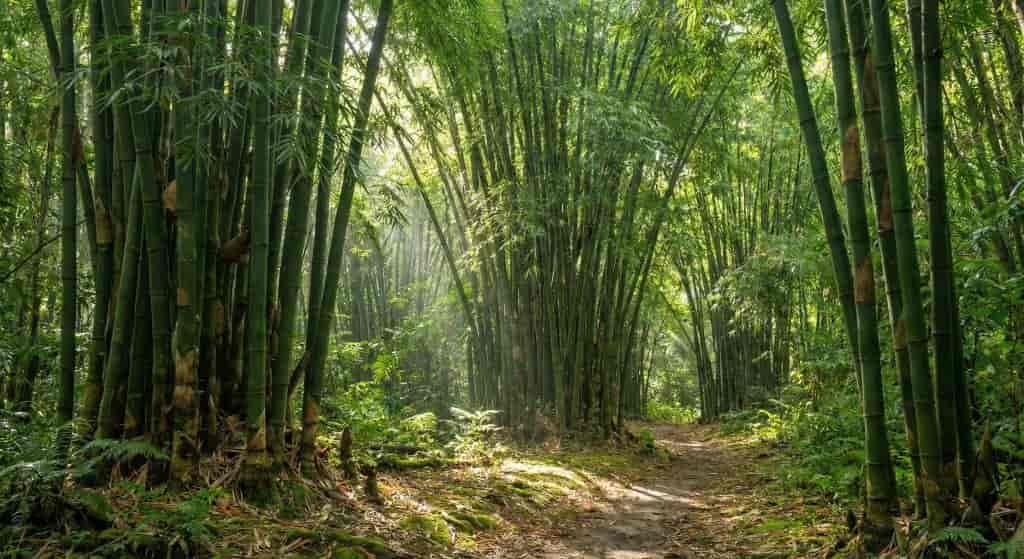
Bamboo stands as a powerful spiritual symbol that has inspired humans for centuries. People admire bamboo not only for its natural beauty, but also for the deeper meanings it carries. Across cultures, bamboo represents strength, balance, and steady growth. In a world filled with pressure and uncertainty, many individuals feel drawn to bamboo because it reflects a calm and grounded way of living.
The spiritual meanings of bamboo closely mirror the human journey. Bamboo grows tall and straight, yet it bends when strong winds appear. Instead of resisting change, it adapts and survives. This quality reminds us that true strength does not rely on force or control. It comes from flexibility, patience, and inner stability. Bamboo also grows quietly. For a long time, its progress remains invisible. When growth finally appears, it happens quickly and with purpose. This pattern reflects spiritual development, where inner work often begins long before visible change occurs.
Many spiritual traditions view bamboo as a sacred plant with gentle and harmonious energy. Its hollow stem symbolizes openness, humility, and the ability to receive wisdom. Its upward growth reflects renewal and spiritual awakening. By understanding the symbolism of bamboo, we can learn how to stay rooted while remaining open to change. Bamboo teaches us how to live with quiet confidence, resilience, and balance in an ever changing world.
What Is Bamboo? A Spiritual Perspective
Bamboo is more than a fast growing plant found in forests and gardens. From a spiritual perspective, bamboo represents a living connection between nature and human consciousness. People have observed bamboo for centuries and learned from the way it grows, survives, and interacts with its environment. Unlike many plants, bamboo grows with purpose. It reaches upward while staying firmly rooted in the ground. This balance between earth and sky gives bamboo strong spiritual significance.
In spiritual symbolism, bamboo often represents purity and simplicity. Its clean lines and natural form reflect a life free from excess and unnecessary weight. Many traditions associate bamboo with clarity of mind and emotional balance. Because bamboo grows in clusters, it also symbolizes community and mutual support. Each stalk stands strong on its own, yet it thrives best when growing together with others.
Bamboo also holds spiritual meaning through its hollow structure. The empty center does not represent weakness. Instead, it symbolizes openness and humility. A hollow stem allows energy, wisdom, and life to flow freely. In spiritual practice, this reflects the idea that growth begins when the mind remains open and free from ego. Bamboo reminds us that true spiritual strength comes from inner space, awareness, and alignment with natural rhythms.
Core Spiritual Meanings of Bamboo
Bamboo carries several core spiritual meanings that appear consistently across cultures and belief systems. These meanings come directly from how bamboo grows and responds to its surroundings. By observing bamboo, people learn important lessons about strength, flexibility, and inner character.
One of the strongest spiritual meanings of bamboo is strength without rigidity. Bamboo stands tall and firm, yet it does not resist the wind. When pressure appears, it bends instead of breaking. This quality teaches that real strength does not come from stubbornness. It comes from the ability to remain grounded while adapting to change. In spiritual life, this lesson encourages emotional resilience and mental stability during difficult times.
Flexibility and adaptability form another central meaning of bamboo. Life rarely follows a straight path, and bamboo reflects this truth. It adjusts its shape to survive storms and harsh conditions. Spiritually, bamboo reminds us to stay open to new directions without losing our core values. Flexibility allows growth, while rigidity often leads to collapse.
Resilience also defines the spiritual symbolism of bamboo. Bamboo can grow in poor soil and extreme weather. It recovers quickly after damage and continues to rise. This resilience mirrors the human ability to heal, rebuild, and move forward after hardship. Bamboo shows that setbacks do not define the future. Persistence and patience shape long term strength.
Another important spiritual meaning of bamboo relates to humility and inner emptiness. The hollow stem represents an open mind and a clear heart. It suggests that wisdom flows best when ego steps aside. By remaining empty, bamboo becomes useful and alive. Spiritually, this teaches that true growth begins with humility, awareness, and the willingness to learn.
Spiritual Meanings of Bamboo in Different Cultures
The spiritual meanings of bamboo become even clearer when viewed across different cultures. Although traditions vary, many societies reach similar conclusions about what bamboo represents. This shared symbolism shows how deeply bamboo connects to universal human values.
In East Asian cultures, bamboo often symbolizes moral integrity and inner strength. People associate bamboo with scholars, monks, and wise individuals who live with discipline and humility. Because bamboo remains green throughout the year, it also represents longevity and spiritual endurance. Artists and poets frequently use bamboo to express the ideal balance between softness and strength.
In Southeast Asian traditions, bamboo holds strong spiritual and communal meaning. Villages use bamboo for homes, tools, and musical instruments, which creates a close bond between daily life and spiritual belief. Bamboo represents protection, unity, and harmony with nature. Many people view bamboo as a plant that carries protective energy and supports emotional stability within the community.
Zen philosophy places strong emphasis on bamboo symbolism. Zen teachings value simplicity, emptiness, and natural flow. Bamboo reflects all three principles. Its hollow stem represents a clear and open mind. Its quiet growth mirrors the idea of silent inner development. Bamboo does not compete with other plants, yet it continues to grow steadily. This quality aligns with the Zen approach to mindfulness and presence.
Across cultures, bamboo also bridges ancient wisdom and modern spirituality. While traditional beliefs emphasize respect for nature, modern interpretations focus on personal balance and emotional resilience. Bamboo continues to serve as a spiritual guide, reminding people to live with awareness, humility, and harmony in any cultural context.
Bamboo Energy and Spiritual Vibration
Bamboo carries a calm and balanced spiritual energy that many people can sense even without formal spiritual practice. This energy comes from the way bamboo grows, moves, and interacts with its environment. Bamboo rises upward with ease, yet it stays deeply rooted in the earth. This natural alignment creates a steady flow of energy that represents harmony between physical life and inner awareness.
One of the most important spiritual aspects of bamboo energy lies in its hollow stem. Emptiness does not signal weakness. Instead, it allows energy to move freely without resistance. In spiritual understanding, openness creates space for clarity, intuition, and wisdom. Bamboo teaches that when we release mental clutter and emotional attachment, energy can flow more smoothly through our lives.
Bamboo also vibrates with the energy of balance. Its tall and slender form reflects vertical growth, which many spiritual traditions associate with higher awareness and personal elevation. At the same time, its strong roots remind us to stay grounded. This combination of upward movement and deep stability reflects emotional balance and spiritual alignment.
Another key aspect of bamboo energy relates to rhythm and timing. Bamboo grows in cycles that follow natural patterns rather than forceful effort. For long periods, growth remains unseen. When conditions align, rapid growth occurs. Spiritually, this pattern encourages trust in timing and patience in personal development. Bamboo energy reminds us that growth feels effortless when we align with natural flow instead of resisting it.
Bamboo in Feng Shui and Spiritual Spaces
Bamboo plays an important role in Feng Shui and many spiritual environments because of its balanced and uplifting energy. People often place bamboo in homes, workplaces, and meditation spaces to invite harmony and positive flow. In Feng Shui, bamboo represents growth, vitality, and steady progress. Its presence supports both emotional well being and long term intention.
Lucky bamboo holds special spiritual meaning. Many people associate it with good fortune, protection, and personal success. The number of stalks often carries symbolic value, as different arrangements reflect intentions such as abundance, health, or harmony. More than decoration, bamboo acts as a reminder of mindful living. Its upright growth encourages focus, while its flexible nature promotes calm responses to stress.
Placement also affects the spiritual influence of bamboo. When placed in areas connected to growth or renewal, bamboo supports motivation and clarity. In workspaces, it encourages steady effort and patience. In living spaces, it creates a peaceful atmosphere that supports emotional balance. Bamboo works best in environments that allow natural light and airflow, which helps maintain its energetic presence.
Beyond Feng Shui, bamboo also enhances spiritual practices. Many people place bamboo near meditation areas to support stillness and awareness. Its simple form reduces distraction and encourages presence. Bamboo does not demand attention. Instead, it quietly shapes the energy of a space. Through this subtle influence, bamboo teaches that spiritual strength often appears through simplicity, intention, and quiet consistency.
Bamboo as a Spiritual Teacher in Life
Bamboo acts as a silent spiritual teacher that offers guidance through its natural behavior rather than spoken words. By observing bamboo, people can learn valuable lessons about patience, humility, and inner strength. Bamboo does not rush its growth. For a long time, nothing appears above the surface. During this period, strong roots develop underground. This process reflects personal growth, where inner stability must form before visible progress appears.
One important lesson bamboo teaches involves patience and trust. Many people feel pressure to succeed quickly or show results. Bamboo shows a different path. It reminds us that steady effort and quiet preparation often lead to lasting success. Spiritual growth follows a similar pattern. True change begins within, even when no external signs appear.
Bamboo also teaches the value of standing tall without ego. Its straight posture reflects integrity and self respect, yet it does not dominate its surroundings. Bamboo grows alongside other plants without competition. This quality encourages a balanced sense of self, where confidence exists without pride and strength exists without control.
Another lesson comes from bamboo’s ability to bend and return upright. Life brings challenges that test emotional and mental resilience. Bamboo shows that bending does not equal failure. It represents wisdom and survival. By staying flexible while remaining rooted in core values, individuals can move through hardship without losing direction. Bamboo teaches that spiritual maturity comes from balance, awareness, and gentle persistence.
Why Bamboo Symbolism Matters in Modern Life
Modern life often moves at a fast and demanding pace. Many people experience constant pressure, emotional fatigue, and uncertainty about the future. In this environment, bamboo symbolism becomes especially meaningful. Bamboo offers a natural model for handling stress while maintaining inner stability. It shows how to remain strong without becoming rigid and flexible without losing direction.
Bamboo symbolism speaks directly to the challenges of burnout and emotional overload. Instead of pushing against every obstacle, bamboo adapts and conserves energy. This approach encourages healthier responses to pressure. By learning from bamboo, individuals can focus on sustainable growth rather than constant struggle. Progress does not require force. It requires alignment, patience, and awareness.
Uncertainty also defines modern life. Career changes, personal transitions, and unexpected events often disrupt stability. Bamboo teaches how to stay rooted during change. Its deep roots provide support, while its flexible structure allows movement. This balance offers a powerful lesson for navigating uncertainty with calm and confidence.
Bamboo also encourages a gentler relationship with success. It grows upward steadily, without comparison or competition. This quality challenges the modern obsession with speed and external validation. By embracing bamboo symbolism, people can redefine success as inner balance, emotional resilience, and long term well being. In a world that often demands more, bamboo reminds us to grow with intention and peace.
Conclusion
The spiritual meanings of bamboo offer timeless guidance for anyone seeking balance, strength, and clarity in life. Bamboo shows that true power does not rely on force or control. It grows tall by remaining flexible, patient, and deeply rooted. Through its natural form and quiet presence, bamboo reflects the values of resilience, humility, and steady inner growth.
Across cultures and spiritual traditions, bamboo represents harmony between strength and softness. Its hollow stem teaches openness and the importance of inner space. Its upward growth reflects renewal and higher awareness. At the same time, its strong roots remind us to stay grounded during change. These qualities make bamboo a powerful spiritual symbol that continues to resonate in both ancient wisdom and modern life.
In a world filled with pressure and constant movement, bamboo offers a different path. It encourages sustainable growth instead of exhaustion. It supports calm responses instead of resistance. By understanding the spiritual meanings of bamboo, individuals can learn how to face challenges with grace, adapt without losing identity, and grow without rushing the process.
Bamboo does not seek attention, yet it leaves a lasting impression. Its lesson remains simple and profound. Stay open, remain rooted, and grow at your own rhythm. When life feels uncertain or overwhelming, bamboo reminds us that quiet strength and balance often lead to the most meaningful transformation.