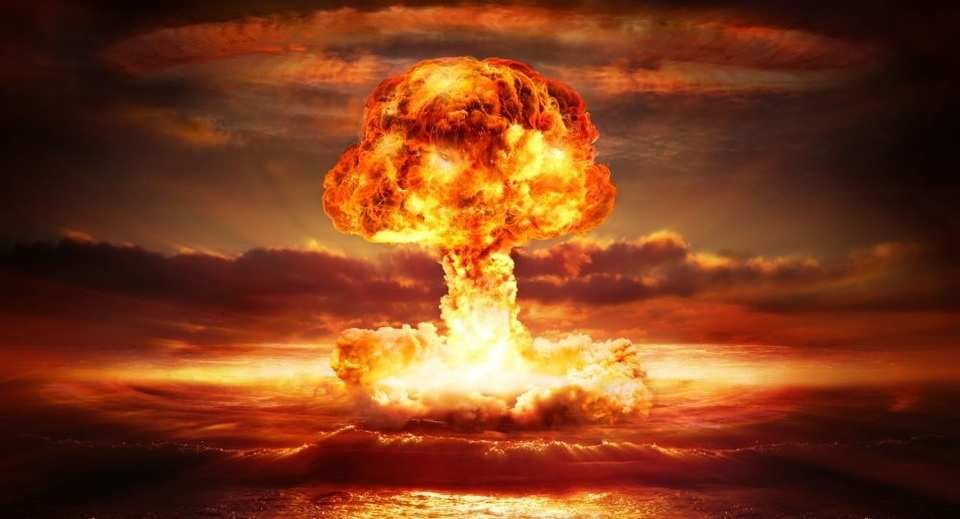
The end of the world spiritually represents the ending of an old reality and the transition into a new phase of life. Rather than predicting the literal destruction of the world, this symbolism often points to profound changes involving your identity, beliefs, relationships, priorities, or sense of purpose. What feels like an ending can mark the point where an established part of your life no longer supports who you are becoming.
There are 9 main spiritual meanings associated with the end of the world, including the completion of a life chapter, personal transformation, spiritual awakening, ego death, release of old attachments, fear of losing control, transition into a new identity, renewal after destruction, and completion of a spiritual cycle. The specific meaning depends on what is ending, how you feel about it, and what is changing in your life at the same time.
End-of-the-world imagery can also appear in dreams, meditation, recurring thoughts, or periods of intense uncertainty. Its spiritual significance is symbolic rather than predictive: experiencing this imagery is not reliable evidence that a real apocalypse will occur. Instead, examining the circumstances surrounding it can reveal whether the symbolism relates more closely to fear and instability or to release, transformation, and a new beginning.
What Does the End of the World Mean Spiritually?
The end of the world spiritually means that an established part of your personal reality is ending so that a different phase can begin. In this symbolism, “the world” does not have to mean the physical Earth. It can represent the structure through which you experience your life, including your identity, beliefs, relationships, routines, priorities, and expectations for the future. When one of these structures changes so completely that returning to the previous state feels impossible, the experience can symbolically resemble the ending of a world.
This symbolism is closely connected to transformation because major personal changes involve both an ending and a beginning. A person leaving a long-term relationship, changing a deeply held belief, moving to another country, becoming a parent, or abandoning an identity they have carried for years may feel that their previous world no longer exists. The physical world remains unchanged, but the person’s relationship with it has fundamentally shifted. The spiritual meaning therefore comes from the transition between an old state and a new one rather than from literal destruction.
The end of the world can also represent the collapse of beliefs or attachments that once provided stability. Spiritual growth sometimes changes how a person understands themselves, other people, success, purpose, or their place in life. When these assumptions stop making sense, the transition can initially feel like loss or disorder because the old framework disappears before the new one becomes clear. In this context, destruction symbolizes the removal of an established structure, while rebuilding represents the formation of a different way of living or understanding yourself.
For this reason, end-of-the-world symbolism is not inherently negative. Fear, chaos, and destruction can indicate resistance to change or anxiety about losing stability, while survival, rebuilding, relief, or a peaceful aftermath can point toward acceptance and renewal. The central spiritual pattern is ending → transition → transformation → new beginning. The details surrounding the experience determine which part of that pattern carries the strongest meaning for you.
What Are the 9 Spiritual Meanings of the End of the World?
There are 9 main spiritual meanings of the end of the world: the end of a life chapter, personal transformation, spiritual awakening, ego death, release of old attachments, fear of losing control, transition into a new identity, renewal after destruction, and completion of a spiritual cycle. Each interpretation describes a different relationship between an ending and the changes occurring within your personal world.
1. The end of an old life chapter
The end of the world can symbolize the completion of a chapter that has shaped your life for a significant period. A relationship ending, leaving a career, moving away from home, finishing an important stage of education, or separating from a familiar social environment can make your previous way of life inaccessible. The symbolism becomes especially relevant when the change affects several areas of your identity at once.
An ending of this kind does not necessarily mean that the previous chapter was harmful. Its spiritual significance comes from completion. You may have learned what that period could teach you, outgrown the identity associated with it, or reached circumstances that require a different direction. For example, someone leaving a career after 15 years may lose not only a job but also routines, professional relationships, status, and a familiar definition of who they are. Symbolically, an entire “world” ends because several connected structures disappear together.
2. A major personal transformation
The end of the world can represent a transformation that changes how you live, think, or understand yourself. Transformation differs from an ordinary adjustment because the person who emerges from the experience does not simply return to the previous state. Their priorities, behavior, relationships, or worldview change with them.
The destruction imagery associated with an apocalypse makes this meaning particularly strong. Symbolically, structures that cannot continue are removed before something different can take their place. A major breakup, relocation, career change, loss of a long-held goal, or profound shift in personal values can produce this pattern. The old structure ends, a period of uncertainty follows, and a new way of living gradually develops. The “end” therefore represents the threshold of transformation rather than its final destination.
3. A spiritual awakening
The end of the world can symbolize a spiritual awakening when an old worldview stops explaining your experiences and a new understanding begins to form. In this interpretation, what ends is not the external world but the framework through which you previously understood it.
A spiritual awakening can involve questioning beliefs, reconsidering priorities, becoming more aware of recurring behavioral patterns, or searching for a stronger sense of meaning. These changes can feel destabilizing because familiar assumptions no longer provide the same certainty. For example, a person who previously measured their identity entirely through achievement may begin questioning whether status and external success reflect what they actually value. Their circumstances may remain similar, but their internal “world” has changed because the meaning attached to those circumstances is different.
This interpretation does not mean that every apocalypse dream or end-of-the-world thought is evidence of spiritual awakening. The symbolism is more relevant when it accompanies a broader change in beliefs, self-awareness, values, or sense of purpose.
4. The death of an old ego or identity
The end of the world can symbolize ego death, where an established identity loses its power to define who you are. In a spiritual context, ego death does not mean physical death or the complete disappearance of personality. It describes the breakdown of a self-concept that has become too restrictive, such as identifying entirely with a career, relationship, social role, achievement, or particular image of yourself.
This process can feel like a world ending because identity provides continuity. When you have understood yourself as a successful professional, someone’s partner, a caregiver, or the person who always has control, losing that role can create the question, “Who am I without this?” For example, leaving a career that has defined you for years may remove your professional title, daily routine, social circle, and source of validation simultaneously. The symbolic destruction represents the loss of the old identity structure rather than the destruction of the person.
From this perspective, ego death creates space for a less restrictive identity. The spiritual lesson is not to eliminate the self but to recognize that a single role, belief, possession, or achievement does not have to determine your entire sense of self. The end of one identity can therefore become the beginning of a broader understanding of who you are.
5. The need to release old beliefs and attachments
The end of the world can mean that you are being confronted with beliefs, habits, expectations, or attachments that no longer fit your current life. This interpretation centers on release. Something that once provided security has become difficult to carry forward, so the symbolism presents an extreme image of separation between what existed before and what comes next.
Attachments can involve people and possessions, but they can also involve less visible structures. Examples include the belief that your life must follow a specific timeline, the expectation that a particular relationship must last forever, the need to receive approval from others, or the assumption that changing direction means failure. These attachments create resistance when reality begins moving in another direction.
The spiritual mechanism is attachment → resistance → ending → release. The stronger the attachment, the more dramatic the ending may feel. For example, someone who has planned one career path since childhood may experience a forced career change as a personal collapse rather than a practical adjustment. Releasing the old expectation does not erase the loss, but it allows the person to respond to present circumstances instead of continually trying to restore a future that is no longer available.
End-of-the-world symbolism can therefore encourage an important question: what are you trying to preserve even though your life is already changing? The answer can reveal which attachment is making the transition more difficult.
6. A fear of losing control
The end of the world can represent fear that events are becoming too large, uncertain, or unpredictable for you to control. Apocalypse imagery is particularly suited to this meaning because it depicts a situation in which ordinary structures, plans, and protections stop functioning. The symbolic focus is therefore not necessarily destruction itself but the inability to prevent it.
This interpretation becomes more relevant during periods of uncertainty involving work, finances, relationships, family responsibilities, relocation, or other major changes. Several uncertainties occurring simultaneously can amplify the symbolism because there is no single problem to solve. For example, changing jobs while moving to a new city can affect income, routine, relationships, home, and future plans at the same time. The mind may represent that combined instability through an image in which the entire world becomes unpredictable.
The emotional response helps distinguish this meaning from transformation or renewal. Intense panic, helplessness, frantic attempts to save everything, or constant searching for safety point more strongly toward fear and control. Calmness, acceptance, curiosity, or attention to what happens afterward can support a different interpretation.
The spiritual value of this meaning lies in distinguishing control from response. You cannot control every external change, but you can decide how to respond to uncertainty, which priorities to protect, and which expectations to release. The symbolic end of control can therefore expose where excessive dependence on certainty has limited your ability to adapt.
7. The transition into a new identity
The end of the world can symbolize the transition between an identity that no longer fits and one that has not yet fully formed. Unlike ego death, which emphasizes the breakdown of identification, this meaning focuses on what develops after that breakdown.
Major life transitions naturally produce identity changes. Marriage can shift someone from thinking primarily as an individual to thinking as a partner. Parenthood can introduce a new role and set of responsibilities. Relocation can remove familiar social identities, while a career change can alter how a person defines success, competence, and purpose. In each case, the external event changes the internal answer to “Who am I now?”
The period between identities can feel uncomfortable because the old self is familiar while the emerging self is incomplete. End-of-the-world symbolism captures this threshold: the previous world cannot be restored, but the next one has not yet been built. Spiritually, this transitional space can encourage conscious decisions about which values, relationships, habits, and priorities should become part of the new identity.
8. Destruction before renewal and rebirth
The end of the world can symbolize the destruction of an outdated structure before renewal becomes possible. This meaning follows the spiritual pattern of death and rebirth, where an ending removes what cannot continue and creates space for something different to emerge.
Renewal does not mean that destruction itself is positive. Losing a relationship, abandoning an important plan, or experiencing a major life disruption can involve genuine grief. The spiritual interpretation comes from what becomes possible after the loss rather than from treating the loss as inherently beneficial. A relationship ending, for example, may be painful while also creating space to rebuild boundaries, priorities, independence, or a clearer understanding of what you need from future relationships.
The aftermath is therefore an important interpretive detail. Images of rebuilding, sunrise, new landscapes, surviving communities, clean water, new growth, or a sense of peace after destruction can strengthen a renewal interpretation. The symbolic sequence becomes destruction → empty space → rebuilding → rebirth. When the experience ends only in terror or unresolved destruction, fear and instability may be more relevant meanings.
9. The completion of a spiritual cycle
The end of the world can represent the completion of a spiritual cycle in which a recurring lesson, pattern, or phase has reached its natural endpoint. A cycle differs from a sudden ending because it suggests that similar experiences have repeated until something changes in how you understand or respond to them.
These cycles can appear through repeated relationship patterns, recurring conflicts, familiar fears, or situations that repeatedly challenge the same belief. For example, someone who continually enters relationships in which they sacrifice their boundaries may eventually recognize the pattern and choose a different response. The external circumstances matter, but the deeper change occurs when the person stops repeating the behavior that sustained the cycle.
Completion does not guarantee that the same challenge will never appear again. It means your relationship with the pattern has changed enough that repetition is no longer automatic. In end-of-the-world symbolism, the finality of the apocalypse can represent this decisive separation from the previous cycle.
This ninth meaning completes the central spiritual pattern behind end-of-the-world symbolism: something established reaches an ending, the ending creates a transition, and the transition creates the possibility of a different way of living. Whether that process feels frightening or liberating depends on what is ending, what you are attached to, and what begins to emerge afterward.
What Does Dreaming About the End of the World Mean Spiritually?
Dreaming about the end of the world can spiritually symbolize a major transition, emotional overwhelm, loss of stability, identity change, or uncertainty about what comes next. The dream does not have one fixed meaning because its interpretation depends on what destroys the world, how you respond, which people or places appear, and what is currently changing in your waking life. The central symbolism remains consistent: something that previously made your life feel familiar or predictable is being disrupted.
A major life transition is one of the strongest contexts for an end-of-the-world dream. Events such as ending a relationship, changing careers, moving to a new place, becoming a parent, or losing an important role can alter several parts of life simultaneously. Your previous routines, expectations, relationships, and identity may no longer function in the same way. A dream can represent this scale of change through an apocalypse because the imagery communicates that returning to the previous state feels impossible. In this case, the world ending symbolizes the end of your old normal.
Emotional overwhelm creates a different interpretation. A dream filled with panic, collapsing structures, uncontrolled destruction, or desperate attempts to escape can reflect the feeling that several pressures are exceeding your ability to manage them. The mechanism is accumulated uncertainty → loss of perceived control → extreme destruction imagery. For example, someone facing financial uncertainty while also experiencing relationship conflict may dream about widespread destruction rather than either problem individually. The scale of the dream mirrors the combined emotional weight of the circumstances.
Your behavior during the dream provides another interpretive signal. Trying desperately to save your possessions or prevent destruction can point toward attachment and resistance. Searching for family members can emphasize fear of separation or concern for important relationships. Surviving and beginning to rebuild can support transformation and renewal. Watching the world end without fear may suggest greater acceptance that a particular phase is complete. These details help narrow the meaning because the same apocalypse imagery can express either fear of change or readiness for change.
The ending of the dream is equally important. Destruction followed by emptiness emphasizes loss, while destruction followed by survival, rebuilding, light, or a new environment can emphasize renewal. Rather than interpreting the apocalypse symbol in isolation, consider the entire sequence of the dream and compare it with the transitions occurring in your waking life.
Why Do I Keep Dreaming About the World Ending?
Repeated dreams about the world ending can indicate that the same unresolved fear, transition, or emotional pattern continues to demand your attention. Recurrence matters because the dream is no longer connected to a single isolated experience. A similar symbolic scenario appearing repeatedly suggests that the underlying concern remains active, although recurring dreams alone do not establish a specific spiritual meaning.
Three details can help identify the recurring pattern: what remains the same, what changes, and how you feel. If every dream involves trying to escape destruction, the recurring theme may involve safety, uncertainty, or loss of control. If you repeatedly survive while everything familiar disappears, identity transition may be more relevant. If the destruction changes but the same person always appears, the relationship with that person may provide more useful context than the type of apocalypse itself.
Changes between recurring dreams can also reveal how your relationship with a transition is developing. A first dream may involve panic and escape, while a later dream may involve survival or rebuilding. Symbolically, that progression can reflect movement from resistance toward adaptation. The opposite pattern—dreams becoming increasingly frightening—can indicate that uncertainty or emotional pressure feels more difficult to manage.
Recurring end-of-the-world dreams should therefore be interpreted through dream content + emotional response + waking-life context, not through a universal prediction. They are not reliable evidence that a literal catastrophe will occur. Their spiritual value lies in identifying what currently feels as though it is ending, what you fear losing, and what part of your life may be moving toward a different state.
Does the Way the World Ends Change Its Spiritual Meaning?
Yes, the way the world ends can change its spiritual interpretation because different forms of destruction emphasize different aspects of change. A flood, fire, earthquake, or zombie apocalypse does not communicate exactly the same symbolic context. The method of destruction should be interpreted together with your emotions and current circumstances rather than treated as a fixed spiritual code.
A flood or tsunami can symbolize emotional overwhelm when water consumes familiar places and removes your ability to maintain control. Water can also represent cleansing or transition when the experience emphasizes what remains after the water recedes. A person watching their home disappear beneath a wave while feeling panic may associate the dream more strongly with instability and loss. Clear water followed by calmness or rebuilding may support an interpretation centered on release and renewal.
A fire apocalypse can symbolize destruction, purification, or rapid transformation. Fire permanently changes what it consumes, making it particularly relevant when an old identity, belief, relationship, or way of living feels impossible to restore. The emotional context remains decisive: being trapped by fire emphasizes danger and fear, while witnessing an old environment burn before moving somewhere new can place greater emphasis on separation from the past.
An earthquake can represent disruption to the foundations that previously made life feel stable. Relationships, beliefs, finances, family structures, careers, and personal identities can all function as symbolic foundations. When one changes suddenly, earthquake imagery can express the experience of discovering that something assumed to be permanent is no longer secure. Cracking ground or collapsing buildings strengthens this association because both images involve structures losing their foundations.
A zombie apocalypse can place greater emphasis on disconnection, loss of individuality, social pressure, or fear that familiar people and environments have become unrecognizable. For example, feeling surrounded by people who behave identically while you struggle to remain yourself can connect the imagery with concerns about conformity or identity. If the dream instead focuses primarily on hiding and survival, fear and personal safety may provide the stronger interpretation.
The form of the apocalypse therefore adds context rather than replacing the central meaning. What destroys the world identifies the nature of the disruption, while your response reveals how you relate to that disruption. Reading both elements together creates a more specific interpretation than assigning one universal meaning to every end-of-the-world experience.
How Can You Interpret an End-of-the-World Spiritual Experience?
You can interpret an end-of-the-world spiritual experience by examining four elements: what ended, what you felt, what is changing in your life, and what happened after the destruction. These elements provide more context than the apocalypse image alone because the same image can represent fear for one person and transformation for another.
First, identify what actually disappears or is destroyed. A collapsing home can carry a different meaning from an entire city disappearing because the objects and places involved may represent different areas of your personal world. Pay attention to people, possessions, locations, and structures that receive the most attention. If your workplace is repeatedly destroyed while other places remain intact, for example, career or professional identity may provide a more relevant context than a general interpretation about transformation.
Second, examine your strongest emotion during the experience. Fear can point toward uncertainty, resistance, or concern about losing stability. Grief can emphasize attachment to something that is ending. Relief may indicate readiness to release an old situation. Calmness can suggest greater acceptance of a transition. The same destruction scene therefore changes meaning according to the emotional response attached to it.
Third, compare the symbolism with specific changes occurring in your waking life. Look for changes involving relationships, career, home, identity, beliefs, responsibilities, or long-term plans. A person preparing to move abroad may interpret a destroyed hometown differently from someone who is experiencing relationship conflict but has no plans to relocate. Current circumstances provide the source context needed to determine which symbolic relationship is strongest.
Fourth, examine what happens after the world ends. The aftermath can distinguish an ending centered on loss from one centered on renewal. Darkness, isolation, or continued danger can reinforce fear and instability. Survival, rebuilding, new landscapes, light, or a feeling of peace can shift the interpretation toward adaptation and rebirth. What follows destruction often reveals whether the experience emphasizes the ending itself or the possibility created by that ending.
For example, imagine dreaming that an earthquake destroys your childhood home. You initially feel frightened, but after the destruction you walk away calmly and see a new landscape. If you are simultaneously leaving your hometown or changing a long-held family role, the sequence can symbolically reflect old foundation → disruption → acceptance → new identity. The interpretation comes from the relationship between the dream and your life context, not from the earthquake symbol alone.
A second example produces a different meaning. Imagine repeatedly dreaming that a flood approaches while you desperately try to save every possession. If you are facing an unavoidable change but continually trying to preserve your previous routine, the stronger pattern may be attachment → fear of loss → resistance to change. In this case, the experience points less toward completed renewal and more toward difficulty accepting an ending.
The most useful interpretation therefore comes from combining symbol + emotion + current circumstances + aftermath. Avoid assigning a spiritual meaning based on one detail alone.
Is Seeing the End of the World a Prediction That Something Bad Will Happen?
No, seeing the end of the world in a dream, meditation, vision, or recurring thought is not reliable evidence that a real apocalypse or another specific disaster will happen. Spiritual interpretation treats end-of-the-world imagery as symbolism connected to personal experiences, emotions, beliefs, and transitions rather than as factual information about future events.
This distinction matters because apocalypse imagery is extreme by nature. A dramatic image can feel important without functioning as a literal prediction. When your familiar life is changing rapidly, an image of the entire world collapsing can symbolically communicate the scale of that change. The experience may feel enormous because several parts of your personal reality are changing simultaneously, not because the physical world is about to end.
The same principle applies when an end-of-the-world experience feels unusually vivid. Intensity does not establish predictive accuracy. A vivid dream about destruction can still reflect fear, uncertainty, identity change, attachment, or emotional overwhelm. Repetition does not turn the imagery into proof of a future event either; recurring experiences are more useful for identifying recurring themes in your current life.
Instead of asking only, “Is this warning me that something bad will happen?”, ask what the experience reveals about your present circumstances. Identify what currently feels unstable, what you are afraid of losing, which change you are resisting, and whether an old identity or life chapter is reaching an endpoint. These questions keep the interpretation connected to observable personal context.
The spiritual value of end-of-the-world symbolism therefore lies primarily in reflection rather than prediction. It can provide a framework for examining endings, fear, transformation, release, and renewal without treating symbolic imagery as evidence that a literal catastrophe is approaching.
Is the Spiritual Meaning of the End of the World Positive or Negative?
The spiritual meaning of the end of the world can be positive or negative depending on whether the experience emphasizes fear and loss or transformation and renewal. Destruction alone does not determine the meaning. Your emotions, current circumstances, response to the ending, and what happens afterward establish the stronger interpretation.
A negative interpretation is more relevant when the experience centers on fear, instability, helplessness, separation, or resistance. You may be worried about losing a relationship, identity, source of security, familiar environment, or future you expected to have. An apocalypse in which you continually run, hide, try to stop the destruction, or desperately protect everything familiar can reflect difficulty accepting uncertainty or change.
A positive interpretation becomes stronger when the experience emphasizes release, awakening, acceptance, renewal, or a new beginning. The destruction may still be frightening, but something meaningful follows it. Surviving, seeing light after darkness, discovering a new landscape, rebuilding, or feeling unexpectedly peaceful can symbolically shift attention from what has disappeared to what can now develop.
Some experiences contain both meanings because major transformation frequently involves loss and possibility at the same time. Leaving an unhealthy relationship, for example, can produce grief because a familiar chapter has ended while simultaneously creating the opportunity to rebuild boundaries and identity. A career transition can remove stability while opening a path that better reflects your current values. The ending is painful without making the transformation itself negative.
For this reason, the most useful spiritual interpretation is not simply “good” or “bad.” Look at the complete pattern. The end of the world symbolizes an ending; the transition reveals your relationship with change; and what emerges afterward reveals the potential for transformation. Across the 9 spiritual meanings, the central sequence remains ending → transition → transformation → renewal. The world that ends symbolically represents what can no longer continue in its previous form, while the world that follows represents what you may be becoming.