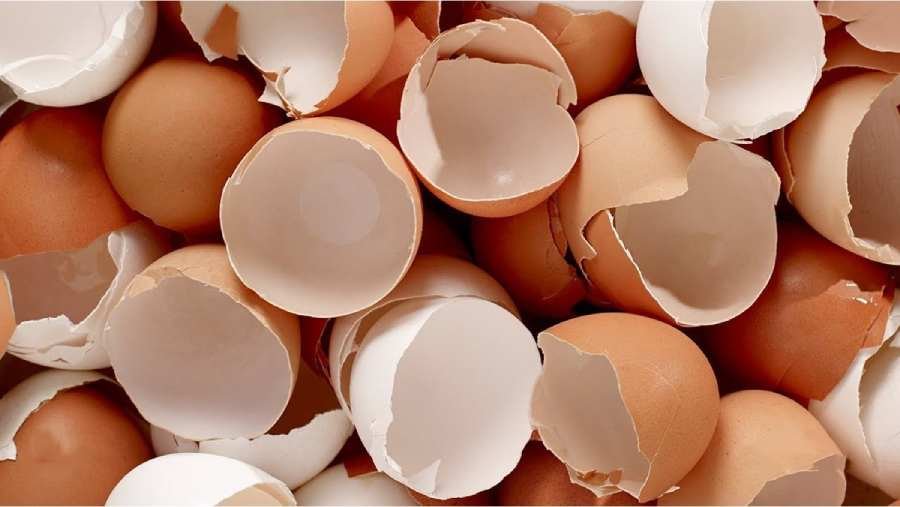
Egg shells spiritually symbolize protection, new beginnings, rebirth, transformation, fertility, and fragility. These meanings come largely from the relationship between the shell and the life it contains: an intact shell forms a protective boundary around developing life, while a broken shell marks the point when that protected state ends and something new emerges. For this reason, egg shells can represent both the need for protection and the process of moving beyond old boundaries.
The condition of an egg shell can also change its symbolic interpretation. An intact shell may represent safety, potential, or spiritual boundaries, while a cracked or broken shell can point to transformation, vulnerability, release, or the beginning of a new stage. An empty shell may instead represent completion—something has developed, departed, or fulfilled its previous purpose. These interpretations make the egg shell a symbol of both preservation and change.
Egg shell meanings are not universal facts or fixed predictions. Their significance varies across spiritual practices, cultural traditions, personal beliefs, and the context in which the shell appears. Understanding these differences helps explain the spiritual meaning of broken, empty, found, and differently colored egg shells, as well as their symbolism in dreams and spiritual practices.
What Is the Spiritual Meaning of Egg Shells?
The spiritual meaning of egg shells centers on protection, potential, transformation, new beginnings, and the boundary between one stage of life and another. An egg contains the possibility of new life, while its shell creates the physical boundary that protects what is developing inside. This relationship gives the egg shell two connected meanings: it represents the protection required during a period of growth and the boundary that eventually has to break for a new stage to begin.
An intact egg shell primarily represents protection and unrealized potential. The shell separates the vulnerable interior of an egg from its external environment, making it a natural symbol for boundaries, security, and preservation. In spiritual interpretation, this symbolism can apply to a person who is protecting an idea, relationship, goal, or period of inner development before it is ready to become visible. The shell therefore represents more than defense; it can symbolize a temporary protected state in which change is already taking place.
A broken egg shell carries a different meaning because breaking changes the relationship between the interior and exterior. The broken shell can represent emergence, transformation, release, or vulnerability. When a shell breaks as new life emerges, the break is necessary rather than destructive. Symbolically, this can represent leaving an old identity, situation, belief, or limitation after it has served its purpose. When the shell is damaged before that process is complete, however, the same image can represent vulnerability or disrupted protection. Context determines which interpretation is more relevant.
An empty egg shell represents what remains after the protected contents have left. Spiritually, an empty shell can symbolize completion, release, and the end of a developmental stage. The distinction is important: a broken shell emphasizes the process of crossing a boundary, while an empty shell emphasizes the state after that transition has occurred. Together, intact, broken, and empty shells create a symbolic sequence of potential → protection → transformation → release.
What Do Egg Shells Symbolize Spiritually?
Egg shells symbolize 6 main spiritual themes: protection, new beginnings, rebirth, transformation, fertility and creation, and fragility or boundaries. These meanings overlap because they originate from the same natural relationship between an egg, the life or potential it contains, and the shell surrounding it. Their relevance changes according to the condition of the shell and the context in which it is interpreted.
Protection is one of the strongest symbolic meanings of an egg shell. A shell physically surrounds and protects the developing contents of an egg, so it naturally functions as a metaphor for a boundary between what is vulnerable inside and what exists outside. In a spiritual context, this can represent protecting personal energy, maintaining emotional boundaries, or preserving something that is still developing. An intact shell therefore fits situations in which protection is necessary without implying permanent isolation.
New beginnings are associated with egg shells because eggs represent the potential for something new to emerge. The shell marks the boundary between the developing state and the outside world. Once that boundary opens, a new stage begins. This symbolism can apply to the start of a relationship, project, personal identity, spiritual practice, or period of life. The shell itself represents the stage before emergence, while its opening represents movement into the new beginning.
Rebirth and transformation focus on the transition from one state to another. A shell cannot continue serving its original protective purpose indefinitely when something inside is ready to emerge. Breaking that boundary becomes part of the transformation. Spiritually, this makes a broken egg shell a useful symbol for leaving behind an identity, habit, belief, or situation that once provided security but now restricts growth. Rebirth in this context does not require literal death; it describes the symbolic ending of one state followed by emergence into another.
Fertility and creation are connected to egg shells through the broader symbolism of the egg. The egg represents potential life, while the shell functions as the vessel and protective structure surrounding that potential. Spiritual traditions and symbolic systems that associate eggs with fertility, creation, or abundance can therefore extend part of that symbolism to the shell. The distinction matters: fertility is more directly associated with the egg and its contents, while the shell more specifically represents the protection and containment of creative potential.
Fragility gives egg shell symbolism an apparent contradiction. A shell provides protection, yet the protection itself can be broken relatively easily. Spiritually, this combination can symbolize the difference between having boundaries and being invulnerable. A person may have emotional, personal, or spiritual boundaries while still remaining vulnerable to pressure or change. A cracked shell can consequently represent weakened protection, exposure, or a boundary that is no longer functioning as it once did.
Spiritual boundaries connect protection and fragility into a single symbolic theme. Like an egg shell, a healthy boundary separates the inner from the outer without necessarily remaining closed forever. It can preserve what requires protection while allowing change when the appropriate time arrives. In this interpretation, the shell represents the boundary itself, an intact shell represents maintained protection, and a breaking shell represents a boundary being crossed or released. Whether that change is positive or negative depends on why the boundary broke and what happens afterward.
What Is the Spiritual Meaning of a Broken Egg Shell?
A broken egg shell spiritually symbolizes transformation, emergence, release, vulnerability, or the ending of a protective stage. Its meaning is not automatically negative because breaking is a natural part of the egg’s symbolic cycle. A shell provides protection while something develops inside, but that boundary must eventually open for what has developed to emerge. The spiritual interpretation therefore depends on how the shell was broken and what the break represents within the surrounding context.
A shell broken through emergence represents transformation and movement into a new stage. In this interpretation, the boundary has completed its protective function and is no longer needed in its original form. The symbolism can apply to leaving an old identity, changing a long-held belief, beginning a new relationship, or moving beyond circumstances that once provided security. The broken shell represents evidence of transition rather than failure: something that was contained has moved beyond its previous limits.
A broken shell can also represent release from restrictions. Protection and limitation can exist at the same time because a boundary that initially creates safety may eventually prevent further growth. Breaking that boundary can symbolize releasing habits, attachments, expectations, or emotional patterns that have become restrictive. This interpretation is especially relevant when the broken shell appears during a period in which a person is consciously ending one phase and preparing for another.
However, a shell that cracks before its contents are ready can carry the contrasting meaning of vulnerability or disrupted protection. The shell is valuable because it protects something delicate, so unexpected damage can symbolize weakened boundaries or exposure. For example, someone reflecting on a cracked shell during a period of emotional pressure may associate it with feeling exposed or insufficiently protected. This interpretation comes from the symbolic context rather than from the shell predicting a negative event.
For this reason, a broken egg shell should not automatically be interpreted as a bad omen. The same image can represent successful emergence in one context and unwanted vulnerability in another. The most relevant interpretation comes from considering what caused the break, what remained after it, and whether the surrounding situation involves growth, release, exposure, or an ending.
What Is the Spiritual Meaning of Finding Egg Shells?
Finding egg shells can spiritually represent transition, new beginnings, protection, release, or vulnerability, depending on the condition of the shell and the context in which it is found. The symbolism comes from what the shell represents rather than from the act of finding one alone. An intact shell, a recently hatched shell, and scattered broken fragments create different symbolic relationships and therefore support different interpretations.
Finding shell fragments associated with hatching can represent a completed transition and the beginning of a new stage. The shell once protected developing life, but its purpose changed when that life emerged. As a spiritual symbol, such a shell can reflect a situation in which preparation has ended and action, independence, or a new direction has begun. Someone already experiencing a major transition may therefore use the encounter as a symbolic reminder of the change taking place.
Finding an intact or mostly intact shell can emphasize protection, boundaries, and unrealized potential instead. The shell remains a container, making its symbolism more closely connected with preservation than release. In personal reflection, this may relate to something that still requires time or protection before it is ready to develop further, such as a private goal, a new relationship, or an internal change that has not yet become visible.
Scattered or unexpectedly damaged shells can instead draw attention to fragility and vulnerability. Because a shell is protective but breakable, its fragments can symbolize a boundary that has been disrupted. This interpretation may be relevant when someone is already considering issues involving trust, privacy, emotional exposure, or personal limits. The fragments themselves do not establish that such an event will occur; they provide an image through which an existing situation can be interpreted.
Finding an egg shell is not inherently proof of a supernatural message. Egg shells have ordinary natural causes and can appear because a bird has hatched, a predator has disturbed a nest, or human activity has left them behind. Spiritual interpretation adds symbolic meaning to the encounter according to personal belief or tradition. Considering both the ordinary explanation and the symbolic context prevents a natural object from being treated as a universal prediction or fixed spiritual sign.
What Does an Empty Egg Shell Mean Spiritually?
An empty egg shell spiritually symbolizes completion, release, transition, and the remains of a stage that has fulfilled its purpose. Unlike an intact shell, which still suggests containment and protection, an empty shell indicates that what was once protected is no longer inside. The emphasis therefore shifts from potential to completion: development has occurred, something has departed, and the structure that supported the previous stage remains behind.
Completion is one of the clearest meanings associated with an empty shell. A shell exists to contain and protect what develops within it, but its original role ends after emergence. Spiritually, this can represent reaching the end of a relationship, project, belief, personal identity, or phase of life. The empty shell does not necessarily symbolize loss. It can represent evidence that a process has reached the point where its previous form is no longer required.
Release is another central interpretation because emptiness indicates that something previously contained is now free from its boundary. This symbolism can relate to letting go of an attachment, emotional burden, restrictive belief, or situation that has completed its role. For example, a person leaving a familiar environment to begin a different stage of life might interpret an empty shell as a symbol of releasing an old structure while retaining what was learned within it.
An empty shell also represents transition because it exists between what has ended and what comes next. It points backward to a completed developmental stage while implying that whatever occupied the shell has moved elsewhere. This gives the symbol a different emphasis from a broken shell. A broken shell focuses on the act of crossing or disrupting a boundary, whereas an empty shell focuses on what remains after the transition.
The condition of the empty shell further shapes its interpretation. A largely intact but empty shell may emphasize completion and departure, while scattered fragments can place greater emphasis on transformation, fragility, or the irreversible end of a previous state. In both cases, the meaning comes from the relationship between what the shell once contained, what has left it, and what remains afterward.
What Do Different Egg Shell Colors Mean Spiritually?
Different egg shell colors can carry symbolic associations with purity, grounding, intuition, peace, nature, or renewal, but there is no universal spiritual meaning assigned to every shell color. Color symbolism changes across spiritual systems, cultures, and individual practices. The physical color of an egg shell also has a natural biological explanation, so its spiritual meaning should be understood as an interpretation added to the object rather than an inherent property of the shell.
What Is the Spiritual Meaning of a White Egg Shell?
A white egg shell is commonly associated with purity, peace, cleansing, clarity, and new beginnings in symbolic systems where white carries these meanings. Combined with the egg’s association with potential and emergence, white strengthens the theme of starting from a clean or renewed state. It can therefore be used symbolically to represent releasing what has ended and approaching a new stage with clarity.
White can also reinforce the protective symbolism of the shell. In a spiritual framework that connects white with cleansing or peaceful energy, the shell’s physical role as a protective boundary creates a combined association with cleansing and protection. This interpretation depends on the spiritual system being used and should not be treated as a universal meaning shared by every tradition.
What Is the Spiritual Meaning of a Brown Egg Shell?
A brown egg shell can symbolize grounding, stability, nature, and connection with the physical world. These associations come primarily from broader color symbolism in which brown is connected with soil, earth, natural materials, and stability. When combined with the protective function of a shell, brown can represent creating a secure foundation while something develops.
This interpretation makes a brown shell particularly relevant to symbolic themes involving stability before growth. New beginnings do not always require immediate movement; some require a stable environment first. A brown egg shell can therefore represent the grounded or practical conditions that allow transformation to occur without losing a sense of security.
What Is the Spiritual Meaning of a Blue Egg Shell?
A blue egg shell can symbolize calmness, communication, intuition, and spiritual awareness in symbolic systems that associate blue with these qualities. Its meaning combines the broader symbolism of blue with the egg shell’s themes of protection and developing potential. In this context, a blue shell can represent protecting inner peace, listening to intuition, or creating boundaries around personal reflection.
Naturally occurring blue shells also demonstrate why physical reality and spiritual interpretation should remain distinct. Their coloration is a biological characteristic rather than evidence of a spiritual event. A person may assign symbolic significance to encountering one, but the interpretation comes from the spiritual or color-symbolism framework being applied. Context and tradition therefore matter more than color alone when interpreting the spiritual meaning of an egg shell.
What Do Egg Shells Mean in Dreams?
Egg shells in dreams can symbolize protection, vulnerability, transformation, new beginnings, or the completion of a life stage. The specific interpretation depends on three factors: the condition of the shell, what happens to it in the dream, and the emotional or personal context surrounding the experience. An intact shell and a shattered shell create different symbolic relationships, so seeing an egg shell in a dream does not have one fixed spiritual meaning.
Seeing an intact egg shell can represent protection, boundaries, or potential that has not yet been expressed. Because the shell surrounds and protects what is inside, it can reflect something in the dreamer’s life that remains private, protected, or unfinished. For example, an intact egg may correspond symbolically with an idea, relationship, personal goal, or inner change that is developing but is not yet ready to emerge. Feelings of safety during the dream strengthen the protection interpretation, while feelings of confinement may shift the emphasis toward restrictive boundaries.
Seeing broken egg shells can symbolize transformation, release, or vulnerability. A shell that breaks because something emerges from it fits the symbolism of growth and transition: the previous boundary has completed its purpose. A shell that is unexpectedly crushed or damaged can carry a different interpretation because the protective structure has been disrupted. In that context, the dream may be interpreted through themes such as exposure, fragile boundaries, or fear of losing something that still requires protection.
Breaking an egg yourself can place greater emphasis on action and personal involvement in change. Symbolically, the dreamer is not simply observing a transition but participating in the event that opens the protective boundary. The interpretation may therefore relate to deliberately ending an old pattern, revealing something previously hidden, or initiating a new stage. The emotions surrounding the action matter: relief can support a release interpretation, while anxiety can point toward concern about acting before the right time.
An empty egg shell in a dream can represent completion and what remains after a transition. Something once occupied the protected space but is no longer there. This image can correspond symbolically with a finished relationship, completed goal, abandoned identity, or previous stage of personal development. Rather than automatically representing emptiness in a negative sense, the shell can indicate that a previous container has served its purpose and is no longer required.
Protecting an egg from breaking can symbolize the desire to preserve something fragile or still developing. The protected object might represent a new plan, relationship, responsibility, or aspect of the self that the dreamer considers vulnerable. The dream’s emotional context helps distinguish healthy protection from excessive fear of change. Protecting the egg calmly suggests preservation, while an intense fear of any damage may symbolically reflect anxiety about uncertainty or losing control.
Dream interpretation remains subjective rather than predictive. An egg shell appearing in a dream does not establish that a specific event will happen. Its symbolic value comes from the relationship between the dream image and the dreamer’s circumstances, beliefs, emotions, and cultural or spiritual framework. Condition, action, and context provide a more useful interpretation than assigning every egg shell dream the same meaning.
How Are Egg Shells Used in Spiritual Practices?
Egg shells are used symbolically in some spiritual and folk practices for protection, cleansing, boundaries, ritual work, and altar symbolism. Their use generally develops from the same symbolic relationship that gives egg shells their spiritual meaning: a shell physically protects what is inside, so it can become a material representation of protection or separation within a spiritual practice. Specific meanings and methods differ between traditions, which makes it important to identify the cultural or spiritual context rather than treating all egg shell practices as interchangeable.
Protection is one of the clearest reasons egg shells appear in spiritual practices. The shell’s protective function provides the symbolic basis for associating it with spiritual boundaries. Crushed or prepared shells may therefore be incorporated into practices in which the practitioner intends to represent protection, separation, or the maintenance of a boundary. The symbolic mechanism follows a direct relationship: the shell protects the egg physically, and the spiritual practice extends that protective association metaphorically.
Egg shells can also appear in spiritual cleansing practices, where their symbolism may be connected with removing unwanted influences and establishing a protected state afterward. Cleansing and protection are related but distinct concepts. Cleansing focuses on removing or releasing what is considered unwanted, while protection focuses on establishing or maintaining a boundary. When egg shells appear in both contexts, their meaning depends on the specific tradition and the role assigned to them within that practice.
Ritual use can extend beyond protection and cleansing. Egg shells may function as symbols of fertility, creation, transformation, death of an old state, or emergence into a new one, depending on the purpose of the ritual. A whole egg emphasizes containment and potential, whereas an empty or broken shell places greater symbolic emphasis on release and transformation. The physical condition of the shell can therefore support different ritual meanings rather than functioning as a single universal symbol.
Egg shells may also be placed on altars or incorporated into symbolic arrangements when their meanings correspond with the intention of the practice. For example, a person working within a tradition that associates eggs with fertility or renewal may use a shell as a representation of those concepts. Another practice may emphasize the shell as a protective boundary instead. The meaning comes from the tradition, intention, and symbolic relationship assigned to the object, not from the egg shell possessing a universally established spiritual property.
Cultural specificity is especially important when discussing these practices. Egg-related traditions can have distinct histories, rules, materials, and religious meanings, and combining them into a generic ritual can erase those differences. A spiritual interpretation should therefore distinguish between broad symbolism—such as protection or transformation—and practices that belong to identifiable cultural or religious traditions.
Read more: Spiritual Meaning of Egg Shells
Do Egg Shells Have the Same Spiritual Meaning in Every Tradition?
No, egg shells do not have the same spiritual meaning in every tradition. Their symbolism varies according to cultural beliefs, religious practices, folk traditions, and the specific purpose for which eggs or shells are used. Protection, fertility, new life, transformation, and cleansing can appear as recurring themes, but these similarities do not mean that every tradition interprets egg shells in the same way.
The distinction between the egg and the egg shell is especially important when comparing traditions. An egg can represent life, fertility, creation, or unrealized potential because it contains what may develop into new life. The shell has a narrower symbolic function because it surrounds that potential. It can therefore emphasize protection, containment, boundaries, fragility, or the moment when a protected state ends. A tradition that gives symbolic importance to eggs does not automatically assign every aspect of that symbolism to discarded egg shells.
Cultural context also determines how an egg-related symbol functions. The same physical object can represent different concepts when it appears in different belief systems. One practice may emphasize the protective quality of a shell, another may focus on fertility or renewal, and another may use an egg within a cleansing or divinatory practice in which the shell itself is not the central symbol. The ritual action, intention, and traditional framework determine which association is relevant.
This is why broad statements such as “egg shells always mean protection” or “finding an egg shell means good luck” are too absolute. There is no single universal spiritual interpretation that applies to every egg shell encounter. A more accurate interpretation identifies whether a meaning comes from a particular tradition, broader symbolic associations, or an individual’s personal spiritual framework.
The distinction also prevents separate traditions from being combined into a single generalized system. A practice involving eggs in one cultural context should not automatically be used to explain a practice from another tradition simply because both involve the same object. Shared objects can develop different meanings independently. When a specific tradition is known, its own historical and cultural context should take priority over a generalized interpretation.
How Should You Interpret an Egg Shell as a Spiritual Sign?
Interpret an egg shell as a spiritual sign by examining 4 factors: its condition, the context of the encounter, the symbolic association that fits the situation, and the spiritual tradition being used for interpretation. These factors provide a structured way to explore the symbolism without assuming that every egg shell carries a predetermined supernatural message.
First, examine the condition of the egg shell. An intact shell emphasizes protection, containment, boundaries, and potential because its protective structure remains in place. A cracked shell can point toward vulnerability or a transition that has started but is not complete. A broken shell can represent emergence, transformation, release, or disrupted protection. An empty shell shifts the emphasis toward completion because whatever was once contained has already departed.
Second, consider the context in which the shell appeared. Finding a hatched shell outdoors has an ordinary natural explanation while also providing an image that can be interpreted symbolically as emergence or new beginnings. Encountering an egg shell during a period of major personal change may make transformation feel like the most relevant symbolic association. Context narrows the interpretation by connecting the symbol with the circumstances surrounding it.
Third, identify the symbolic association that most closely matches the situation. Protection is relevant when the central issue involves boundaries or preserving something vulnerable. Transformation is more appropriate when an old stage is ending and another is beginning. Fertility or creation may fit circumstances involving the development of something new, while fragility may be more relevant when security or boundaries feel unstable. A single shell does not need to represent every possible meaning simultaneously.
Fourth, consider the spiritual or cultural tradition behind the interpretation. A meaning documented within a specific tradition should be understood within that tradition rather than automatically generalized to all spiritual practices. Personal symbolism can also be meaningful to an individual, but it should remain distinguishable from culturally established beliefs. This distinction makes it possible to discuss spiritual meaning without presenting personal interpretation as a universal tradition.
The most useful interpretation therefore follows a simple relationship: condition identifies the state of the symbol, context identifies why it feels relevant, association identifies the possible meaning, and tradition provides the interpretive framework. For example, finding an empty shell after completing an important stage of life could be interpreted through completion and release, while seeing an intact egg during the early development of a new project could emphasize protection and potential.
An ordinary explanation and a spiritual interpretation can also exist together. A bird’s egg shell on the ground can simply indicate that hatching or another natural event occurred. A person may still use that encounter as a symbolic prompt for reflection on emergence, vulnerability, or change. Spiritual symbolism provides a framework for interpreting an experience; it does not establish that every encounter with an egg shell is a supernatural sign or prediction.