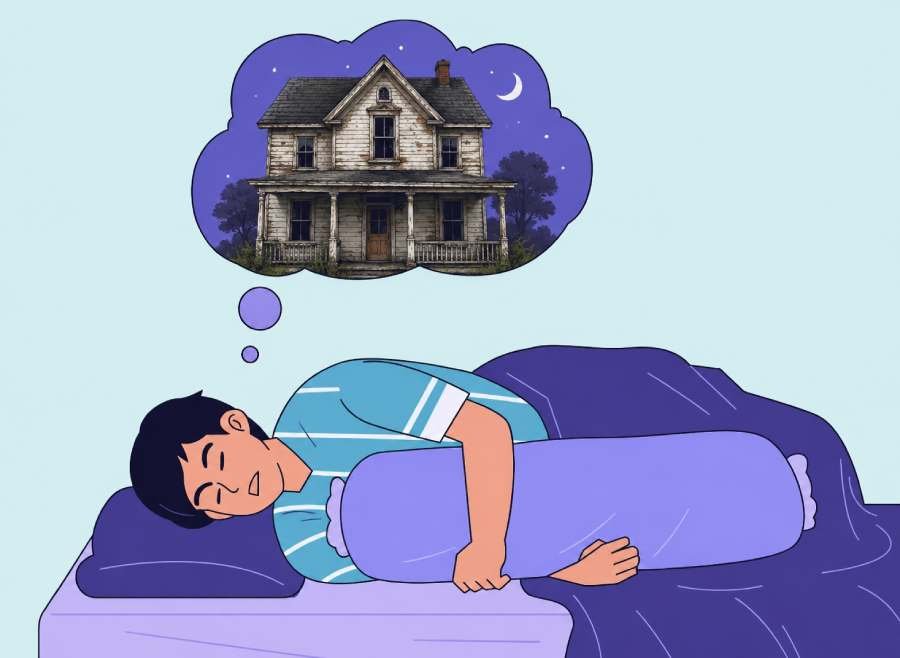
Dreaming about an old house spiritually represents your relationship with the past, including memories, previous versions of yourself, unresolved emotions, established beliefs, and experiences that still influence your present life. Because a house often symbolizes the inner self or personal life in spiritual dream interpretation, seeing an old one can direct attention toward parts of your history that remain emotionally or spiritually significant.
An old house is not automatically a negative spiritual sign. Its meaning depends on what the house looks like, whether you recognize it, what happens inside it, and how you feel during the dream. A well-maintained old house, for example, can symbolize appreciation for your roots, accumulated wisdom, or acceptance of your past. A neglected or abandoned house can represent memories, emotional needs, or old patterns that require attention. Cleaning or renovating the house can point toward healing and renewal, while leaving it can symbolize closure or moving beyond an earlier stage of life.
The most useful interpretation therefore comes from examining the old house as a complete symbol. Its condition, your actions, specific rooms or features, and your emotional response can reveal whether the dream centers on remembrance, unresolved experiences, healing, identity, or personal transformation.
What Does Dreaming About an Old House Mean Spiritually?
Dreaming about an old house spiritually means that some part of your past remains connected to your present identity, emotions, beliefs, or personal growth. The house can represent your inner world, while its age adds a connection to history and experiences accumulated over time. For example, recognizing a house from childhood can direct the meaning toward formative memories, whereas seeing an unfamiliar old house can represent aspects of yourself that feel distant or unexplored.
The condition of the old house provides another layer of meaning. A strong, well-preserved house can represent stability, enduring values, or parts of your past that continue to support who you are today. A deteriorating house can symbolize an area of your inner life that has been neglected or a belief that no longer fits your present circumstances. The same symbol therefore has different meanings depending on its characteristics rather than carrying one universal spiritual message.
Your relationship with the house also matters. Feeling comfortable inside it can indicate acceptance of your history or a positive connection with your roots. Feeling trapped, frightened, or desperate to leave can point toward discomfort with an earlier experience, identity, or emotional pattern. Returning voluntarily can represent a willingness to revisit something from your past, while being forced back into the house can reflect a sense that an old issue continues to demand attention.
For this reason, an old house dream is best interpreted as a reflection on the relationship between your past and your present self. The dream becomes more specific when the identity and condition of the house are considered alongside your actions and emotions.
What Are the Spiritual Meanings of Dreaming About an Old House?
There are 7 main spiritual meanings of dreaming about an old house: connection with your past, unresolved experiences, an old version of yourself, established beliefs and patterns, emotional healing, family roots, and personal transformation. These meanings share one central theme: something formed in the past continues to hold significance in your present inner life.
1. Connection with your past. An old house can symbolize memories and experiences that remain part of your personal history. This connection is especially strong when the house is recognizable, such as a childhood home or a place where you lived during an important period. Walking through familiar rooms, seeing old furniture, or recognizing specific details can reflect a mental return to experiences associated with that stage of life. The dream does not necessarily mean you should return to the past; it can instead show how the past remains part of your present identity.
2. Unresolved experiences. An old house can represent an experience that still carries emotional weight when the dream repeatedly directs your attention toward damaged, inaccessible, dark, or uncomfortable parts of the property. For example, repeatedly trying to enter a locked room can symbolically correspond with something you have difficulty confronting or understanding. The interpretation should come from your personal associations with the dream rather than assuming that every damaged house represents trauma or a hidden problem.
3. An old version of yourself. The house can represent who you were during an earlier period of your life. Returning to it may coincide with remembering previous ambitions, relationships, habits, priorities, or ways of seeing yourself. A person who dreams about living again in a former home during a major life transition, for example, may be mentally comparing a previous identity with the person they are becoming now.
4. Established beliefs and patterns. An old house can symbolize beliefs, habits, and emotional patterns that have existed for a long time. The structure of the house is particularly relevant to this interpretation because a building provides a framework in which people live, just as established beliefs provide a framework through which experiences are interpreted. Discovering that parts of the house no longer function can therefore symbolize recognition that an old way of thinking or behaving no longer supports your current life.
5. Emotional healing. Dreams involving repairing, cleaning, restoring, or opening an old house can symbolize active engagement with parts of your history rather than avoidance of them. Cleaning a neglected room, for example, can represent an effort to organize difficult feelings or reconsider an old experience. Repairing structural damage can carry a stronger theme of rebuilding. In spiritual interpretation, these actions point toward healing when the dream involves restoration, relief, or a growing sense of safety.
6. Family roots and personal history. An old family house can represent your connection with upbringing, family memories, inherited values, and a sense of belonging. Specific objects or rooms can make this association stronger when they are connected to parents, grandparents, siblings, or other significant people. Such a dream does not by itself establish communication with ancestors or another supernatural event. Its spiritual significance can instead lie in examining which parts of your family history you continue to carry and how they influence your present identity.
7. Personal transformation. An old house can symbolize transformation when the dream contrasts what has been with what is changing. Renovating the property, opening previously inaccessible areas, bringing light into dark rooms, or eventually leaving the house can all create a transition from an old state toward a new one. The central spiritual theme is not the destruction of your past but the integration, renewal, or release of what no longer needs to remain unchanged.
These 7 meanings are not mutually exclusive. One dream can contain several at the same time because memories, identity, beliefs, family history, and personal growth are closely connected. The strongest interpretation comes from identifying which meaning corresponds most closely with the house itself and with what you experienced while inside it.
How Does the Condition of the Old House Change Its Spiritual Meaning?
The condition of an old house changes its spiritual meaning because the physical state of the house can reflect how you currently relate to your past, inner life, memories, or long-established patterns. A preserved house suggests a different relationship with the past than an abandoned or collapsing one. The condition should therefore be interpreted together with your emotions and actions rather than treated as an independent symbol.
A beautiful or well-maintained old house can symbolize stability, valuable memories, personal wisdom, or a healthy connection with your roots. The age of the house represents history, while its good condition suggests that something from that history continues to have value. For example, feeling peaceful while walking through a well-preserved family home can represent acceptance of where you came from and recognition that previous experiences helped shape your present identity.
A damaged or decaying old house can symbolize neglected emotions, outdated beliefs, or parts of your life that require attention. Cracked walls, a leaking roof, broken windows, or unstable floors add a theme of deterioration to the dream. For example, discovering that a familiar old home is falling apart can reflect awareness that a belief, relationship pattern, or former way of living no longer provides the stability it once did. The damage does not necessarily predict something negative; it can represent recognition that change is necessary.
An abandoned old house can represent disconnection from a previous identity, forgotten memories, or aspects of yourself that have received little attention. Abandonment differs from simple age because it introduces the idea that something has been left behind. Entering such a house can symbolize revisiting a part of your personal history, while observing it from outside can suggest greater emotional distance from that period. The interpretation becomes stronger when you recognize the property or associate it with a specific person, relationship, or stage of life.
A haunted old house can symbolize fears, memories, or emotional associations that continue to feel present even though their original circumstances belong to the past. In this interpretation, the haunting functions as a symbol of something that continues to affect the emotional atmosphere of your inner world. For example, repeatedly encountering a frightening presence in the same room can represent an issue that remains associated with fear or discomfort. A haunted-house dream alone does not establish that a supernatural presence or spirit is contacting you.
An empty old house can symbolize absence, emotional distance, transition, or a chapter of life that no longer feels active. Empty rooms can emphasize what is missing rather than what remains. If the emptiness feels peaceful, the dream can represent closure and readiness for a new stage. If it produces sadness or loneliness, it can point toward longing for people, relationships, or experiences connected with the past.
The strongest interpretation comes from combining condition with emotional response. A decaying house that makes you curious can suggest readiness to examine something neglected, while the same house accompanied by intense fear can point toward resistance or discomfort. The old house provides the central symbol, but its condition shows what kind of relationship with the past the dream may be expressing.
What Does Dreaming About Your Childhood or Former Home Mean Spiritually?
Dreaming about a childhood or former home spiritually represents a connection with a specific period of your personal history rather than the past in general. Because you have actually lived in the house, its rooms, objects, people, and atmosphere can carry associations with the identity and experiences you developed there. The dream can therefore become particularly relevant during periods when you are reconsidering where you came from or how much you have changed.
Dreaming about your childhood home can point toward formative experiences, early emotional patterns, family relationships, and the beliefs you developed while growing up. Childhood is a period when ideas about safety, belonging, relationships, success, and self-worth begin to take shape. Returning to the house in a dream can bring those earlier patterns into symbolic contact with your present identity. For example, finding yourself in your childhood bedroom while facing an important adult decision can reflect a comparison between who you were then and who you are now.
The age at which the house appears can also provide context. If everything looks exactly as it did during childhood, the dream may be strongly connected with memories from that period. If the childhood house looks different, larger, smaller, damaged, or renovated, the changes can reflect your current perception of those experiences. A house that once felt enormous but appears small in a dream, for example, can symbolize how your perspective has changed as you have grown.
Dreaming about a house you used to live in as an adult can represent a previous life stage, relationship, routine, ambition, or identity. The relevant question is what your life was like while you lived there. Returning to an apartment associated with your first job can carry a different meaning from returning to a home shared with a former partner. The building serves as a contextual container for the experiences connected with that period.
A dream about an old family house can place greater emphasis on roots, belonging, inherited values, and family history. A grandparent’s house, for example, can become associated with family traditions, childhood gatherings, particular relationships, or values learned from older relatives. The spiritual interpretation comes from examining what that family connection represents in your life rather than automatically treating the dream as a message from an ancestor.
Your feelings upon returning to the home help determine whether the dream emphasizes reconnection or separation. Warmth, safety, and familiarity can indicate appreciation for aspects of your history that remain meaningful. Anxiety, confinement, or a strong desire to escape can indicate tension with an earlier identity or experience. Feeling surprised that the house still exists can represent recognition that something you considered finished still has emotional significance.
Dreaming about a former home does not necessarily mean you should return to an earlier period of life. It can instead create a symbolic comparison between past self and present self. The house shows where part of your personal story developed, while your experience inside it can reveal whether you are preserving, reassessing, healing, or moving beyond what that period represents.
What Do Your Actions in an Old House Dream Mean Spiritually?
Your actions in an old house dream spiritually represent how you are interacting with your past, established patterns, memories, or an earlier version of yourself. Entering, cleaning, renovating, moving into, or leaving the same old house creates different meanings because each action describes a different relationship with what the house represents.
Returning to an old house can symbolize revisiting something from your past. The subject can be a previous relationship, unresolved experience, former ambition, old belief, or earlier identity. Returning voluntarily can indicate readiness to examine that period again, especially when you feel calm or curious in the dream. Repeatedly finding yourself back in a house you want to leave can carry a different meaning: an old issue or pattern may still feel relevant despite your efforts to move beyond it.
Cleaning an old house can symbolize clearing emotional or mental material connected with the past. Cleaning removes accumulated objects, dirt, or disorder without destroying the underlying structure, which makes it a useful symbol for reassessment rather than rejection. For example, throwing away unwanted objects while keeping meaningful possessions can represent distinguishing between experiences you want to preserve and patterns you are ready to release. A feeling of relief after cleaning strengthens the interpretation of emotional clearing or renewal.
Renovating an old house can represent healing and rebuilding an existing part of yourself. Renovation differs from leaving or demolishing the property because the original structure remains while particular areas are repaired or changed. Spiritually, this can symbolize integrating past experiences into a healthier present identity. Repairing broken windows, restoring damaged walls, or bringing light into dark rooms can represent changing how you relate to memories, beliefs, or emotional patterns that previously felt damaged or limiting.
Moving into an old house can symbolize renewed involvement with something from an earlier stage of life. This can involve reconnecting with personal values or rediscovering an abandoned interest, but it can also represent returning to a pattern you previously outgrew. The emotional atmosphere distinguishes these interpretations. Moving in with excitement can suggest meaningful reconnection, while feeling trapped or reluctant can indicate concern about repeating an old cycle.
Leaving an old house can symbolize closure, detachment, or transition into a new stage of life. Walking away peacefully can represent acceptance that a previous identity, relationship, or chapter has fulfilled its role. Running away in fear can indicate a stronger desire to distance yourself from something associated with that period. The destination also matters: leaving the old house and entering a brighter or more open environment can strengthen themes of transition and renewal.
Actions therefore reveal whether your relationship with the symbolic past involves returning, clearing, repairing, re-entering, or releasing. The most relevant meaning comes from considering what you did, why you appeared to do it, and how you felt afterward.
What Do Different Rooms in an Old House Mean in a Dream?
Different rooms in an old house can spiritually represent different areas of your inner life, memories, and personal history. The room that receives the most attention in the dream is especially relevant because its ordinary function can provide context for what the old house symbolizes.
An old bedroom can represent private identity, vulnerability, intimacy, or deeply personal memories. Bedrooms are private spaces associated with rest and personal relationships, so returning to a former bedroom can direct attention toward experiences connected with that stage of life. Seeing your childhood bedroom exactly as you remember it, for example, can emphasize an earlier version of yourself. Finding the room dramatically changed can instead reflect the distance between your past and present identity.
An old basement can symbolize emotional material that feels hidden, avoided, or difficult to access. Its location beneath the main living areas gives it a symbolic association with experiences kept outside everyday awareness. Entering a dark basement can represent confronting something you have avoided examining, while bringing light into it can suggest greater willingness to acknowledge what has remained hidden. The symbolism does not prove the existence of repressed memories; it provides a framework for reflecting on feelings or experiences you already associate with the dream.
An old attic can represent stored memories, forgotten ideas, family history, or experiences that have been mentally set aside. Attics commonly hold objects that are no longer used every day but have not been discarded, creating a natural symbolic connection with the past. Finding photographs, letters, toys, or familiar possessions can strengthen this meaning because each object may connect the dream to a particular person or period.
A hidden room can symbolize an overlooked or unexplored aspect of yourself. Discovering a room you did not know existed introduces something new within a structure that is already old. Spiritually, this contrast can represent discovering a personal quality, memory, desire, or possibility connected with your history but not previously recognized. Feeling excited about the room can suggest openness to discovery, while fear can indicate discomfort with what the unexplored area represents.
The meaning of a room becomes clearer when location, condition, contents, and emotion are considered together. A bright attic filled with treasured family objects carries a different message from a locked basement that produces fear. The room narrows the symbolism of the old house by showing which area of your personal history or inner life deserves the most attention.
How Do Your Emotions Change the Meaning of an Old House Dream?
Your emotions change the meaning of an old house dream because they reveal how you currently relate to the memories, experiences, beliefs, or previous identity represented by the house. The same old house can carry a very different spiritual meaning when it produces fear instead of peace, sadness instead of curiosity, or comfort instead of a desire to escape.
Feeling scared in an old house can represent discomfort with something connected to your past. The fear may relate to an unresolved experience, an outdated pattern, uncertainty about revisiting an earlier stage of life, or an aspect of yourself you do not feel ready to examine. For example, walking through a familiar old house while feeling increasingly afraid can indicate that the dream is less about the building itself and more about the emotional associations you have with what happened during that period.
Fear becomes more significant when the dream contains a specific trigger. A locked room, dark staircase, damaged wall, or unknown presence can narrow the interpretation toward whatever that feature represents to you. Being afraid of entering a room suggests a different relationship with the past than being afraid that the entire house will collapse. The first centers on approaching something specific, while the second can symbolize concern about the stability of an established part of your life.
Feeling peaceful in an old house can symbolize acceptance, emotional security, or a positive connection with your roots. You may recognize that your past remains part of you without feeling controlled by it. Sitting comfortably in a childhood home, walking through familiar rooms, or seeing meaningful possessions while feeling calm can represent appreciation for experiences that contributed to your present identity.
Peace can also indicate integration rather than a desire to return. You do not need to want your former life back for an old house to feel comforting. The dream can instead reflect an ability to remember a previous chapter without conflict. This distinction matters because spiritual growth can involve accepting the past while continuing to move forward.
Feeling sad in an old house can represent loss, longing, grief, or awareness that a previous chapter has ended. The sadness may concern a person, relationship, place, opportunity, or former version of yourself associated with that period. For example, finding a childhood house empty while remembering the people who once lived there can connect the dream with the passage of time and recognition that circumstances have changed.
Sadness does not necessarily mean the dream carries a negative message. Grief and acceptance can exist together, especially when a person is processing a major transition. Walking through an old home for the last time and leaving peacefully can symbolize acknowledging what has been lost while becoming ready to continue into a different stage.
Feeling curious in an old house can symbolize readiness to explore your personal history or an unfamiliar aspect of yourself. Curiosity creates an exploratory relationship with the house rather than an avoidant one. Opening doors, examining forgotten objects, climbing into an attic, or discovering rooms can represent a willingness to understand experiences or qualities that previously received little attention.
Your emotional response is therefore one of the strongest contextual clues in an old house dream. Fear can indicate resistance, peace can indicate acceptance, sadness can indicate loss, and curiosity can indicate exploration. These meanings become more precise when the emotion is connected with a specific room, object, action, or memory in the dream.
Why Do You Keep Dreaming About the Same Old House?
Repeatedly dreaming about the same old house can mean that the memories, emotional associations, personal patterns, or life period represented by the house remain significant to you. A recurring dream returns to similar symbolic material, so the most useful question is not simply why the house appears again, but what remains consistent and what changes each time you visit it.
There are 3 main ways to interpret a recurring old house dream: recurring emotional associations, unresolved personal concerns, and an ongoing transition between your past and present identity. The correct interpretation depends on your relationship with the house and the events that repeat within the dream.
First, the house can remain connected with strong memories or emotional associations. A childhood home, grandparent’s house, former apartment, or previous family home can represent a period that shaped your identity. The location may continue appearing because it provides a familiar setting through which your mind represents themes connected with family, security, independence, relationships, or personal change.
Second, recurring dreams about an old house can correspond with a concern that still feels unresolved. Repeatedly encountering the same locked door, damaged room, unfinished renovation, or inaccessible area can suggest that the dream continues returning to a subject that has not reached a satisfying resolution. The relevant issue does not have to be dramatic. It can involve an old decision, relationship pattern, belief, regret, or question about who you were during that period.
Third, the same house can appear during an ongoing life transition. Major changes can create comparisons between your present circumstances and earlier stages of life. Starting a new relationship, changing careers, moving somewhere new, becoming more independent, or ending a long chapter can make an old identity feel particularly relevant. In this context, the recurring house can provide a symbolic reference point for measuring how much has changed.
Pay attention to whether the house changes between dreams. A property that gradually becomes cleaner, brighter, more accessible, or more stable can symbolically correspond with a changing relationship toward what it represents. A house that repeatedly deteriorates or remains impossible to leave can point toward continuing discomfort. Changes in your own behavior are equally important; entering a room you previously avoided, for example, creates a different meaning from repeating exactly the same fearful response.
A recurring old house dream does not by itself prove that you are receiving a supernatural warning or message. From a spiritual interpretation perspective, its value lies in identifying the theme that repeatedly connects your past with your present life. Recording what happens in each version of the dream can make patterns in the house, actions, people, and emotions easier to recognize.
How Can You Interpret Your Old House Dream?
To interpret an old house dream, examine 5 elements: the identity of the house, its condition, your actions, its most noticeable feature, and your emotions. Looking at these elements together produces a more contextual interpretation than assigning one fixed spiritual meaning to every dream involving an old house.
First, identify whether you recognize the house. A childhood home connects the dream with formative experiences, family relationships, and an earlier identity. A house where you lived as an adult can point toward a specific relationship, career period, lifestyle, or previous version of yourself. An unfamiliar old house has fewer direct autobiographical associations, so its meaning depends more heavily on its condition, atmosphere, rooms, and your reaction to it.
Second, examine the condition of the house. A well-preserved property can represent enduring values, useful lessons, stability, or a past that remains positively integrated into your present life. A neglected, damaged, or abandoned house can direct attention toward an area that feels forgotten, outdated, or unresolved. Condition provides context because a beautiful old family home and a collapsing abandoned house communicate different relationships with the idea of the past.
Third, consider what you were doing inside or around the house. Returning suggests revisiting, cleaning suggests clearing, renovating suggests rebuilding, moving in suggests renewed involvement, and leaving suggests separation or transition. Actions are particularly useful because they show how you interact with whatever the house represents. For example, noticing a damaged room is different from actively repairing it; the second dream adds a theme of engagement and restoration.
Fourth, identify the feature that received the most attention. A locked door, hidden room, attic, basement, broken window, staircase, photograph, or familiar piece of furniture can narrow the meaning of the larger dream. A hidden room discovered while exploring an old home, for example, can symbolize an overlooked aspect of your history or identity. A familiar family photograph can shift the emphasis toward relationships, belonging, or memories associated with particular people.
Fifth, examine how you felt during and immediately after the dream. Fear, peace, sadness, curiosity, relief, and nostalgia change the meaning of otherwise similar scenarios. Peacefully renovating a childhood home can suggest acceptance and constructive engagement with your past. Feeling trapped inside a deteriorating former home can instead indicate discomfort with something associated with an earlier stage of life.
A practical interpretation can therefore be built with this structure: house identity + house condition + action + prominent feature + emotion. Suppose you dream about returning to your childhood home, discovering an unused room, opening it willingly, and feeling curious rather than frightened. The combined context points more strongly toward exploring an overlooked part of your personal history than toward danger or warning.
Your waking-life circumstances provide the final qualifier. Ask whether a current relationship, decision, family situation, transition, or personal change has recently brought the past back into focus. An old house dream becomes more meaningful when its symbols correspond with concerns that are already relevant in your life. Spiritual dream interpretation works best as a tool for reflection rather than as a fixed prediction of future events.
Is Dreaming About an Old House a Good or Bad Spiritual Sign?
Dreaming about an old house is neither inherently a good nor a bad spiritual sign. Its meaning depends on the condition of the house, your relationship with it, what happens during the dream, and the emotions you experience. An old house can represent healing and growth in one dream while representing unresolved experiences or outdated patterns in another.
The dream can carry a positive spiritual meaning when the house is associated with peace, restoration, discovery, or voluntary transition. Cleaning neglected rooms can symbolize clearing emotional burdens. Renovating damaged areas can represent rebuilding an aspect of yourself. Finding something valuable inside the house can reflect rediscovery of a quality, memory, or lesson from your past. Leaving the property peacefully can symbolize closure and readiness to move forward.
The dream can carry a more challenging spiritual meaning when the house is associated with fear, confinement, deterioration, or repeated attempts to escape. A collapsing structure can represent an established belief or pattern that no longer feels stable. A room you repeatedly avoid can symbolize an issue you are reluctant to examine. Returning unwillingly to the same house can reflect concern about repeating a previous pattern or becoming emotionally caught in an earlier stage of life.
A dream can also contain positive and challenging meanings simultaneously. Renovating a severely damaged house, for example, combines evidence of deterioration with an act of restoration. Spiritually, the damaged structure can represent something from the past that needs attention, while the renovation can represent willingness to work with it rather than remain controlled by it. In this case, focusing only on whether the house looks negative would miss the more important action occurring within the dream.
The clearest interpretation therefore comes from asking what relationship with the past the old house represents. Peace, repair, openness, and voluntary departure tend to support themes of acceptance, healing, and transformation. Fear, neglect, confinement, and deterioration can support themes of unresolved experiences, resistance, or outdated patterns. Neither interpretation predicts what will happen next; each provides a symbolic framework for examining what may deserve attention in your present life.
Ultimately, the spiritual meaning of dreaming about an old house centers on the relationship between who you were, what you still carry, and who you are becoming. The old house represents history, but your experience inside it reveals whether that history is being preserved, explored, repaired, or released.