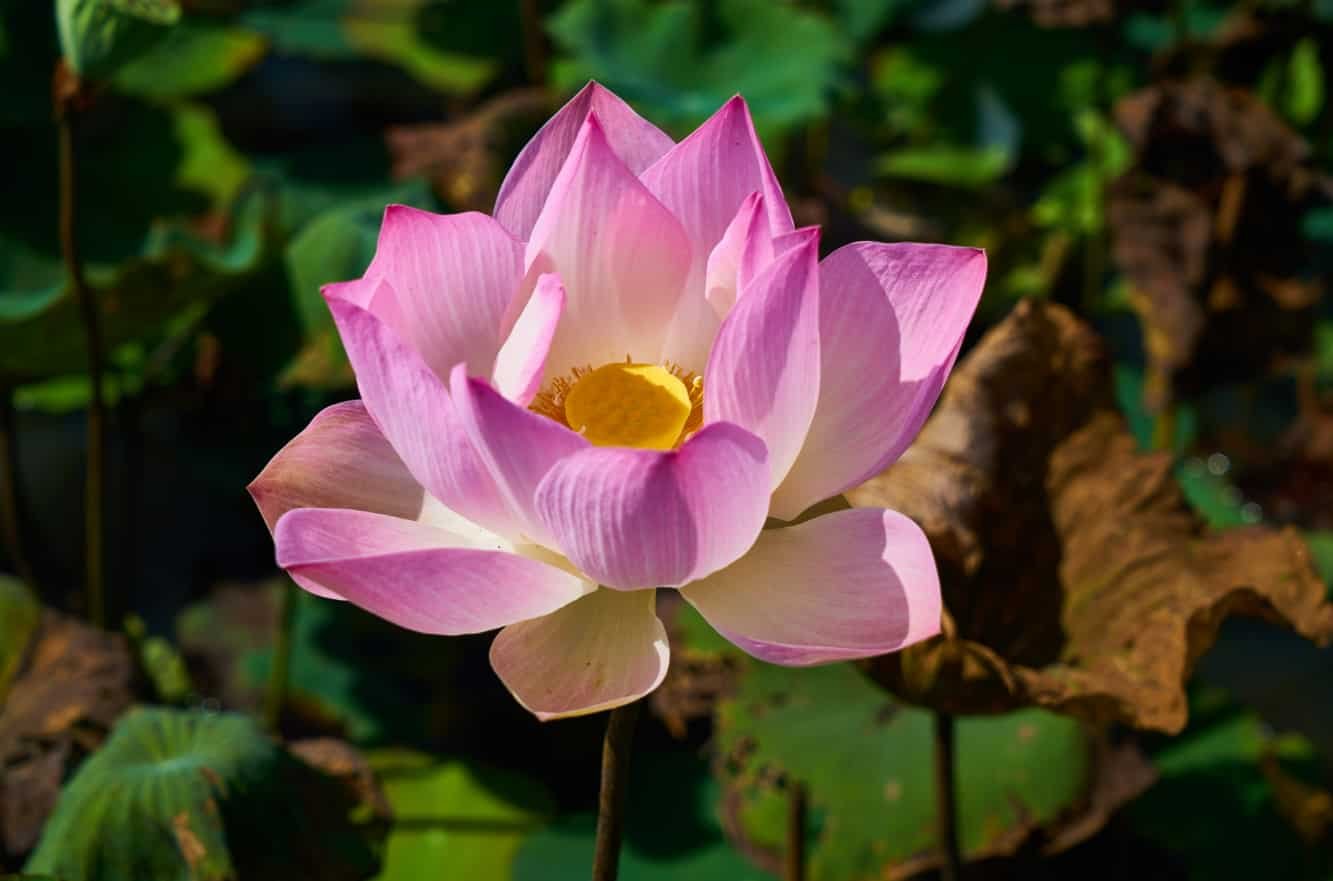
The lotus flower stands as one of the most enduring spiritual symbols in human history. Ancient civilizations, spiritual traditions, and modern seekers continue to draw meaning from its presence. More than a visual symbol, the lotus reflects the inner journey of growth, awareness, and transformation.
The lotus grows in dark and muddy water, yet it rises toward the surface to bloom clean and untouched. This natural process mirrors the human spiritual path. People often experience pain, confusion, and emotional struggle. Still, growth remains possible within these conditions. The lotus reminds us that hardship does not prevent awakening. It often creates the foundation for it.
The spiritual meanings of the lotus flower center on symbolism, enlightenment, and inner growth. Across cultures, the lotus represents purity that emerges through experience rather than isolation. It teaches that clarity develops through challenge and that wisdom forms through perseverance. Spiritual progress does not require a perfect environment. It requires inner strength and awareness.
This article explores the deeper spiritual meanings of the lotus flower and explains why this symbol continues to resonate in modern spiritual life. Through its symbolism, the lotus offers guidance for those seeking healing, self understanding, and higher consciousness.
What Does the Lotus Flower Symbolize Spiritually?
The lotus flower symbolizes spiritual purity, awakening, and the ability to rise above life’s difficulties. Unlike many plants, the lotus does not grow in clean or ideal conditions. It emerges from muddy water and opens its petals untouched by the darkness below. This contrast forms the core of its spiritual meaning.
Spiritually, the lotus represents the separation between inner truth and external chaos. While the world often feels heavy with stress, desire, and distraction, the lotus shows that the soul can remain clear and centered. It teaches that spiritual growth does not depend on avoiding hardship. Growth begins when awareness rises above it.
The lotus also symbolizes spiritual awakening. As the flower slowly moves from darkness toward light, it reflects the human journey from ignorance to understanding. Many spiritual traditions associate this movement with higher consciousness and inner clarity. The opening petals suggest the expansion of awareness and the readiness to receive wisdom.
Another key spiritual meaning of the lotus flower involves detachment. The lotus touches water but does not absorb it. In the same way, spiritual balance allows a person to engage with life without becoming overwhelmed by emotions or material concerns. This symbolism encourages presence without attachment.
Through these meanings, the lotus flower serves as a powerful reminder. Inner peace does not come from perfect circumstances. It comes from the ability to remain grounded, aware, and open while moving through life’s challenges.
The Lotus Flower as a Symbol of Enlightenment
The lotus flower has long symbolized enlightenment and higher awareness. Its growth pattern reflects the inner process of awakening that many spiritual paths describe. The journey begins in darkness, moves through struggle, and ends in clarity. This progression mirrors how consciousness evolves through experience.
Enlightenment does not occur instantly. The lotus grows slowly as it rises through layers of water toward the light. In the same way, spiritual awareness develops through patience, reflection, and self observation. Each stage of growth builds understanding. Each challenge strengthens perception.
The fully opened lotus represents awakened consciousness. At this stage, the mind no longer reacts blindly to fear or desire. Instead, it responds with clarity and insight. The flower does not reject its roots in the mud. It transcends them. This symbolism teaches that enlightenment does not erase past suffering. It transforms it into wisdom.
The lotus also reflects balance between the inner and outer worlds. Enlightenment does not mean withdrawal from life. It means engaging with life from a place of awareness. Just as the lotus stands above water while remaining connected to its source, awakened consciousness stays grounded while reaching higher understanding.
Through this symbolism, the lotus flower presents enlightenment as a lived experience. It invites individuals to rise steadily, remain present, and allow awareness to unfold naturally over time.
Inner Growth and Transformation Rising From Darkness
The lotus flower offers a clear metaphor for inner growth and personal transformation. It begins its life hidden beneath the surface, surrounded by darkness and uncertainty. Yet it continues to grow upward. This process reflects how inner strength often develops during difficult periods rather than comfortable ones.
Many people associate growth with positive experiences alone. The lotus challenges this belief. Its roots remain firmly planted in mud, which represents pain, fear, trauma, and emotional struggle. These experiences do not stop growth. They create the conditions that shape resilience and self awareness. The lotus shows that transformation does not require a perfect beginning.
Inner growth occurs when individuals face hardship with honesty and courage. As the lotus rises, it does not rush its journey. Each stage prepares the next. In the same way, healing and self development take time. Progress often feels slow, yet steady movement leads to meaningful change.
When the lotus finally blooms, it reveals strength shaped by adversity. The flower does not deny where it came from. It rises because of it. This symbolism reassures those who feel defined by their past. Struggle does not diminish worth. It refines character and deepens understanding.
Through this message, the lotus flower encourages trust in the process of growth. Darkness does not signal failure. It marks the beginning of transformation and the emergence of inner clarity.
Spiritual Meanings of the Lotus Flower by Color
The color of a lotus flower adds another layer of spiritual meaning. Each color represents a different state of awareness, intention, and inner development. Together, these variations expand the symbolic depth of the lotus and help explain why it appears so often in spiritual teachings.
The white lotus symbolizes purity and spiritual perfection. It reflects a mind that seeks truth and clarity beyond material influence. This color often represents inner peace, sincerity, and a deep commitment to spiritual growth. The white lotus reminds seekers to align their thoughts and actions with higher values.
The pink lotus carries the strongest connection to enlightenment. Many traditions view it as a symbol of divine awareness and the highest level of spiritual realization. It represents a heart that has awakened to compassion and wisdom. The pink lotus often appears as a reminder of spiritual purpose and devotion.
The blue lotus symbolizes wisdom and knowledge. Unlike other lotus flowers, it often appears partially closed, which suggests continuous learning rather than completion. This color reflects discipline, intelligence, and control over the senses. The blue lotus encourages the pursuit of truth through insight and understanding.
The purple lotus represents mysticism and higher consciousness. It connects to spiritual mystery, intuition, and unseen realms of awareness. This color often appears in symbolic practices related to meditation and inner vision. It invites deeper exploration of consciousness beyond the physical world.
The red lotus symbolizes love, compassion, and emotional depth. It reflects the heart and its ability to connect, heal, and express empathy. This color reminds individuals that spiritual growth also involves emotional openness and human connection.
Together, these colors show that the spiritual meanings of the lotus flower evolve with intention and awareness. Each shade reflects a different stage of the inner journey.
The Lotus Flower in Meditation and Spiritual Practices
The lotus flower holds a central place in meditation and spiritual practice. Many traditions use its symbolism to guide focus, awareness, and inner balance. The image of the lotus helps practitioners remain calm while developing clarity and discipline.
During meditation, people often visualize a lotus opening at the center of the mind or heart. This practice encourages stillness and gradual awareness. Each opening petal represents expanded understanding and deeper presence. The process feels natural and unforced, which aligns with the lotus’s steady growth.
The lotus posture also carries spiritual meaning. Sitting with a stable and upright body supports both physical balance and mental clarity. This posture reflects the lotus itself, grounded at the base while open at the top. It reminds practitioners to stay rooted while remaining receptive to insight.
The lotus also appears in energy based spiritual practices. Many associate it with harmony and alignment within the body. Visualization of the lotus supports inner calm, emotional regulation, and focused intention. These practices help reduce mental noise and strengthen awareness.
Through meditation, the lotus becomes more than a symbol. It becomes a tool for self observation and inner refinement. The flower encourages patience, balance, and trust in the unfolding of awareness. By returning to this image, practitioners reconnect with simplicity and inner stability during their spiritual journey.
Spiritual Meanings of the Lotus Flower Across Cultures
The lotus flower appears in many cultures across history, often carrying similar spiritual meanings despite vast differences in belief systems. This shared symbolism reveals how deeply the lotus connects to universal human experiences of growth, suffering, and awakening.
In Eastern spiritual traditions, the lotus represents purity of mind and spiritual elevation. Teachings often describe enlightened beings as rising above illusion and attachment, much like the lotus rises above muddy water. The flower symbolizes the union of wisdom and compassion, which many traditions consider essential for spiritual maturity.
Ancient civilizations also valued the lotus for its spiritual message. In early symbolic systems, the opening and closing of the lotus reflected cycles of life, renewal, and consciousness. The flower became a sign of rebirth and continuity, linking spiritual awareness with the rhythms of nature.
Across cultures, the lotus consistently symbolizes transformation rather than escape. It does not reject the world or deny hardship. Instead, it reflects the ability to remain spiritually clear while existing within imperfect conditions. This meaning resonates across time because it addresses a shared human struggle.
The recurring presence of the lotus across civilizations suggests a collective understanding. Human beings, regardless of culture, seek meaning beyond suffering. The lotus offers a visual language for that search. It expresses hope, resilience, and the possibility of awakening through experience rather than avoidance.
Why the Lotus Flower Still Matters in Modern Spiritual Life
The lotus flower continues to hold meaning in modern spiritual life because its message remains relevant. Today, many people face constant pressure, emotional overload, and a sense of disconnection. The lotus speaks directly to these challenges through its timeless symbolism.
Modern spiritual seekers often look for balance rather than escape. The lotus reflects this need. It does not represent withdrawal from the world. It represents the ability to live fully while maintaining inner clarity. This message resonates in a fast paced environment where distraction often replaces awareness.
The lotus also appears frequently in modern spiritual expression. People choose it in tattoos, art, and personal symbols to represent healing, growth, and resilience. These choices reflect a desire to honor personal transformation and inner strength rather than external success alone.
In mindfulness practices, the lotus encourages patience and self acceptance. It reminds individuals that growth unfolds at its own pace. Progress does not require perfection. It requires presence and commitment. This perspective helps reduce self judgment and emotional resistance.
The continued relevance of the lotus shows that spiritual wisdom does not expire. While societies change, the inner struggles of fear, doubt, and searching remain. The lotus offers guidance through these experiences. It reassures individuals that clarity and peace can emerge even in complex and imperfect conditions.
Conclusion
The spiritual meanings of the lotus flower offer a timeless message about symbolism, enlightenment, and inner growth. Through its natural journey from dark water to open bloom, the lotus reflects the human path toward awareness and transformation. It shows that clarity does not arise from avoiding difficulty, but from moving through it with intention and understanding.
Across cultures and spiritual traditions, the lotus represents purity shaped by experience rather than isolation. It symbolizes awakening that unfolds gradually and growth that develops through patience. Each stage of the lotus mirrors a stage of inner development, from confusion to insight, from struggle to balance.
In modern spiritual life, the lotus continues to resonate because it addresses real human challenges. It reminds individuals that they do not need perfect conditions to grow. Emotional pain, uncertainty, and past hardship do not block spiritual progress. They often create the foundation for it.
The lotus flower encourages reflection rather than judgment. It invites people to trust their process and honor their journey. Inner growth happens when awareness rises above fear and resistance. Enlightenment begins when individuals remain present and open, even in difficult moments.
As a spiritual symbol, the lotus stands as a quiet reminder. No matter how deep the mud, the possibility of growth always exists. What matters is the willingness to rise, unfold, and move toward clarity from within.