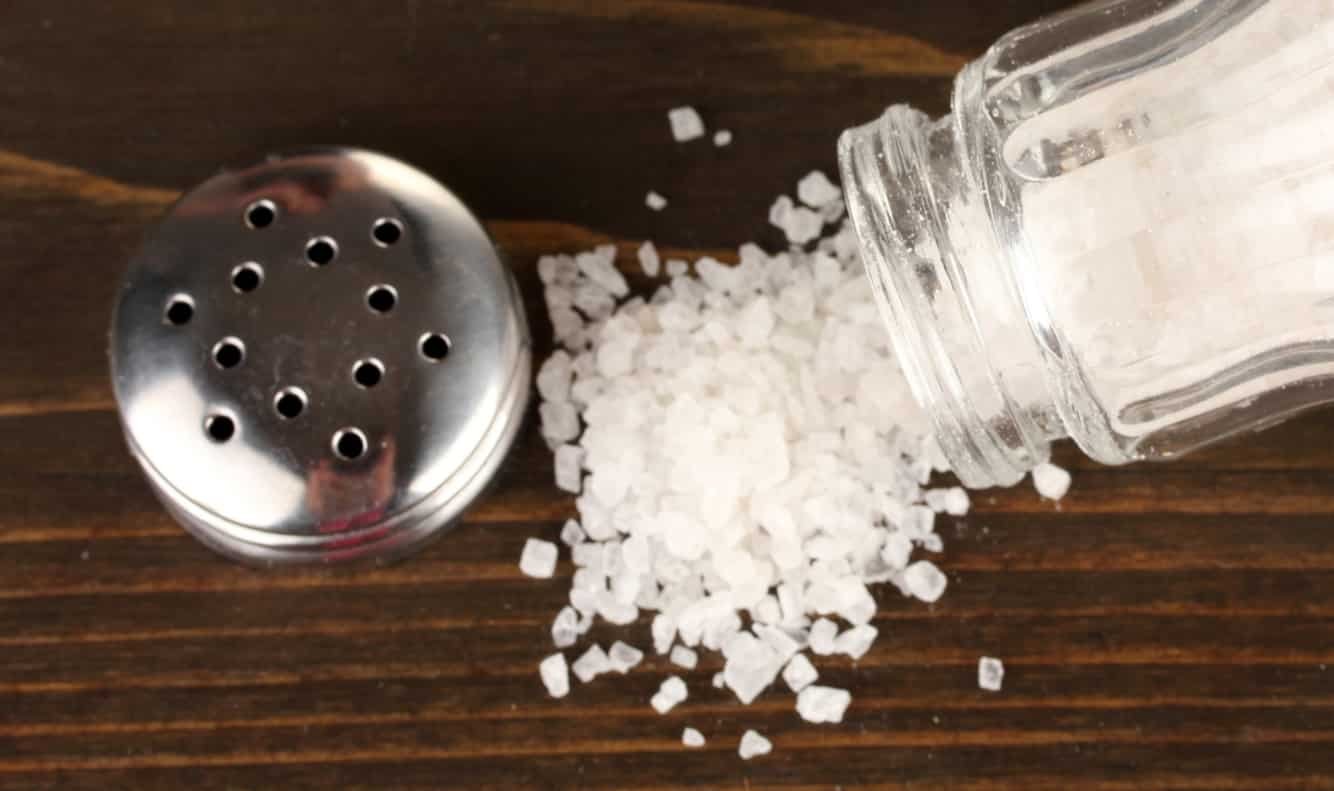
Spilling salt has long been surrounded by mystery, superstition, and spiritual curiosity. Across cultures and generations, this simple accident has been interpreted as more than a careless moment at the table. Many people instinctively pause when salt spills, wondering whether it signals bad luck, a spiritual warning, or a hidden message from the universe. This reaction alone reveals how deeply salt is embedded in human belief systems.
Salt is not just a seasoning. Spiritually, it has symbolized purity, protection, preservation, and sacred boundaries for thousands of years. Because of this symbolism, spilling salt often carries meaning beyond the physical act itself. In spiritual traditions, even small and unintentional events are believed to reflect shifts in energy, awareness, or intention. This is why the spiritual meanings of spilling salt continue to attract attention in modern spiritual practices as much as in ancient belief systems.
However, not every spilled grain of salt should be viewed through fear or superstition. Understanding the spiritual meanings of spilling salt requires context, awareness, and emotional clarity. Sometimes it represents release, cleansing, or transformation. Other times, it serves as a reminder to slow down and become more present. In this article, we will explore the origins of the superstition, the deeper symbolism of salt, and the spiritual messages that spilling salt may carry in everyday life. The goal is not to create fear, but to replace confusion with understanding and insight.
The Origins of the Spilling Salt Superstition
The belief that spilling salt brings bad luck did not appear by chance. Its roots are deeply connected to history, economics, religion, and early human survival. In ancient times, salt was one of the most valuable substances in daily life. It was essential for preserving food, maintaining health, and even used as a form of currency. Because salt was rare and difficult to obtain, wasting it carried serious consequences. Over time, this practical concern gradually evolved into a symbolic and spiritual belief.
In many ancient societies, salt represented stability and protection. It was believed to ward off negative forces and preserve both physical and spiritual purity. When salt was spilled, it symbolized a loss of protection or balance. This idea reinforced the fear that something unseen had been disrupted. As spiritual thinking developed, people began to associate spilled salt with vulnerability to misfortune or unwanted energy.
Religious imagery also played a role in strengthening this superstition. One of the most commonly referenced associations comes from artistic depictions of betrayal, where salt appears spilled at moments of moral or spiritual failure. These visual stories influenced collective belief, linking spilled salt to bad outcomes and broken trust. Over generations, the meaning shifted from practical loss to spiritual warning.
The tradition of throwing salt over the left shoulder emerged as a response to this fear. Spiritually, the left side was often associated with negative influence or distraction. Tossing salt behind oneself became a symbolic act of protection, meant to restore balance and ward off harmful energy. While modern life no longer depends on salt for survival in the same way, the superstition remains embedded in collective consciousness. Understanding these origins helps explain why spilling salt still feels significant, even in a world driven by logic and reason.
Spiritual Symbolism of Salt in Ancient and Modern Beliefs
To understand the spiritual meanings of spilling salt, it is essential to first understand what salt itself represents on a spiritual level. Across ancient civilizations and modern spiritual practices, salt has consistently symbolized purity, protection, and preservation. Its ability to cleanse, heal, and maintain balance made it a sacred substance long before it became an everyday household item.
In ancient spiritual traditions, salt was commonly used in purification rituals. It was believed to absorb negative energy and create spiritual boundaries. Homes, sacred spaces, and even individuals were protected through the use of salt, either by placing it around entrances or incorporating it into ceremonial practices. Because of this protective symbolism, salt came to represent spiritual stability and energetic clarity.
Salt also symbolized preservation and continuity. Just as it preserves food from decay, spiritually it was seen as a force that preserves truth, integrity, and wisdom. This belief appears in many spiritual teachings where salt represents something lasting and uncorrupted. When salt was present, it signified balance and order. When it was lost or spilled, that sense of stability was believed to be temporarily disrupted.
In modern spirituality, salt continues to hold symbolic power, though its interpretation has evolved. Today, it is often associated with grounding energy and emotional cleansing. Spilling salt is no longer viewed only as a negative event, but as a moment that draws attention to energetic shifts. Some interpret it as a sign of release, where stagnant or unwanted energy is being cleared away. Others see it as a reminder to reconnect with intention and awareness in the present moment.
This blend of ancient symbolism and modern spiritual understanding allows spilling salt to be interpreted in multiple ways. Rather than a fixed omen, it becomes a meaningful moment that reflects personal awareness, emotional state, and spiritual sensitivity.
Positive Spiritual Meanings of Spilling Salt
While spilling salt is often associated with bad luck, many spiritual interpretations view it as a positive and meaningful sign. From a spiritual perspective, not all disruptions are negative. In fact, moments of interruption often signal release, renewal, or transformation. When salt is spilled, it can symbolize the clearing away of stagnant or heavy energy that no longer serves a purpose.
One positive spiritual meaning of spilling salt is energetic cleansing. Because salt has long been associated with purification, its accidental release may represent the removal of negative emotional or spiritual buildup. This interpretation suggests that something unseen is being cleared, allowing space for balance and clarity to return. Rather than fearing the moment, it can be viewed as a quiet reset of personal energy.
Spilling salt can also symbolize the end of a cycle. Spiritually, cycles of thought, behavior, or emotional patterns sometimes need disruption in order to change. The unexpected nature of spilling salt reflects this interruption. It draws attention to habits that may have become automatic or unconscious. In this way, the moment serves as an invitation to pause, reflect, and become more present.
Another positive interpretation connects spilling salt with spiritual awareness. Many people experience these moments during times of personal growth or inner change. The act itself becomes less important than the awareness it creates. It reminds the individual to stay grounded, mindful, and attentive to subtle shifts in energy and intention.
Viewed through this lens, spilling salt is not a warning but a message of transition. It suggests movement rather than loss, cleansing rather than harm. By releasing fear and focusing on awareness, the experience transforms from superstition into insight.
Negative or Warning Meanings of Spilling Salt Spiritually
Although spilling salt can carry positive interpretations, spiritual traditions also recognize it as a potential warning rather than a source of fear. In this context, the meaning is not about punishment or inevitable bad luck, but about awareness and imbalance. Spiritually, warnings are often gentle signals meant to redirect attention rather than predict harm.
One common interpretation views spilling salt as a sign of energetic distraction. When attention is scattered or emotions are unsettled, small physical disruptions tend to occur more frequently. Spiritually, this moment may reflect inner imbalance or a lack of grounding. It serves as a reminder to slow down, reconnect with the present moment, and regain emotional clarity.
Another warning meaning relates to the loss of spiritual protection. Since salt has long symbolized boundaries and safeguarding, spilling it can suggest that personal or emotional boundaries are being weakened. This does not imply danger, but rather vulnerability. It may indicate that external influences, stress, or negative thought patterns are affecting inner stability.
Spilling salt may also highlight unresolved emotional tension. Spiritually sensitive moments often surface during periods of internal conflict or decision making. The spill becomes a subtle reflection of inner uncertainty. Instead of reacting with fear, this interpretation encourages self observation and honest reflection.
Seen in this way, the negative meanings of spilling salt are not predictions of misfortune. They are invitations to pause, reassess, and restore balance. By recognizing the moment as a signal rather than an omen, individuals can respond with awareness instead of anxiety.
Is Spilling Salt a Sign From the Universe?
Many people who follow spiritual practices often ask whether everyday accidents carry messages from the universe. When it comes to spilling salt, the answer depends largely on context, awareness, and repetition. Not every spilled object is a sign, but meaningful patterns and emotional responses can transform ordinary moments into symbolic experiences.
From a spiritual perspective, signs from the universe are rarely dramatic. They are subtle interruptions that redirect attention. Spilling salt can function in this way by pulling awareness into the present moment. The sudden break in routine invites reflection, especially when it occurs during emotionally charged situations or moments of decision. In such cases, the meaning lies not in the salt itself, but in what the individual was thinking or feeling at that moment.
Repetition also plays an important role in spiritual interpretation. If spilling salt happens repeatedly within a short period of time, some interpret this as a sign to pause and reassess personal direction or emotional state. Spiritually, repetition is often viewed as emphasis rather than coincidence. However, this interpretation should always be balanced with logic and self honesty.
Intuition is another key factor. A sign from the universe is often recognized by how it feels rather than how it looks. If spilling salt creates a strong inner response or sense of awareness, it may hold personal meaning. If it passes unnoticed, it is likely just an accident. Spiritual understanding does not require fear or over analysis, but attentiveness and clarity.
Ultimately, spilling salt becomes a sign only when it encourages awareness, reflection, or positive change. Without those elements, it remains a neutral event. This balanced approach helps distinguish spiritual insight from superstition.
What to Do Spiritually After You Spill Salt
When salt is spilled, the most important response is not fear, but awareness. Spiritually, how you react matters more than the event itself. The moment offers an opportunity to pause, reset, and reconnect with intention. Simple and grounded actions are often more meaningful than elaborate rituals.
The first step is to slow down. Take a brief moment to breathe and become present. Spilling salt often happens when the mind is distracted or rushed. By grounding yourself, you restore balance and clarity. This small pause helps shift the experience from reaction to reflection.
Next, consider your emotional state. Ask yourself what you were thinking or feeling just before the salt spilled. Spiritually, this moment of self observation can reveal underlying stress, impatience, or emotional tension. Acknowledging it without judgment allows awareness to replace anxiety.
Some spiritual traditions encourage intentional cleansing after spilling salt. This does not need to be ritualistic. Simply cleaning the salt mindfully while holding a calm and positive intention is enough. The act of cleaning becomes symbolic, representing the clearing of mental or emotional clutter rather than the removal of bad luck.
Finally, reframe the experience positively. Instead of viewing the spill as a warning or mistake, see it as a reminder to be present and grounded. Gratitude and calm awareness neutralize fear based interpretations. Spiritually, intention shapes meaning. By responding with clarity and balance, the moment becomes one of alignment rather than concern.
Spilling Salt in Daily Life vs Spiritual Practice
It is important to distinguish between spiritual awareness and fear based superstition when interpreting everyday events. Spilling salt exists at the intersection of these two perspectives. In daily life, it is often nothing more than a simple accident caused by distraction, haste, or habit. Not every physical event carries spiritual weight, and assigning meaning to every small mistake can create unnecessary anxiety.
Spiritual practice, however, does not reject ordinary life. Instead, it encourages mindful engagement with it. The difference lies in intention and awareness. In a spiritual context, spilling salt becomes meaningful only when it prompts reflection, presence, or emotional insight. Without these elements, the event remains neutral.
Superstition tends to operate through fear and prediction. It suggests that an action automatically leads to a negative outcome. Spiritual awareness works differently. It focuses on inner response rather than external consequence. When salt is spilled, a superstitious response looks for bad luck. A spiritual response looks inward and asks what the moment reveals about attention, emotion, or energy.
Understanding this distinction prevents over interpretation. Spiritual growth is not about searching for signs everywhere, but about recognizing meaning when it naturally arises. Spilling salt does not demand interpretation. It offers an invitation. Whether that invitation is accepted depends entirely on awareness, not belief.
Conclusion: Understanding the Spiritual Messages Behind Spilling Salt
The spiritual meanings of spilling salt are rooted in centuries of belief, symbolism, and human experience. What began as a practical concern evolved into superstition, and later into a broader spiritual reflection. Today, spilling salt sits between history and personal awareness, carrying meaning only when interpreted with clarity rather than fear.
Salt has long symbolized purity, protection, and balance. Because of this, its accidental spilling naturally draws attention. Spiritually, the meaning is never fixed. It can represent cleansing, transition, distraction, or a gentle reminder to slow down. The message depends on context, emotional state, and personal awareness at the moment it occurs.
Rather than viewing spilling salt as a bad omen, it is more helpful to see it as a pause in routine. It breaks automatic behavior and invites presence. In this sense, the spiritual meanings of spilling salt are less about prediction and more about reflection. They encourage mindfulness instead of superstition, and understanding instead of fear.
By approaching these moments with calm awareness, individuals can transform ordinary accidents into opportunities for insight. Whether the salt carries a message or not, the true value lies in how one responds. Spiritual meaning begins not in the spill itself, but in the awareness that follows.