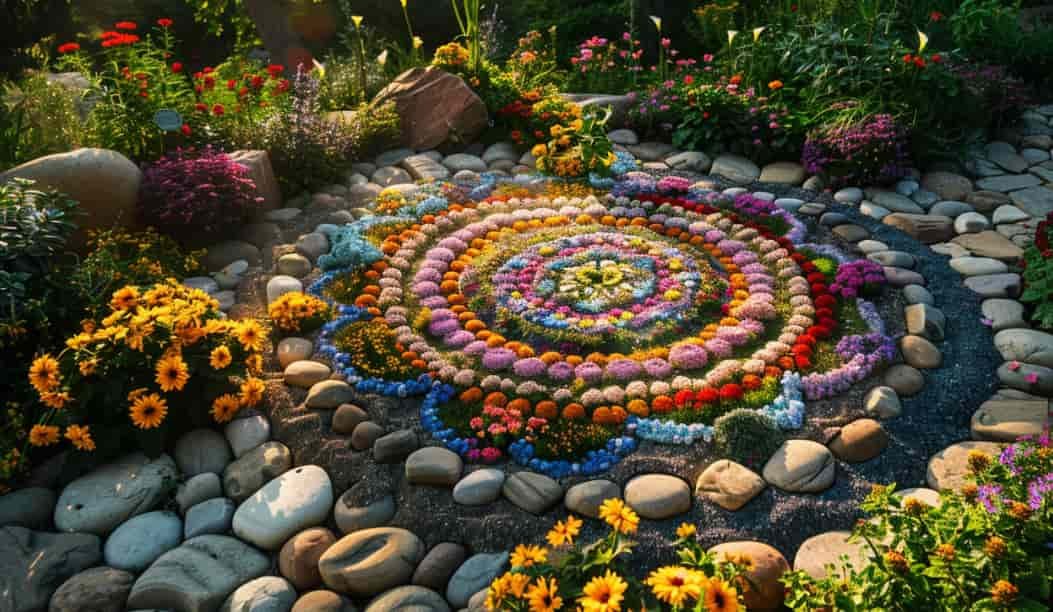
Gardens have always held a quiet power over the human spirit. Across cultures and centuries, they appear not only as places of beauty, but as living symbols of inner life, transformation, and divine connection. When we step into a garden, we are not merely entering a physical space. We are stepping into a reflection of growth, patience, balance, and the soul’s natural rhythm.
The spiritual meanings of gardens go far beyond flowers and soil. A garden represents what happens when intention meets time. Seeds are planted with faith, nurtured with care, and allowed to grow without force. In this way, gardens mirror our emotional and spiritual journeys. They reveal how healing unfolds slowly, how abundance emerges through alignment, and how neglect or attention shapes what flourishes within us.
In a world driven by speed and constant noise, gardens remind us of stillness, cycles, and trust in unseen processes. They teach that growth cannot be rushed and that true abundance begins from within. Whether thriving or overgrown, wild or carefully tended, every garden carries a message about the state of the soul.
In this article, we explore fifteen deep spiritual meanings of gardens, uncovering the symbolic lessons they offer about growth, healing, abundance, and our connection to life itself.
The Garden as a Symbol of Inner Growth and Personal Evolution
Spiritually, a garden represents the process of inner growth and personal evolution that unfolds over time. Just as a seed begins its life hidden beneath the soil, human transformation often starts internally before any visible change appears. Thoughts, beliefs, and intentions take root quietly, shaping who we become long before results can be seen by others. A garden reminds us that growth is gradual and deeply personal.
Every stage of a garden mirrors a stage of self development. The act of planting symbolizes intention and choice. The early sprout reflects awakening and awareness. Mature plants represent integration and self realization. Spiritually, this teaches that personal growth is not about rushing toward an outcome but about honoring each phase of the journey. Periods of stillness, struggle, and expansion all serve a purpose.
A garden also reflects responsibility for one’s inner world. What is planted will eventually grow. Positive thoughts, emotional awareness, and conscious habits nourish healthy inner landscapes. Neglect or harmful patterns, however, can stunt growth or create imbalance. Spiritually, the garden asks us to observe our inner environment with honesty and compassion.
Through this symbolism, gardens teach that transformation is both intentional and organic. You must tend to your inner soil, yet trust life to do the rest. True evolution happens when effort and patience work together in harmony.
Gardens Represent the Soul’s Natural State of Balance
A garden thrives only when balance exists between its elements. Sunlight, water, soil, and air must support one another. Spiritually, this balance reflects the soul’s natural state when mind, body, and spirit are aligned. When one element dominates or is neglected, the entire system is affected. The same is true within the human experience.
Gardens remind us that balance does not mean everything grows equally at all times. Some plants bloom while others rest beneath the surface. Spiritually, this teaches acceptance of cycles within the self. There are seasons for action, healing, reflection, and rest. Balance emerges when these phases are honored rather than resisted.
When life feels overwhelming, the image of a garden offers reassurance. It suggests that harmony is restored through awareness and gentle adjustment, not force. Just as a gardener observes signs of imbalance and responds with care, spiritual balance arises when we listen to our inner signals and respond compassionately.
A balanced garden symbolizes a grounded soul. It reflects emotional stability, mental clarity, and spiritual alignment. Rather than striving for control, the garden teaches cooperation with natural rhythms. In doing so, it reveals that true balance is not rigid but fluid, responsive, and deeply nurturing.
The Spiritual Meaning of a Flourishing Garden
A flourishing garden is a powerful spiritual symbol of vitality, alignment, and abundance. When plants grow strong and healthy, it reflects a state in which energy flows freely and life is supported on multiple levels. Spiritually, this represents emotional nourishment, clarity of purpose, and a deep connection to one’s inner truth.
A thriving garden suggests that intentions have been nurtured with consistency and care. It symbolizes a life where effort and awareness are aligned. This abundance is not limited to material success. Spiritually, it includes inner peace, creative expression, fulfilling relationships, and a sense of meaning. A flourishing garden reflects wholeness rather than excess.
There is also a lesson of trust within this symbolism. No matter how attentive the gardener is, growth cannot be forced. Life unfolds according to its own wisdom. A flourishing garden shows what happens when action is balanced with surrender. You prepare the soil and provide nourishment, yet you allow nature to decide the pace.
Spiritually, this teaches faith in unseen processes. It reassures that when inner alignment is present, growth happens naturally. A flourishing garden becomes evidence that patience, intention, and trust create sustainable abundance both within and beyond the self.
An Overgrown Garden as a Sign of Emotional Overwhelm
An overgrown garden carries deep spiritual symbolism related to emotional overwhelm and mental overload. When plants spread without guidance and space becomes crowded, it reflects an inner state where thoughts, emotions, and responsibilities have accumulated without proper attention. Spiritually, this image suggests that the mind and heart are carrying more than they can comfortably process.
Overgrowth often develops slowly. It does not happen in a single moment but builds over time through neglect, avoidance, or constant external pressure. In spiritual terms, an overgrown garden represents unresolved emotions, suppressed feelings, and the absence of emotional boundaries. Even positive traits such as ambition or empathy can become exhausting when they grow without balance.
This symbolism also highlights the spiritual importance of clearing and pruning. Removing excess growth represents letting go of emotional baggage, limiting beliefs, and patterns that drain energy. Spiritually, pruning is an act of self respect rather than loss. It creates space for clarity, calm, and intentional growth.
An overgrown garden is not a sign of failure but a call for awareness. It invites reflection on where attention has been diverted and what the soul is asking to be simplified. Through this meaning, the garden teaches that emotional well being is restored through conscious care and gentle organization of the inner world.
The Garden as a Sacred Space for Healing
Spiritually, a garden is widely regarded as a sacred space where healing occurs naturally and without pressure. Surrounded by living elements, the body and mind begin to soften, allowing emotional and spiritual wounds to surface and release. The garden creates a sense of safety that encourages restoration rather than resistance.
Healing within a garden does not demand effort or control. Plants grow and recover according to natural laws, and this mirrors the human healing process. Spiritually, the garden teaches that healing is a state of allowance. When supportive conditions are present, balance gradually returns on its own.
A garden as a sacred space also represents self permission to slow down. Entering a garden symbolizes choosing presence over distraction and compassion over judgment. It becomes a place where reflection is welcomed and inner pain can be acknowledged without urgency to resolve it immediately.
Through this symbolism, gardens remind us that healing unfolds gently and in stages. Just as plants recover after storms, the human spirit regains strength through patience, rest, and care. The garden stands as a spiritual reminder that wholeness is always accessible when space is created for it.
Spiritual Lessons of Patience and Divine Timing in Gardens
Gardens offer some of the clearest spiritual lessons about patience and divine timing. No matter how much attention is given, growth follows its own schedule. Seeds germinate only when conditions are right. Spiritually, this reflects the truth that personal growth and healing cannot be rushed.
This lesson challenges the desire for immediate results. A garden teaches that patience is an active practice rooted in trust. It involves showing up consistently while releasing attachment to outcomes. Spiritually, this balance between effort and surrender strengthens faith in life’s intelligence.
Divine timing is revealed through the natural cycles of a garden. There are seasons for planting, nurturing, resting, and harvesting. Each phase serves a purpose and cannot be skipped. Spiritually, these cycles mirror human experiences such as beginnings, challenges, integration, and renewal.
Through this symbolism, gardens encourage acceptance of life’s rhythm. They remind us that delays are not denials and that growth continues even when progress is invisible. Trusting divine timing allows alignment to unfold naturally and sustainably.
Gardens as Symbols of Abundance and Prosperity
Gardens have long been viewed as spiritual symbols of abundance and prosperity because they reveal how fullness emerges naturally from alignment and care. When a garden yields fruit, flowers, and nourishment, it reflects a state in which energy flows freely and life is supported on multiple levels. Spiritually, abundance is not something taken or forced but something that grows when conditions are right.
A garden teaches that prosperity begins with intention. Seeds are planted with purpose, nurtured with consistency, and trusted to grow over time. This mirrors the spiritual truth that abundance unfolds gradually. It is built through patience, belief, and emotional readiness rather than urgency or control. True abundance extends beyond material wealth to include emotional fulfillment, creativity, connection, and inner peace.
Gardens also reflect the principle of sufficiency. They provide what is needed in balance with nature’s rhythm. Spiritually, this encourages gratitude and awareness of existing blessings. When abundance is recognized rather than feared or hoarded, it continues to expand organically.
Through this symbolism, gardens remind us that prosperity flows from harmony with life itself. When intentions are aligned with purpose and care is applied with trust, abundance becomes a natural expression of spiritual balance rather than a distant goal.
The Garden as a Reflection of Conscious Creation
A garden serves as a clear spiritual reflection of conscious creation. Every element within it exists because of deliberate choice. What is planted determines what grows. Spiritually, this mirrors how thoughts, beliefs, and emotional patterns shape lived experience over time.
Conscious creation requires awareness and responsibility. A gardener observes the environment, adjusts care, and responds to what appears rather than blaming external forces. Spiritually, this teaches accountability for the inner landscape. Repeating challenges often point to unconscious patterns that have been continually nurtured.
The garden also illustrates that creation is a partnership. Human intention prepares the soil, but growth itself is guided by life’s intelligence. Spiritually, this represents co creation with universal energy, where effort and surrender work together rather than in opposition.
Through this meaning, gardens encourage mindfulness in daily life. They remind us that attention is creative power. What is consistently focused on internally will eventually take form externally. Conscious creation is not about control but about clarity, alignment, and trust in the process of growth.
The Spiritual Meaning of Tending and Caring for a Garden
Tending and caring for a garden holds deep spiritual meaning related to self care, devotion, and responsibility. The regular acts of watering, pruning, and protecting plants symbolize the attention required to sustain emotional and spiritual well being. Growth is supported not by occasional effort but by consistent presence.
Spiritually, tending a garden teaches that small actions matter. Gentle, repeated care creates lasting transformation. This reflects the importance of daily habits, self awareness, and emotional maintenance. Neglect does not always cause immediate harm, but over time it leads to imbalance and depletion.
Caring for a garden also represents commitment to life itself. It shows respect for growth and acceptance of responsibility for what has been planted. Spiritually, this devotion strengthens connection to the self and deepens trust in natural processes.
Through this symbolism, gardens teach that nurturing is an ongoing relationship rather than a single task. Growth responds to attention, patience, and care. When tending becomes mindful, the act itself transforms into a spiritual practice rooted in presence and intention.
Gardens as a Gateway to Inner Peace and Stillness
Gardens are often experienced as gateways to inner peace and stillness because they gently draw awareness away from constant mental noise. Surrounded by living elements, the nervous system begins to relax, allowing thoughts to slow and emotional tension to soften. Spiritually, this shift creates space for clarity and presence to emerge naturally.
A garden does not ask for achievement or productivity. It exists in a state of being rather than doing. Spiritually, this teaches the importance of allowing moments of rest and observation. When attention settles into the present moment, inner peace becomes accessible without effort. The quiet rhythm of growth mirrors the calm that already exists within the soul.
Stillness within a garden is not emptiness but awareness without distraction. Spiritually, this state allows intuition and inner wisdom to surface. The absence of urgency creates a deeper connection to the self, fostering emotional balance and spiritual insight.
Through this symbolism, gardens remind us that peace is not something to be created but something to be remembered. When external stimulation fades, the inner landscape becomes clearer. The garden serves as a gentle invitation to return to stillness, where clarity, acceptance, and inner harmony naturally reside.
The Garden as a Symbol of Renewal and Rebirth
Gardens symbolize renewal and rebirth through their ongoing cycles of change and regeneration. Seasons move from growth to rest and back again, reflecting the natural rhythm of life. Spiritually, this cyclical pattern mirrors personal transformation and emotional healing over time.
In a garden, what appears to fade or die becomes nourishment for future growth. Spiritually, this represents the release of outdated beliefs, emotional wounds, and past identities. Letting go creates space for renewal. Rebirth is not about erasing the past but about transforming experience into wisdom.
Gardens also symbolize resilience. After harsh conditions, new life returns. Spiritually, this offers reassurance that healing is always possible. Even periods of emptiness or stagnation serve a purpose by preparing the ground for future growth.
Through this meaning, gardens teach acceptance of change. Renewal is not something to resist but a natural process that supports spiritual evolution. Each cycle carries lessons that deepen awareness and strengthen inner stability. The garden becomes a living reminder that growth continues even after periods of loss or stillness.
Wild Gardens and the Spiritual Meaning of Freedom
Wild gardens represent spiritual freedom through their untamed and organic nature. Unlike structured landscapes, wild gardens grow without rigid control or predetermined design. Spiritually, this reflects the soul’s desire for authenticity and self expression beyond limitation.
In a wild garden, diversity exists without conflict. Plants grow where they are naturally drawn, creating harmony through difference. Spiritually, this symbolizes acceptance of individuality and the release of comparison. Freedom emerges when life is allowed to unfold without constant correction.
Wild gardens also challenge perfectionism. Their beauty lies in irregularity and spontaneity. Spiritually, this teaches that control is not required for balance to exist. True freedom comes from trusting inner instincts and allowing space for creativity.
Through this symbolism, wild gardens encourage reconnection with natural instincts and inner truth. They remind us that freedom is not chaos but alignment with one’s true nature. When control is softened, life reveals its own intelligence and beauty.
The Garden as a Meeting Place Between Humanity and the Divine
Spiritually, gardens have long been seen as meeting places between humanity and the divine. They exist at the intersection of human intention and natural intelligence. A garden is shaped by care and choice, yet its growth is guided by forces beyond control. This balance reflects the spiritual relationship between effort and grace.
Throughout history, sacred traditions have described gardens as places of revelation, prayer, and divine presence. Spiritually, this symbolism suggests that connection with the divine does not require separation from the physical world. Instead, it emerges through harmony with life itself. The garden becomes a space where the sacred feels accessible and intimate.
In a garden, silence often feels meaningful rather than empty. Spiritually, this quiet allows awareness of something greater than the individual self. The presence of growth, decay, and renewal reflects universal intelligence at work. This invites humility and reverence rather than domination.
Through this meaning, gardens remind us that spirituality is lived, not abstract. Connection with the divine arises through participation in life rather than escape from it. The garden stands as a reminder that the sacred can be experienced wherever intention, awareness, and nature meet.
Gardens as Mirrors of the Subconscious Mind
Gardens act as powerful mirrors of the subconscious mind because they reveal what has been planted beneath awareness. The visible state of a garden reflects unseen processes that have been developing over time. Spiritually, this mirrors how subconscious beliefs and emotional patterns shape external experience.
What grows easily in a garden reflects what has been consistently nourished. Spiritually, this symbolizes habits of thought and feeling that operate below conscious awareness. Areas that flourish suggest alignment, while neglected or chaotic areas reveal unresolved inner material.
Gardens also show that the subconscious does not judge. It simply responds to attention. Whatever is repeatedly focused on tends to grow. Spiritually, this teaches the importance of mindful awareness and emotional honesty. Change begins not by suppression but by observation and care.
Through this symbolism, gardens encourage self reflection without self criticism. They reveal inner truth gently and clearly. By tending the garden, one learns to tend the subconscious with patience, curiosity, and compassion. Growth follows awareness naturally.
The Ultimate Spiritual Meaning of Gardens: Unity with Life
At the deepest level, the ultimate spiritual meaning of gardens is unity with life itself. A garden is not separate from nature but an expression of participation within it. Spiritually, this represents the understanding that humans are not observers of life but part of its living system.
In a garden, boundaries soften. Soil, water, plants, insects, and human care exist in relationship. Spiritually, this reflects interconnectedness and shared existence. No element thrives alone. Unity emerges through cooperation rather than dominance.
Gardens also dissolve the illusion of control. Despite intention and care, life follows its own intelligence. Spiritually, this teaches surrender and respect for the larger whole. Unity is experienced not through ownership but through belonging.
Through this final meaning, gardens remind us that fulfillment arises from connection rather than separation. To tend a garden is to participate in life consciously. It reflects a return to harmony, where growth, decay, and renewal are understood as expressions of the same living source. This unity is the essence of spiritual understanding.
Conclusion
The spiritual meanings of gardens reveal profound insights about growth, healing, abundance, and the soul’s relationship with life itself. Beyond their physical beauty, gardens reflect inner landscapes shaped by intention, care, patience, and trust. Every stage of a garden mirrors a stage of human experience, from quiet beginnings to renewal, balance, and deep connection.
Through these symbolic interpretations, gardens remind us that growth is not rushed and healing is not forced. Abundance arises through alignment rather than control, and inner peace emerges when we allow space for stillness. Whether carefully tended or wildly free, each garden reflects the state of awareness behind it. What is nurtured internally eventually takes form externally.
Gardens also teach unity. They show that nothing exists in isolation and that life unfolds through cooperation between visible effort and unseen intelligence. By observing gardens, we learn to respect natural timing, release unnecessary control, and reconnect with the rhythms that support wholeness.
Ultimately, the spiritual meaning of gardens invites reflection. It asks what we are cultivating within ourselves and how consciously we are participating in life. When we tend our inner garden with awareness and compassion, growth becomes meaningful, healing becomes gentle, and connection becomes natural.